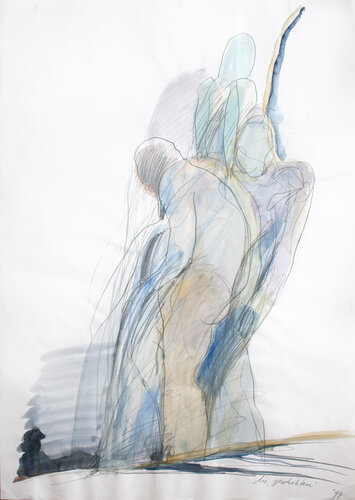
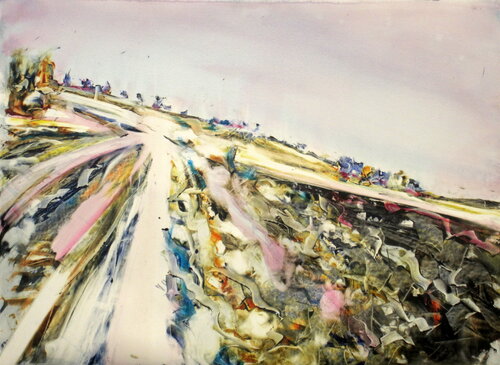
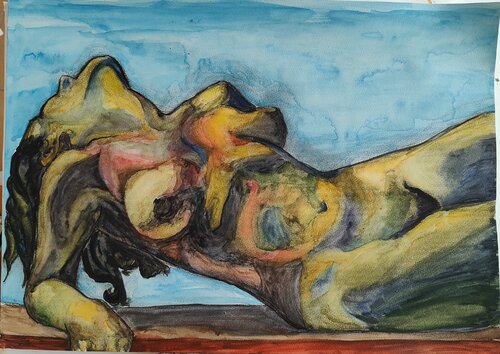
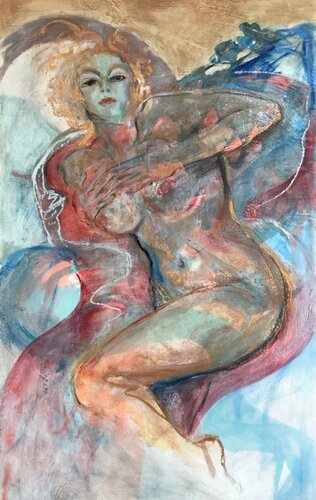
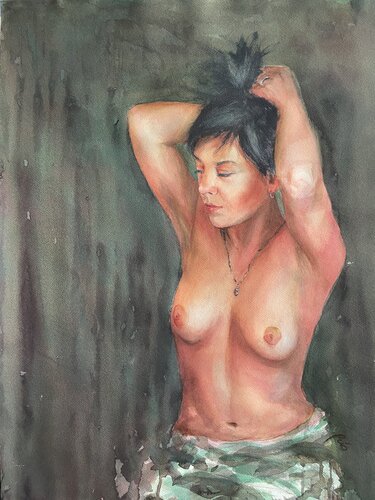
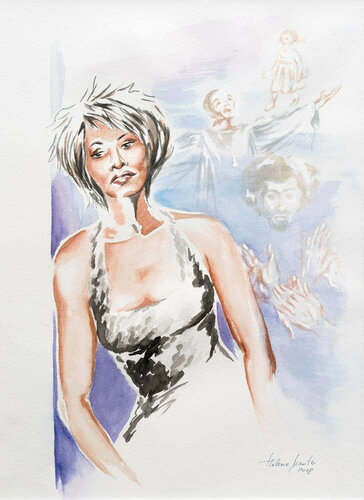
The traces of watercolor painting date back to the Egyptian and Byzantine periods where it was used for manuscript illustration. It emerged in the Renaissance when artists required a freer and quicker method of recording their observations; during this period, watercolor was established as a fine art medium and was no longer just a practical method of ornamentation or illustration.
In the latter half of the 18th century, the art of watercolor popularised in England the art of landscape and topographical watercolor where painters were able to copy the authenticity of the countryside. Later, artists such as William Turner took the method up and created great masterpieces with watercolor painting while depicting enviable themes and moods in the paintings.
However, in the 19th century watercolor painting became more established as a separate and valued type of graphic art with its exhibitions and societies. In the present time, it is praised for its value such as translucence and liquidity which provide the artists with the best platform to play around with.
Everything has its pros and cons. Even though watercolor is one of the most used techniques among artists, it's best to understand its strengths and drawbacks to master it!
- Strengths:
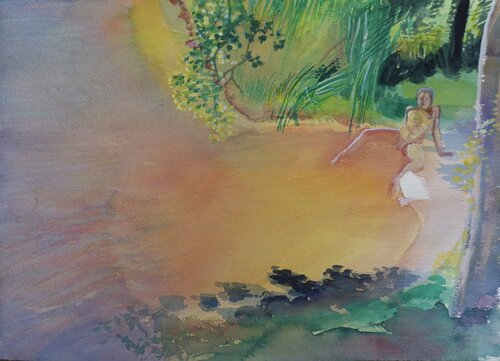
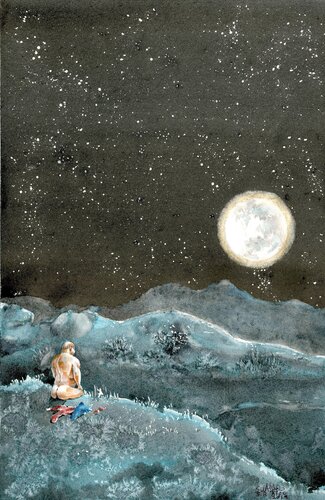
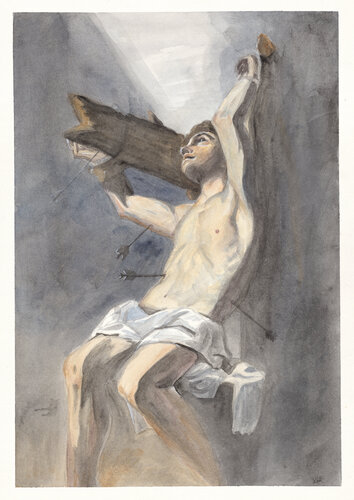
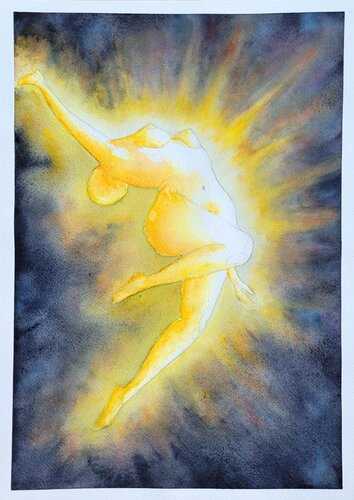
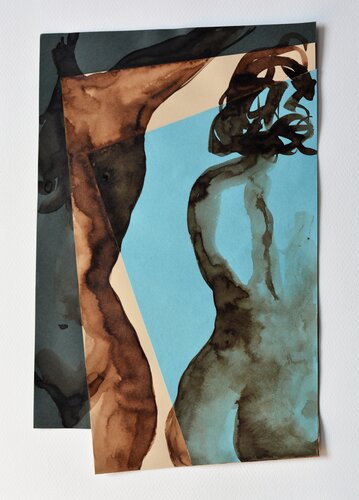
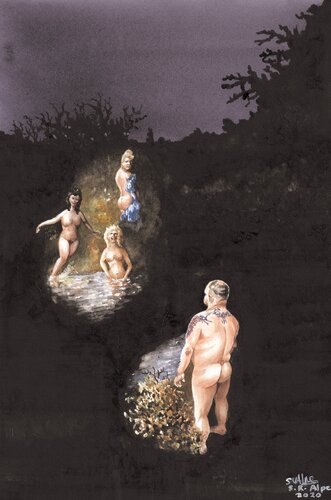
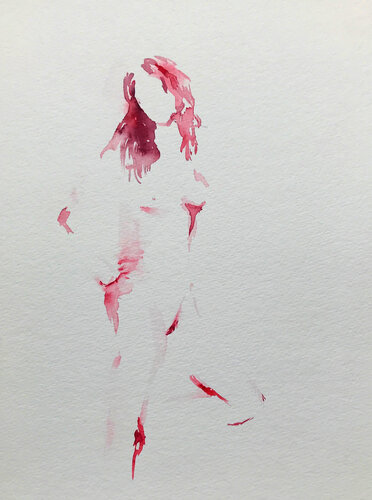
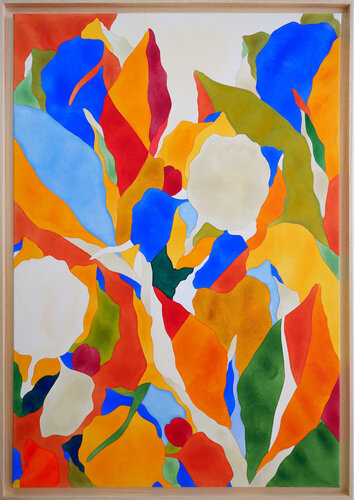
- Translucency: Lightness and luminosity are highly valued in watercolors. The opaque quality of the pigment enables reflected light to pass through the paper and the pigment to produce brilliant, luminescent colors.
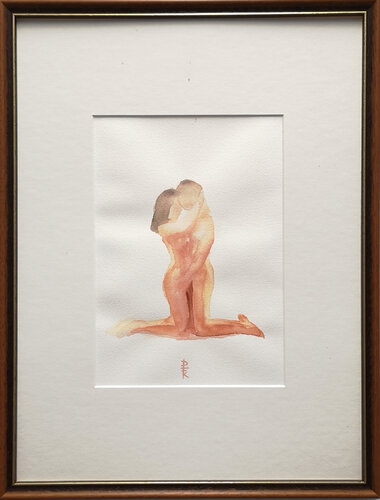
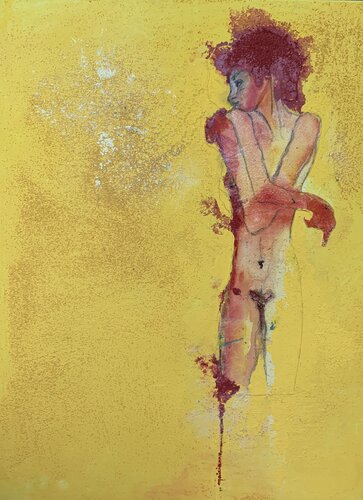
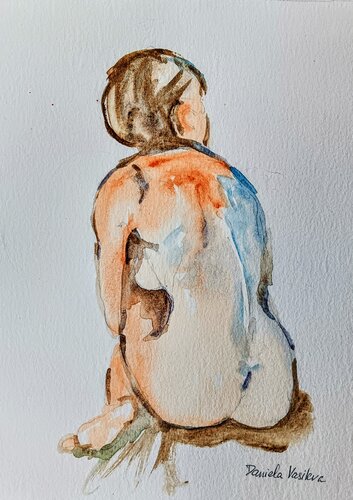
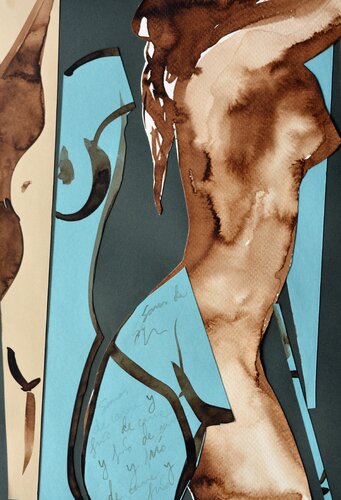
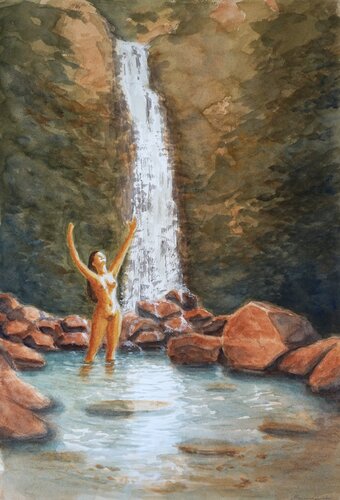
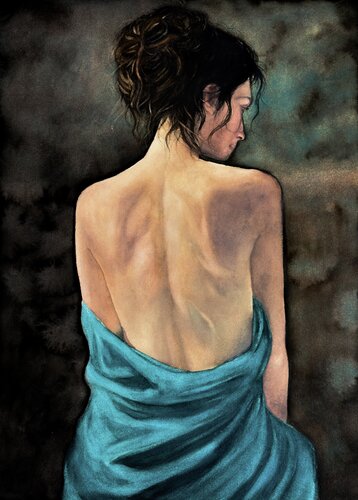
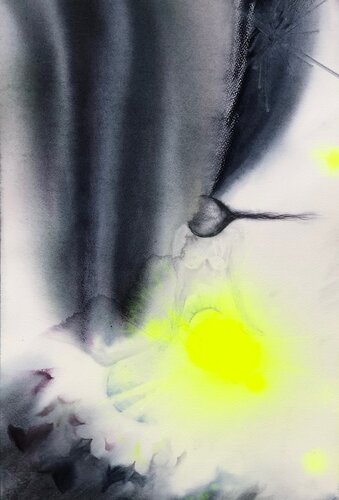
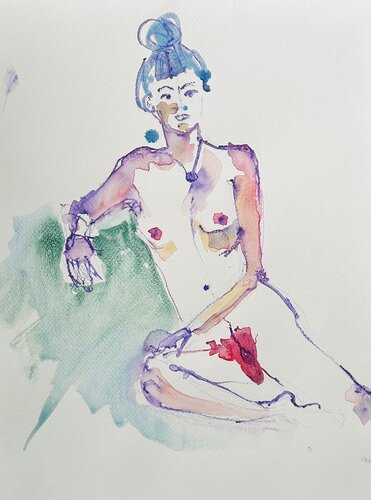
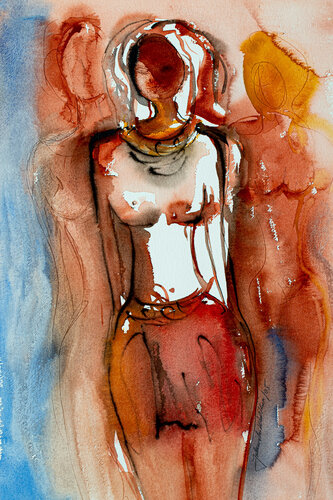
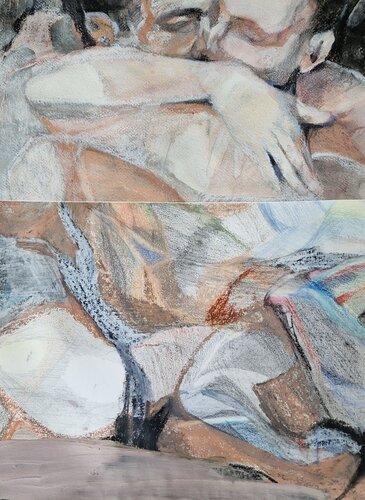
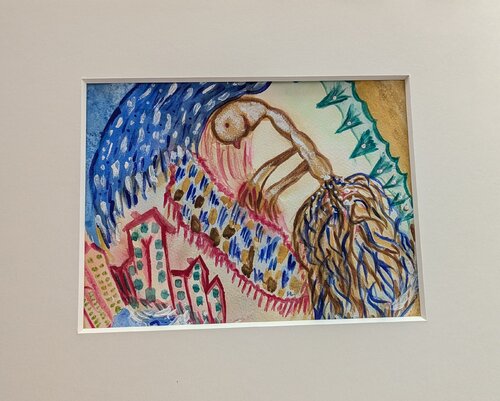
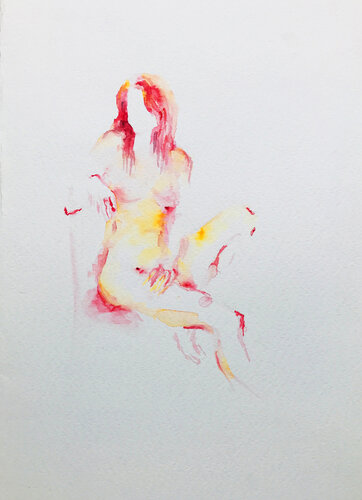
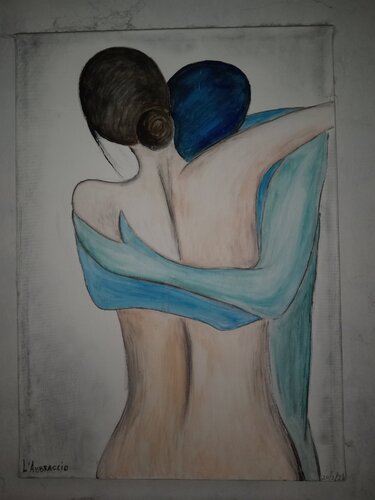
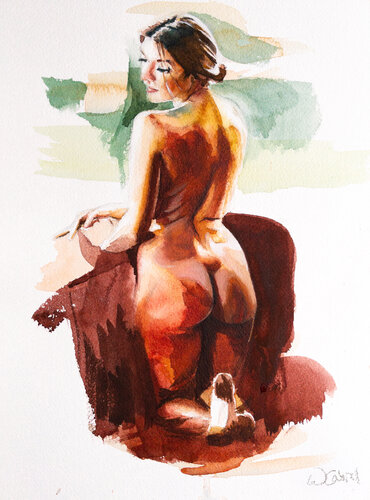
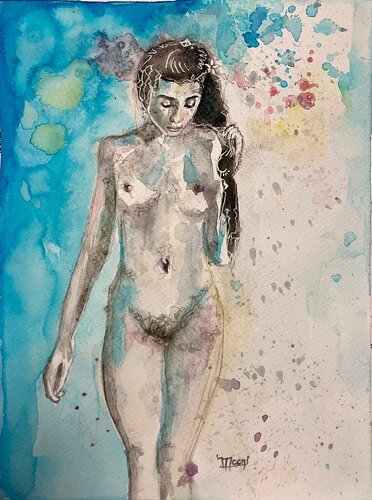
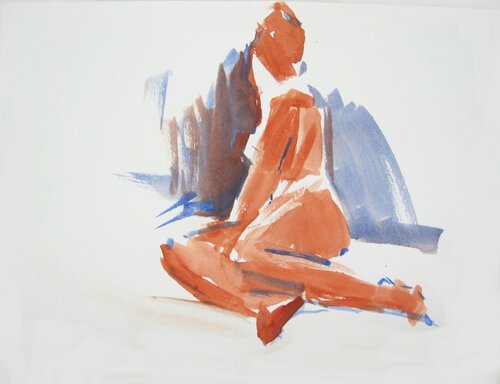
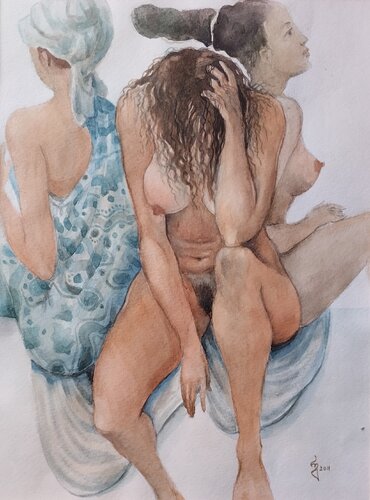
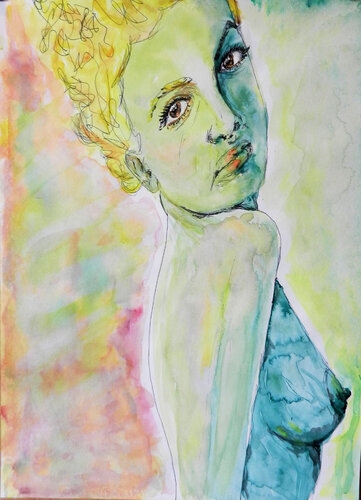
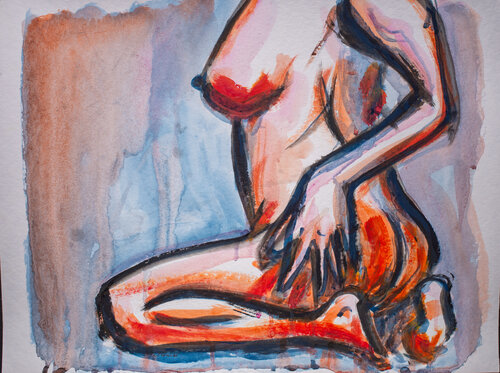
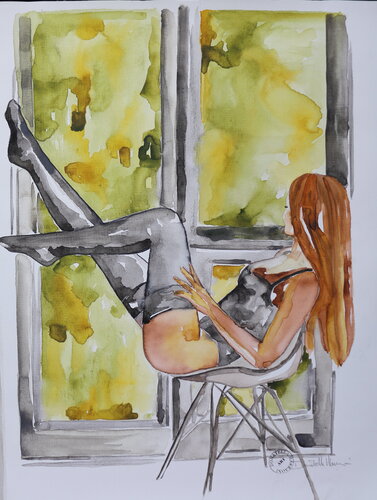
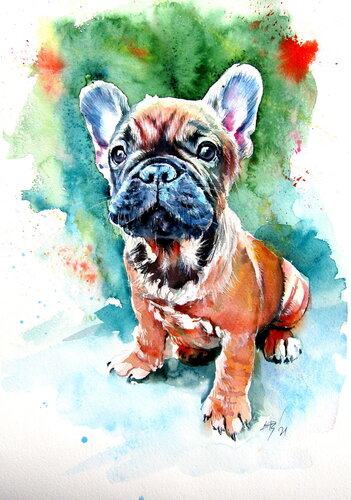
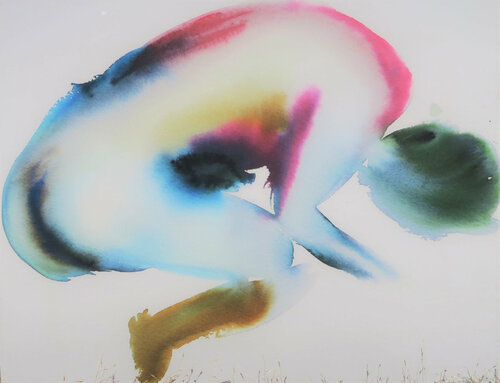
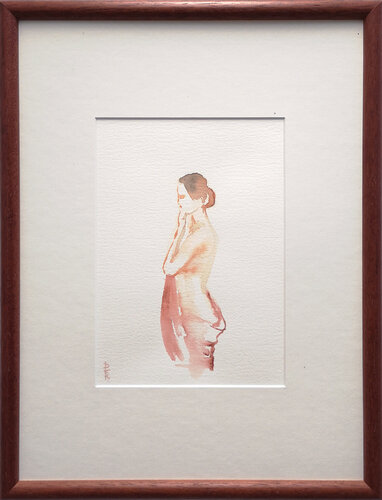
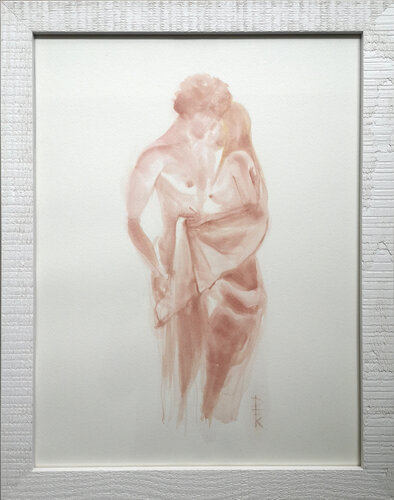
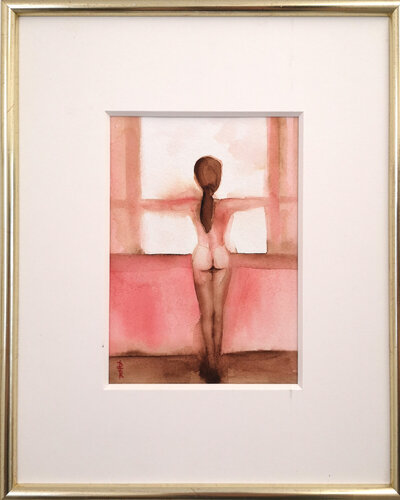
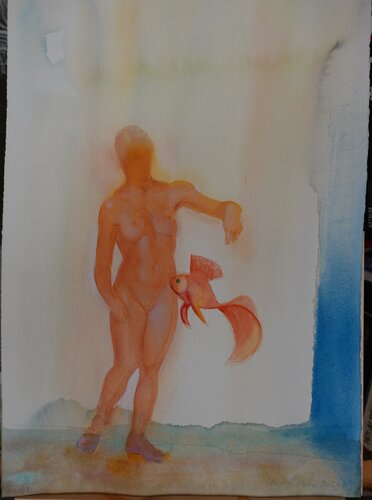
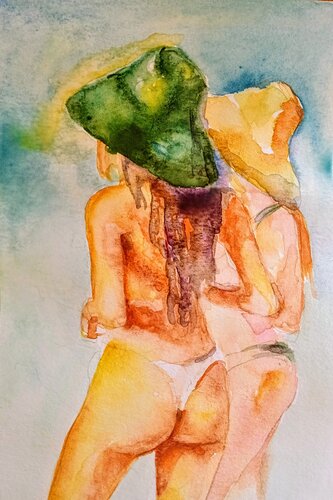
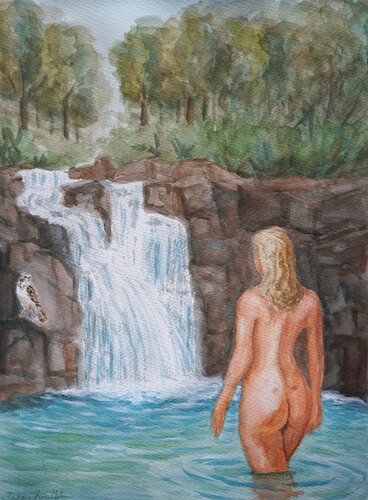
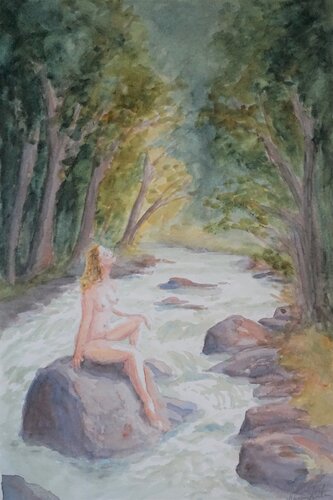
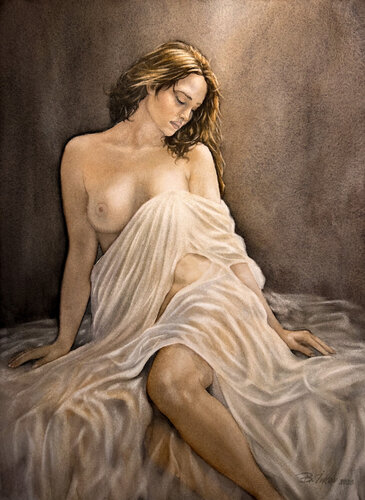
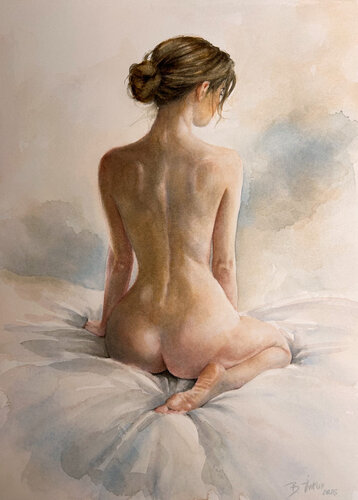
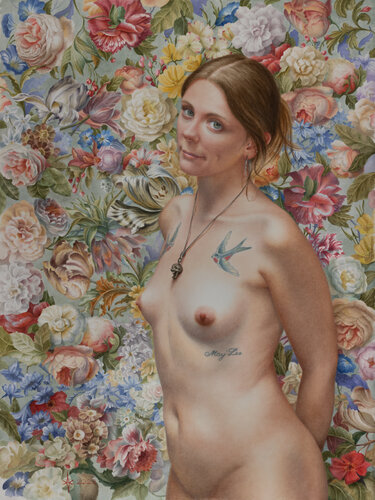
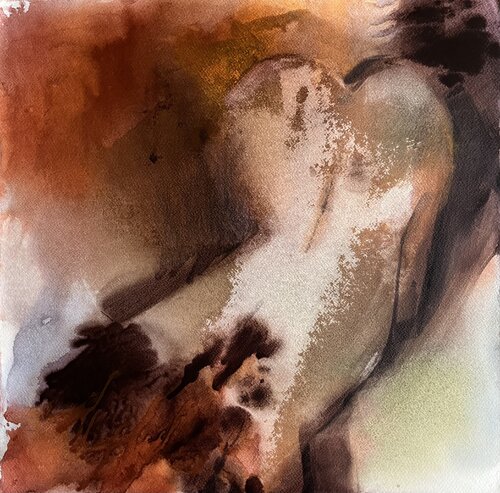
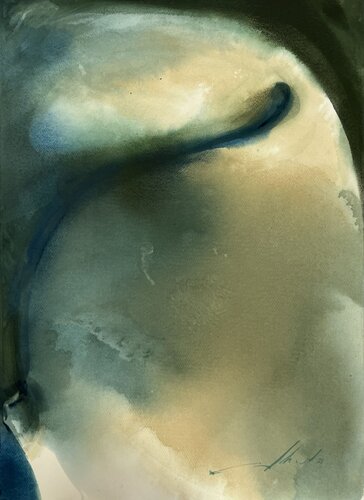
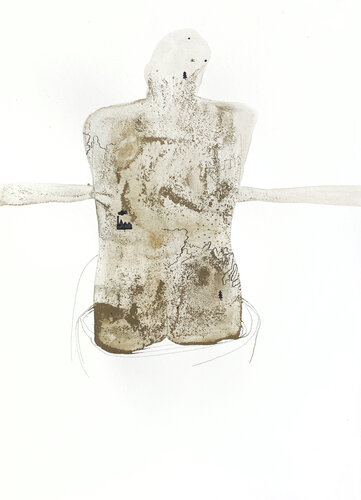
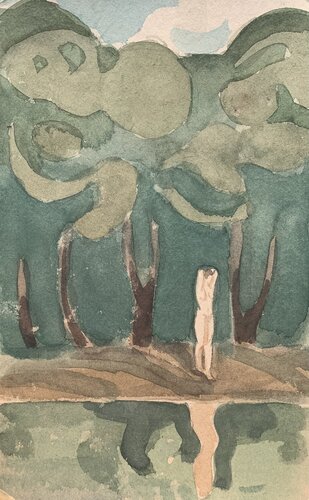
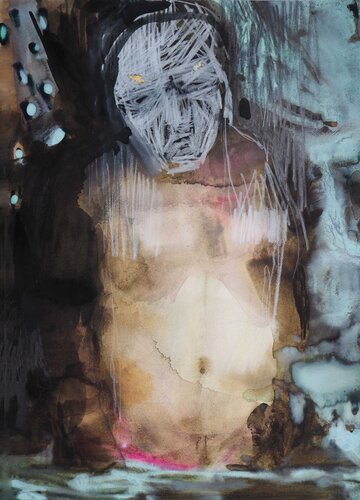
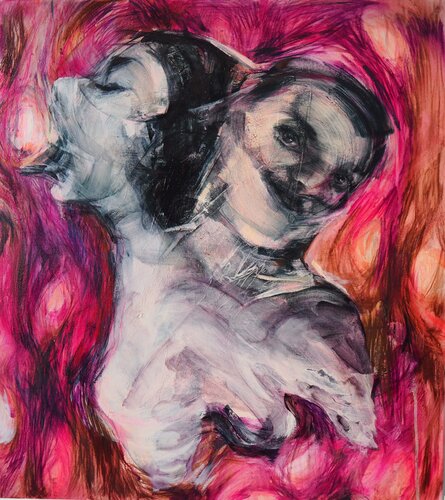
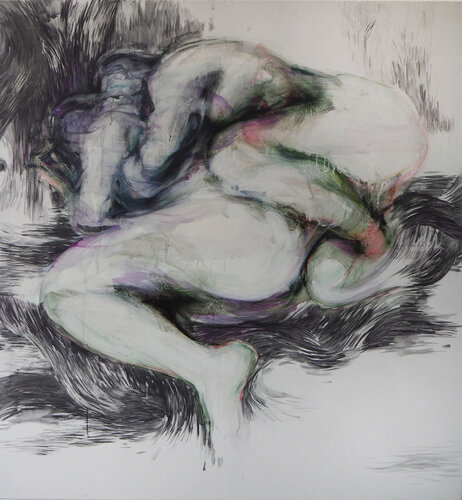
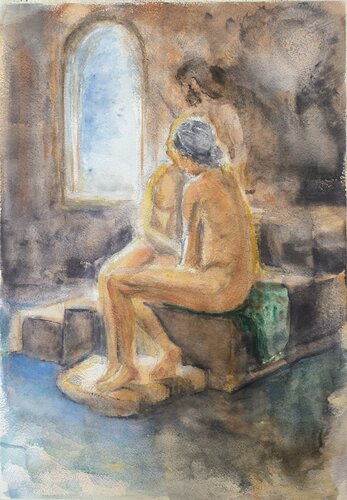
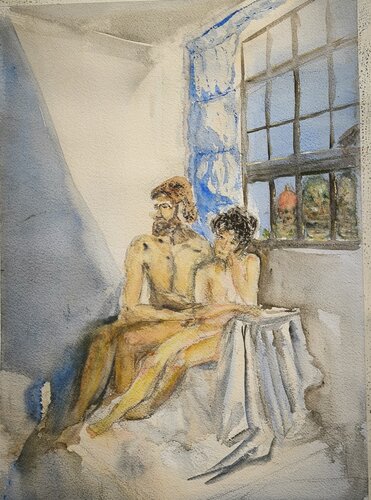
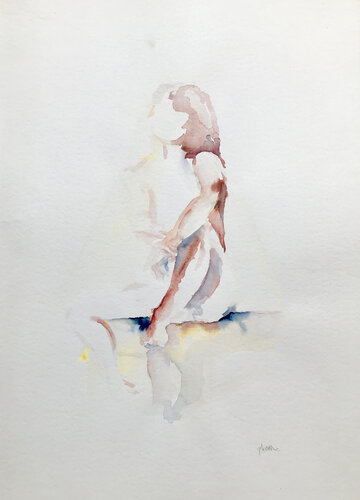
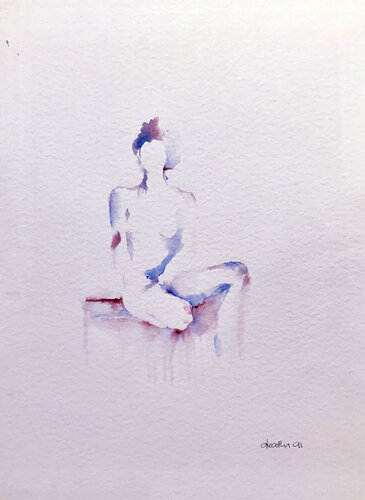
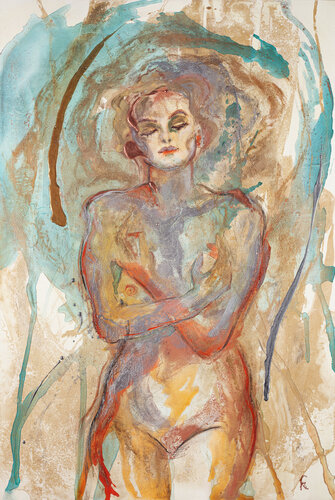
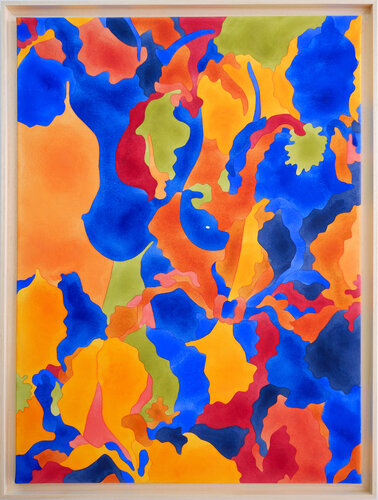
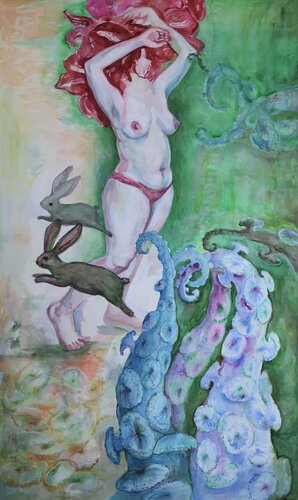
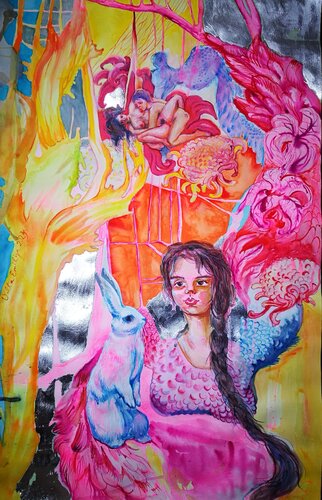
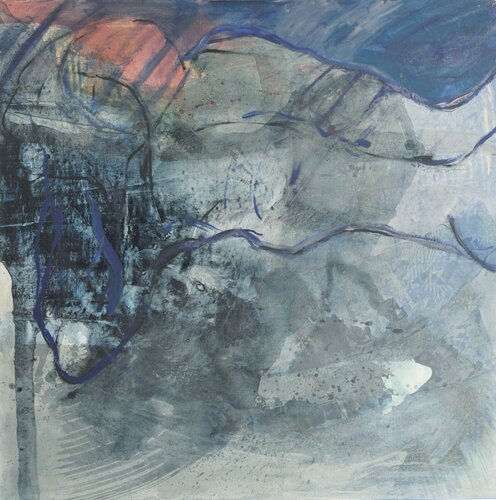
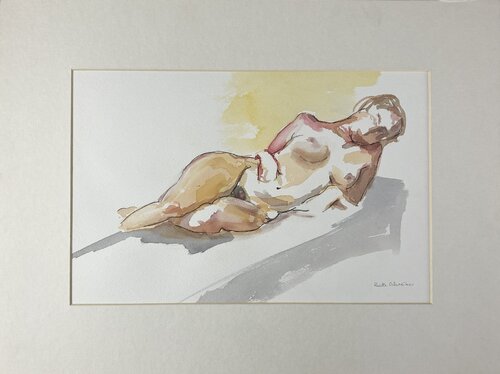
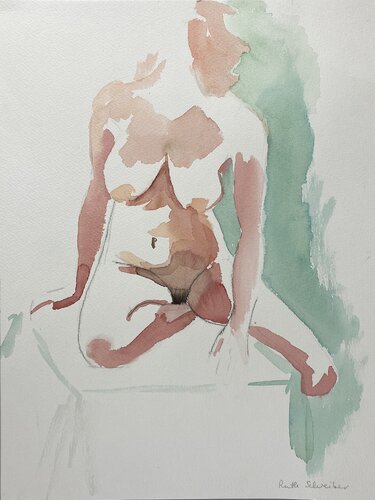
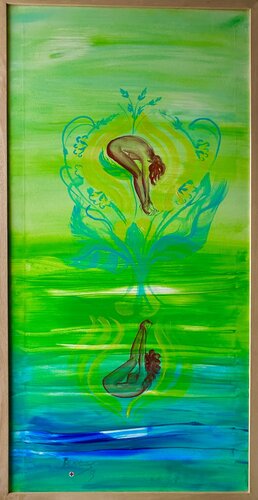
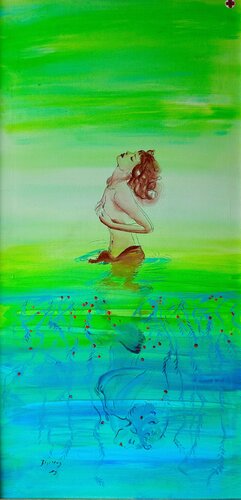
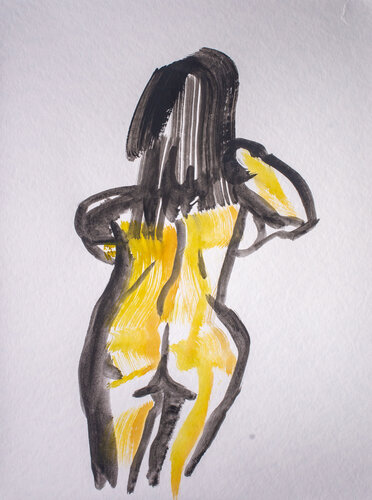
- Blendability: Watercolor is especially suitable for smooth transitions or blending as seen in the artwork above. This can create delicate changes of tone which are difficult to achieve in other kinds of art media.
- Portability: Watercolor materials are more transportable and require less preparation and cleanup in comparison to oil and acrylics which are suitable for en plein air and traveling.
- Drawbacks:
- Control: The most significant weakness is that the watercolor is flexible, meaning that if the artist makes a mistake, it is almost impossible to fix the error without compromising the paper.
- Predictability: Watercolor is very capricious. The behaviour of colours, for instance how they blend on the paper or how they come out once dried is not always as expected.
- Permanence: It deteriorates more than oil or acrylic paints and is sensitive to direct sunlight which may make the watercolor fade with time. Framing behind glass which has UV protection must also be correct so as to protect the artwork.
However, it is widely used by many artists because of its flexibility and the fact that it allows creating very delicate and rather impressionistic pictures.
Many artists have become famous because of the capability of using watercolor, each of them possessing their own characteristics.
J. M. W. Turner is one of the most renowned painters characterized by his ability to express light and color with great intensity. His techniques were unconventional and they helped him to show that more could be done with watercolor.
Another prominent watercolorist is
Winslow Homer, who is particularly associated with the vigorous and realistic depiction of the American scene. Some of his works painted life by the sea and hardy spirits of people who embodied the harshness of nature. He was known for his exquisite management of light and delicate brush strokes to depict even the finest details of both figures and the environment.
Georgia O’Keeffe also produced watercolor paintings during her initial years and created a series of abstract paintings which became a significant phase in her artistic progression.
Some of these artists have included the following, among others in influencing the development of watercolor painting, though they came with unique voices and visions.