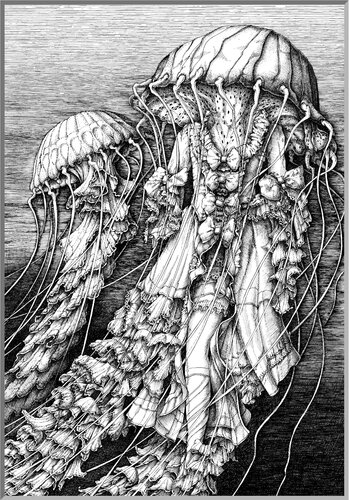
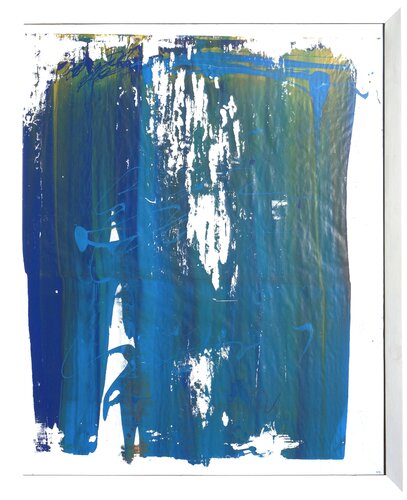
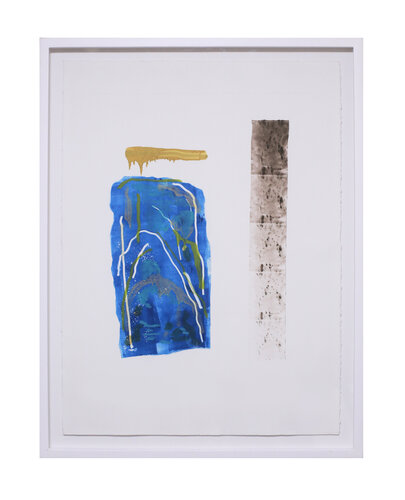
Some particular types of printmaking are more notable for their peculiarities and their roles in art history. Every type has its pros as far as the looks are concerned and the level of difficulty when it comes to implementation.
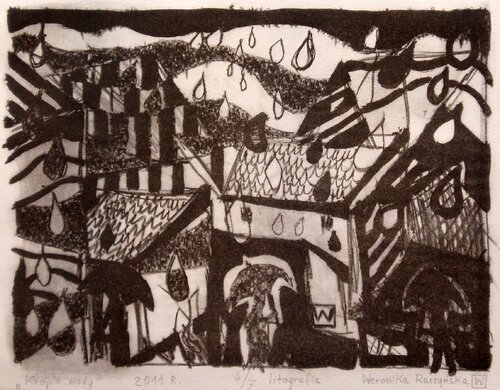
- Lithography: Lithography was invented in 1796 and is a technique in which an image is drawn on a flat stone that has been prepared with a fatty substance. The prints are made through the process of putting ink on the stone and placing paper on it. This method is preferred since it can capture the spontaneity of the artist's hand.
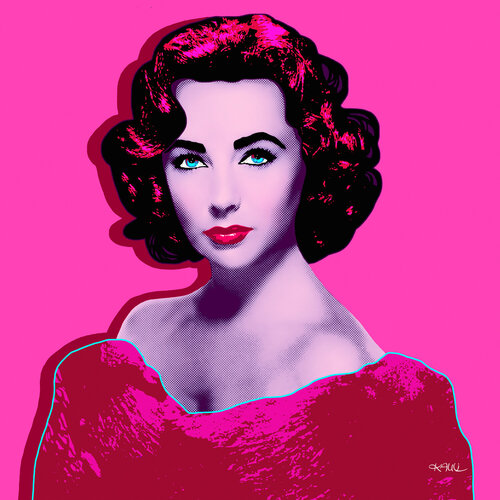
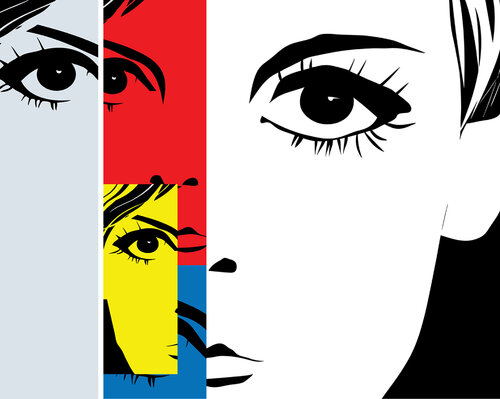
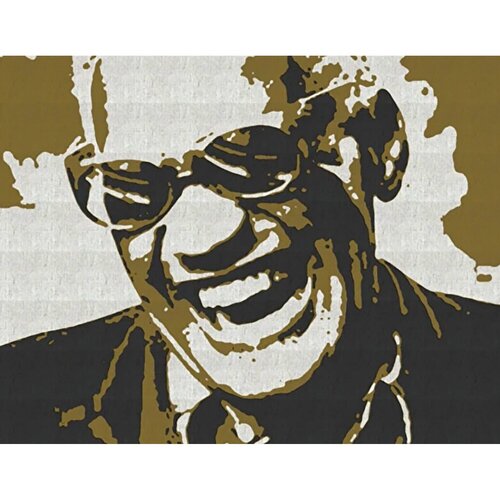
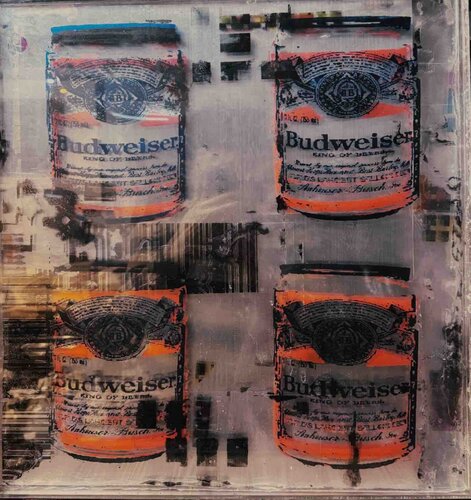
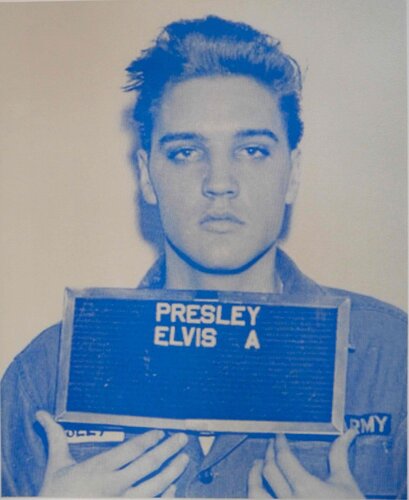
- Screen Printing (Serigraphy): Screen printing, also known as serigraphy was mostly used in the 20th century during the pop art age of Warhol among others, involves pushing ink through a mesh stencil. It is colorful and is ideal for manufacturing on a large scale.
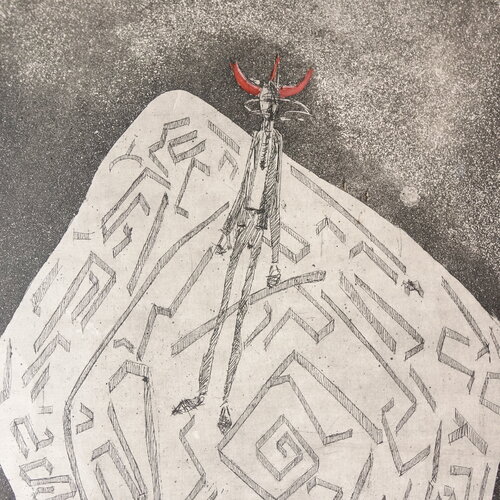
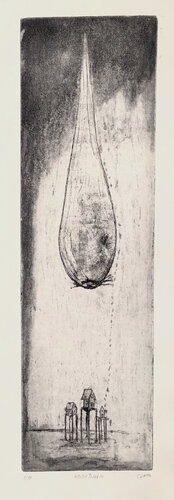
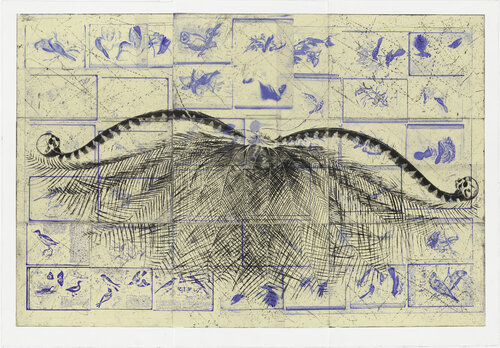
- Etching: Dating back to the 16th century, etching is a method of using acid to cut into the surface of a metal plate. After writing, the plate is rolled on paper; thus, it is ideal for producing fine lines and images on paper.
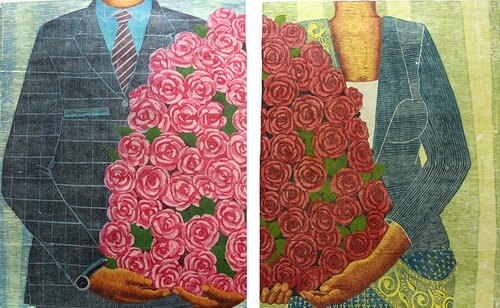
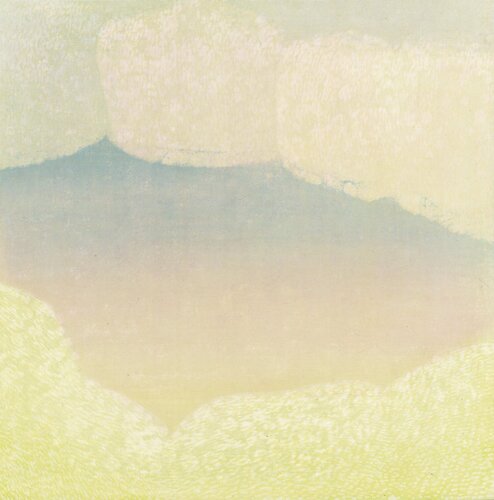
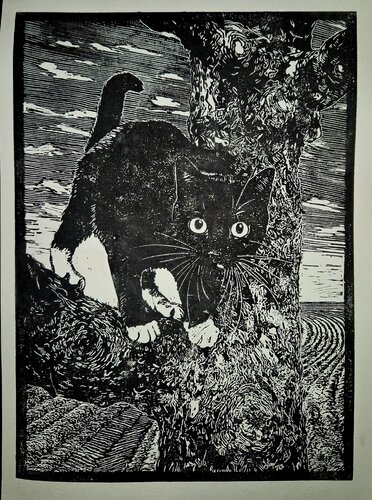
- Woodcut: Among the earliest forms of printmaking, woodcut involves carving an image on the wood so that the lines to be printed are most prominent. It produces sharp and clear contrasts and can be traced back to the early works of art in the east and the west.
- Giclée: A modern print type which employs the inkjet technique, giclée enables producing digital copies of digital art works or reproductions of artistic paintings. It is valued for its ability to archive colours with high accuracy and detail.
These various approaches in the process of printing have enriched artistic practice as they introduced new facets, layers, and values to the field of fine art.
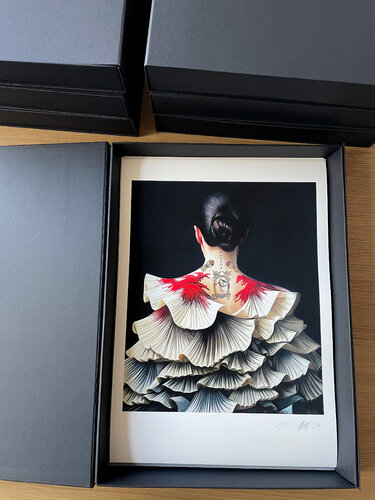
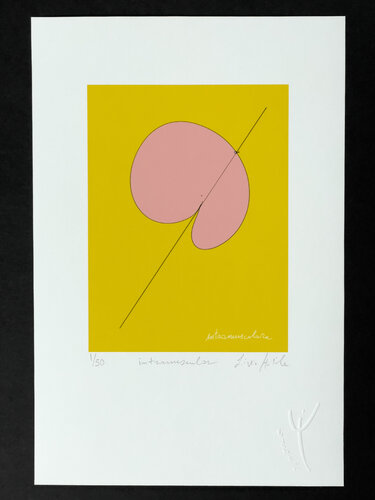
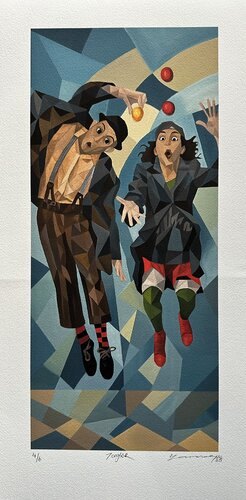
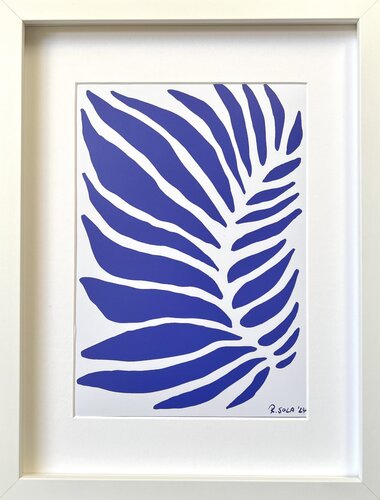
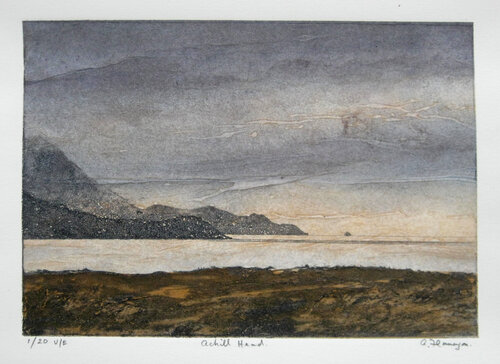
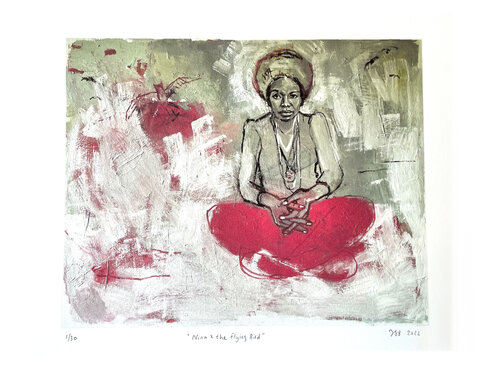
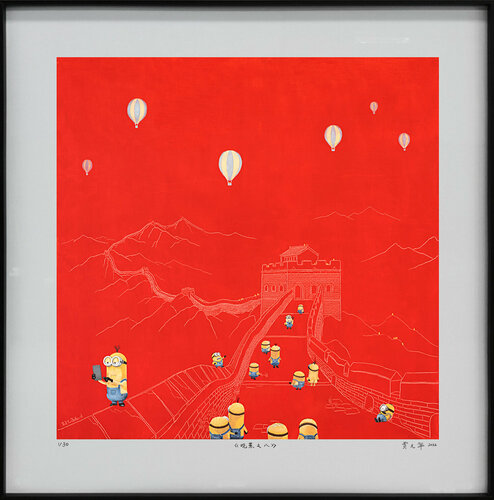
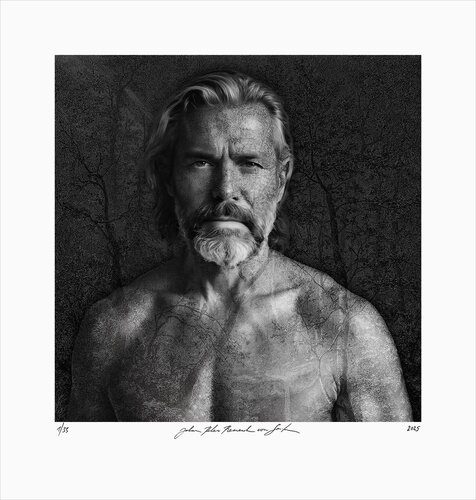
According to art context and practice, an edition is a set of reproductions of the same artwork from one matrix, which is generally printed in small quantities strictly controlling the availability of the artwork. In an edition, each work is similar and is often marked with a number showing its position in sequence. For instance, a print with the inscription ‘1/50’ means that it is the first in a series of fifty physically similar prints.
This is especially popular in printmaking techniques like
lithography, etching,
screen printing, and digital replicas or
giclée prints. The practice helps artists increase the number of copies of a work they can sell to the public without compromising on the quality and uniqueness of the art. In some cases, the plates, screens, or stones that are used for creating new prints are removed or modified in such a way that no more prints can be produced to maintain the value of the limited edition.
This method does not only make art more affordable but also contributes to the collectibility of the prints since it will be hard to find many of them hence making them more valuable as time passes by.
Contemporary art prints have played a major role in defining what today's art market looks like, with pieces from some of the greatest artists in the modern art era. Nowadays, it would be impossible to speak about modern art prints without mentioning
Andy Warhol, one of the leading personalities associated with this kind of art who has created such masterpieces as "
Marilyn Diptych (1962)" and "Campbell’s Soup Cans (1962)" employed in silkscreen technique.
Roy Lichtenstein also did not miss it; he copied, a graphic style from the strips of popular comics. Some of his famous pieces include "
Whaam! (1963)" and "Drowning Girl (1963)"; these works embrace Pop Art where he employs commercial printing to parody cultural commodities.
Another icon who pioneered change is
Robert Rauschenberg, whose “Combines” merged non-traditional material and print media. His solvent transfer techniques of the paintings and photographs moving into a new form of printmaking showed the full potential of it as an art form.
These artists among others used printmaking to question the conventional art forms to produce art pieces that not only mirrored but informed culture at any given time thus affirming their position in the modern art fraternity.