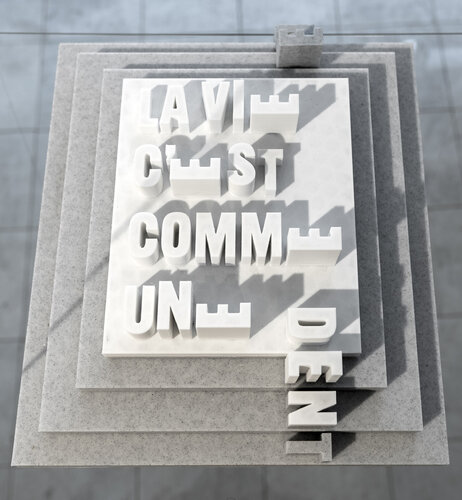
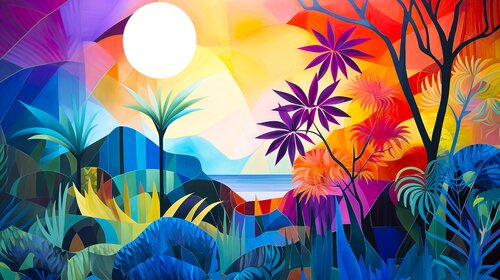
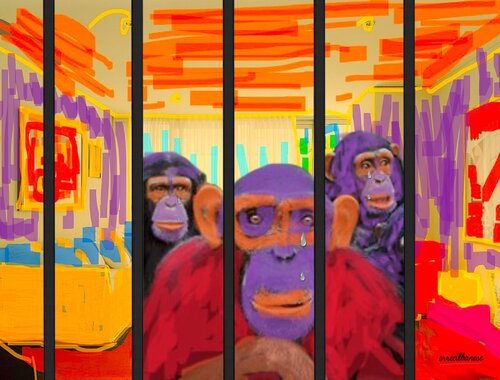
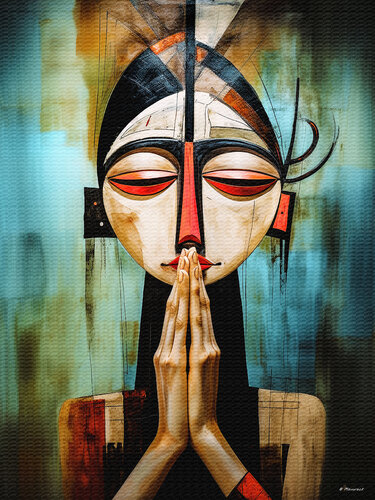
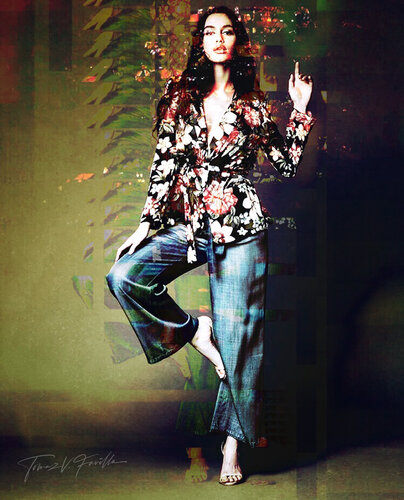
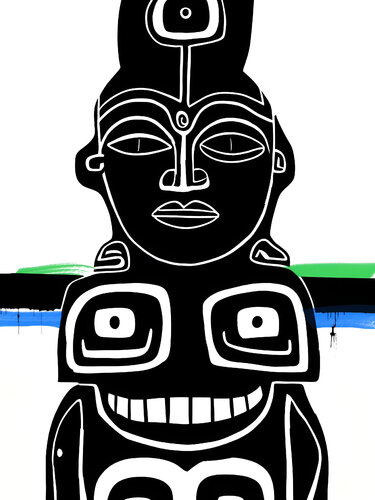
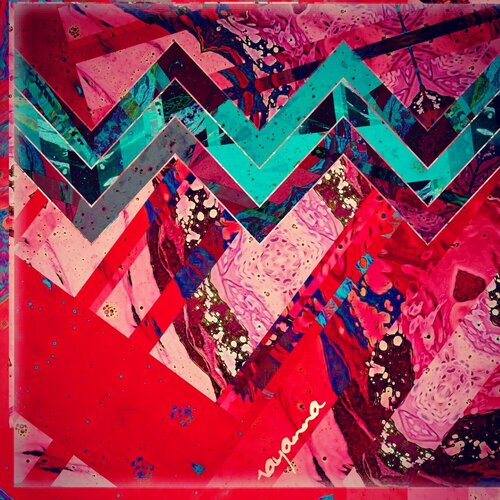
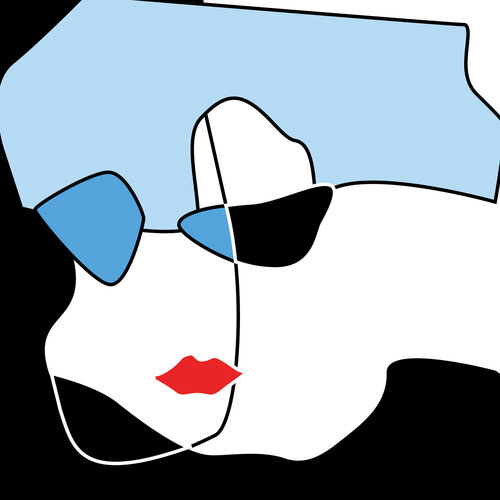
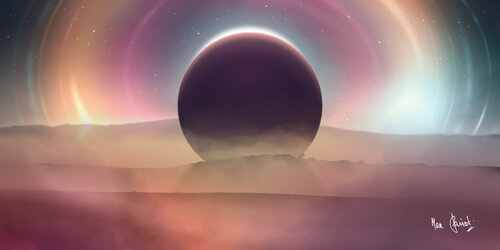
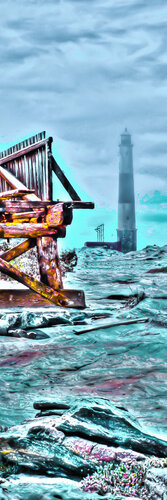
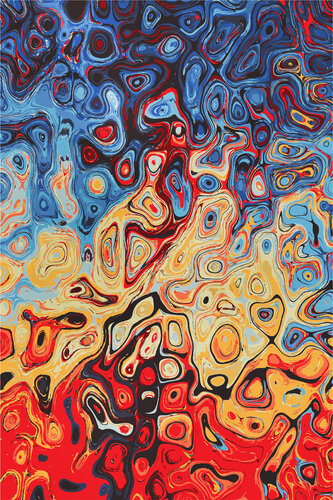
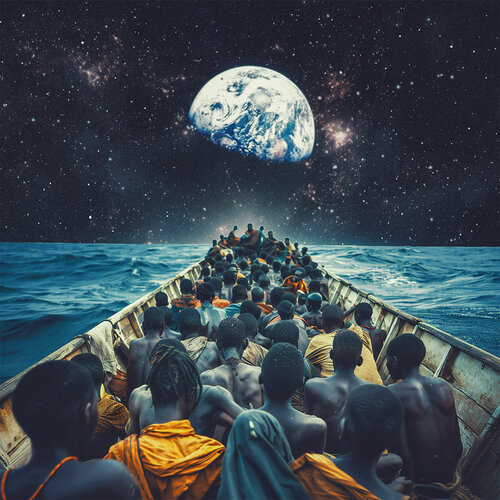
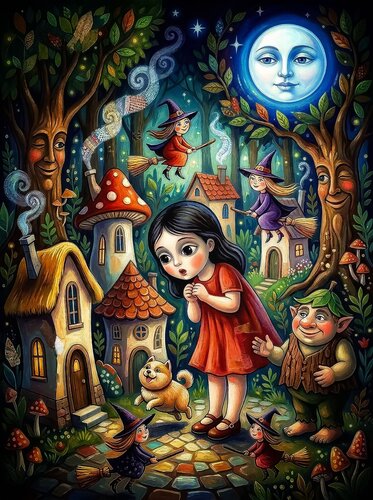
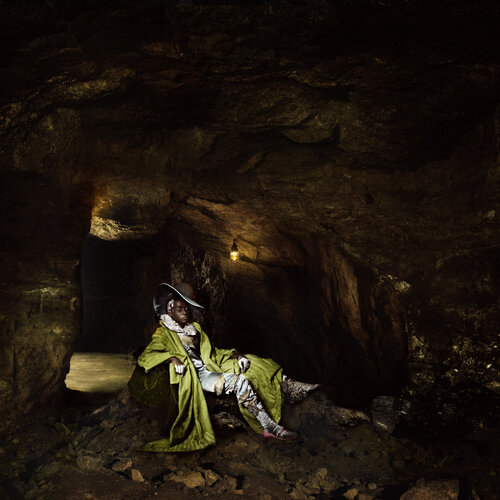
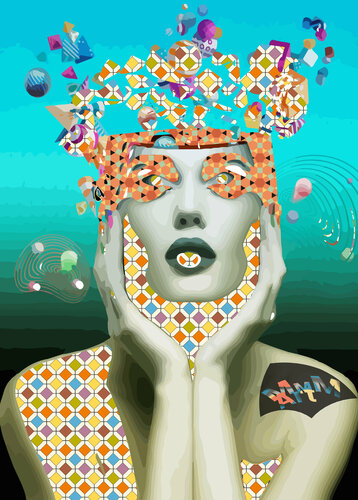
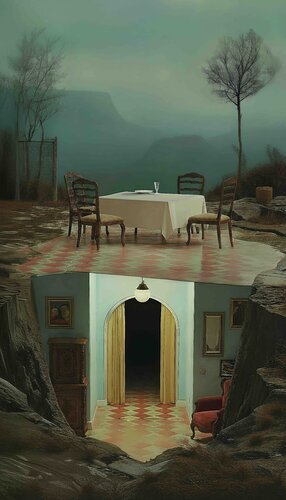
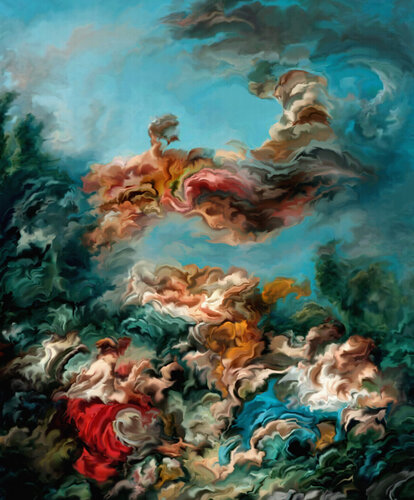
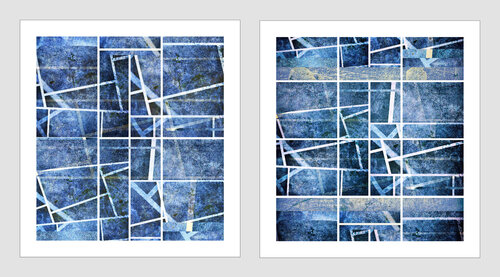
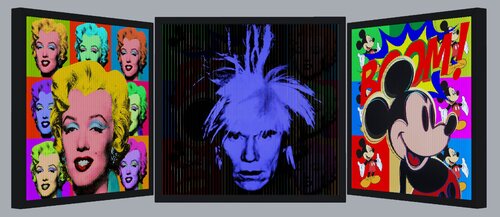
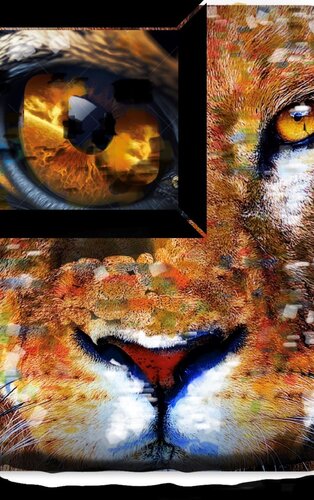
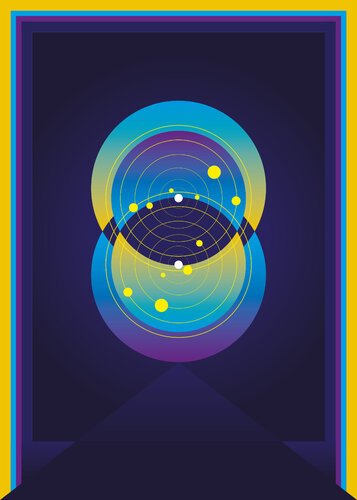
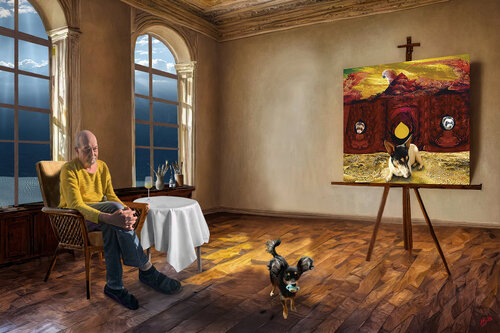
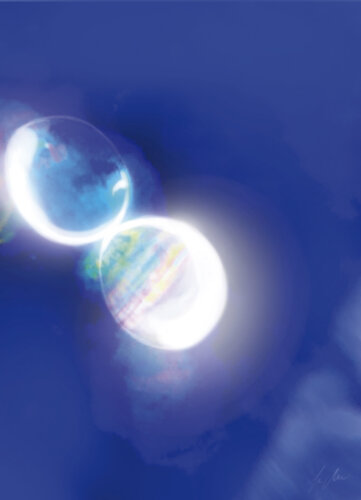
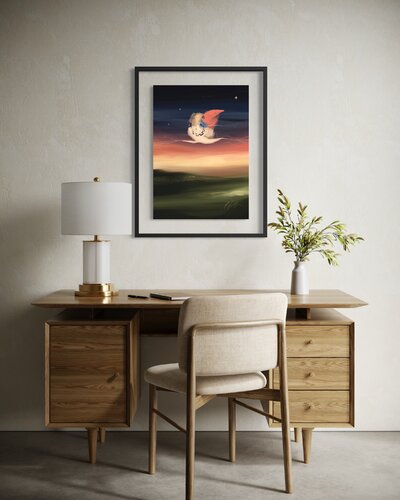
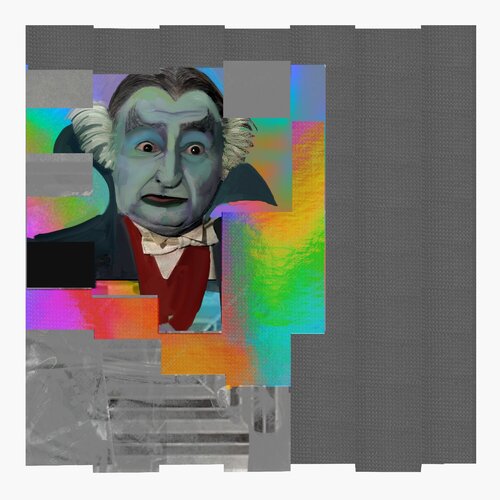
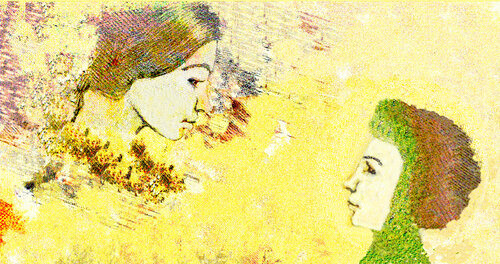
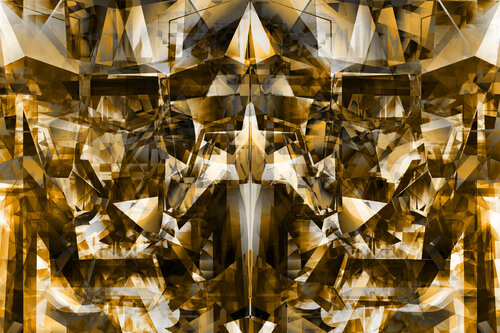
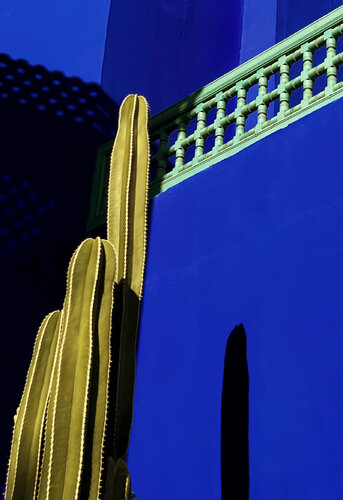
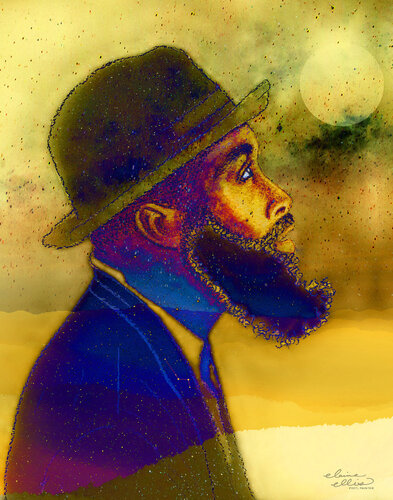
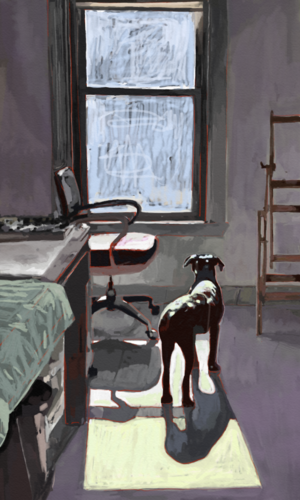
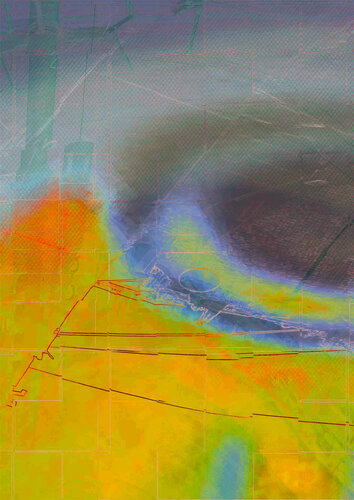
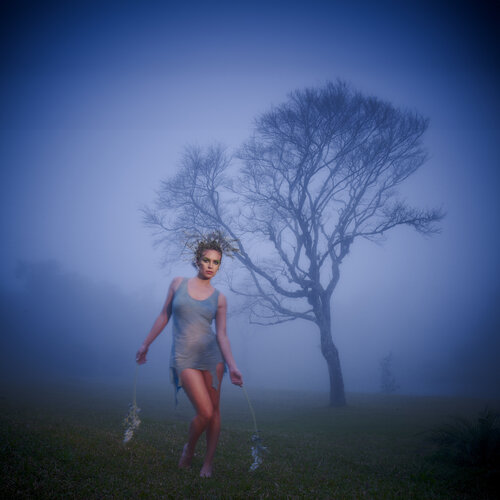
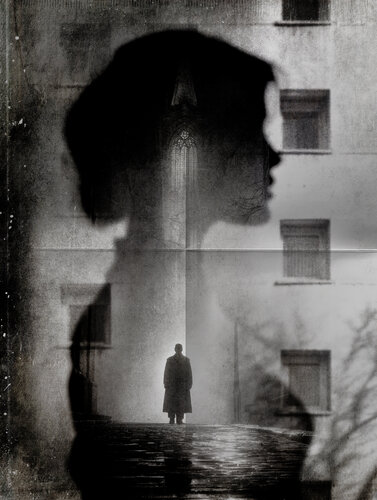
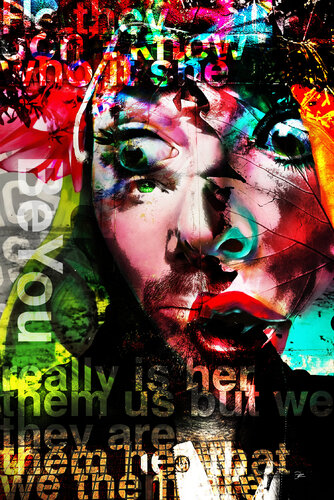
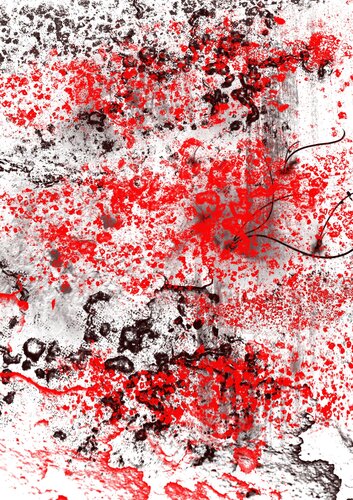
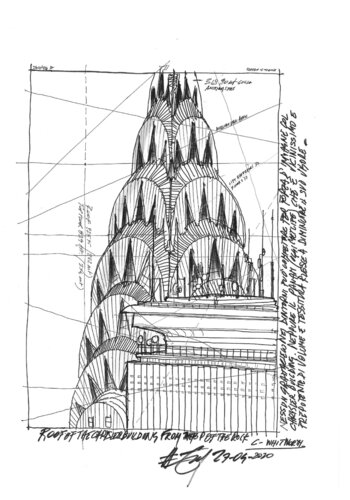
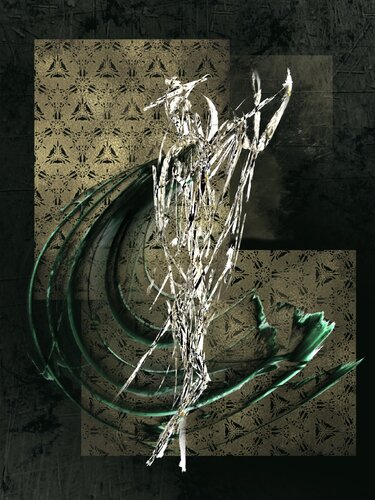
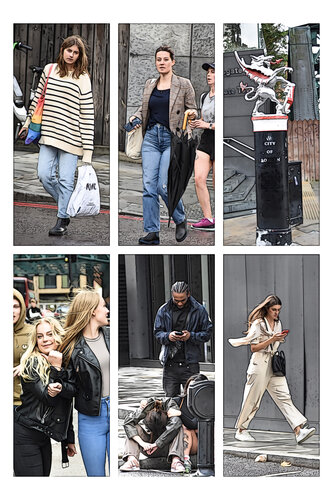
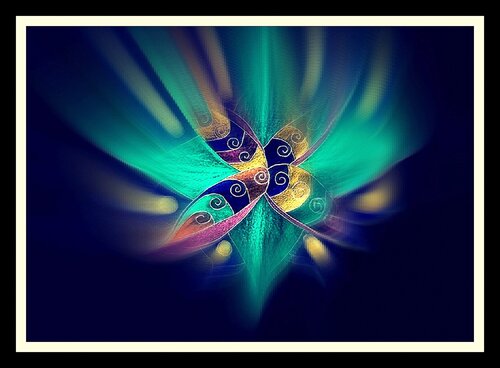
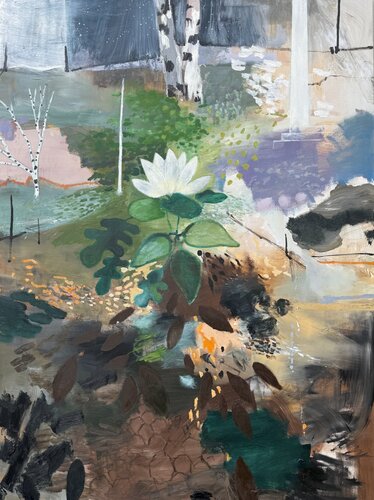
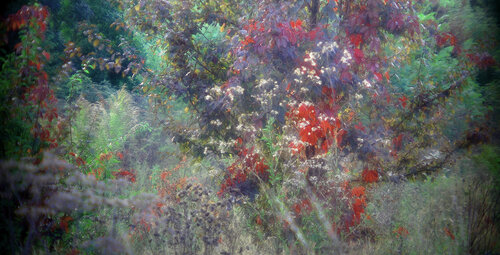
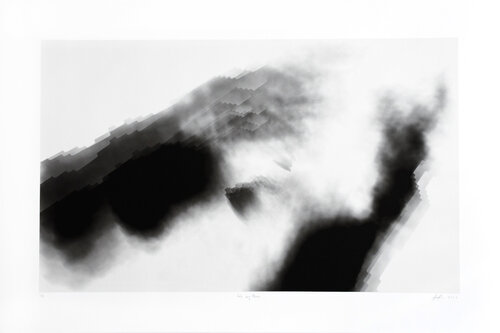
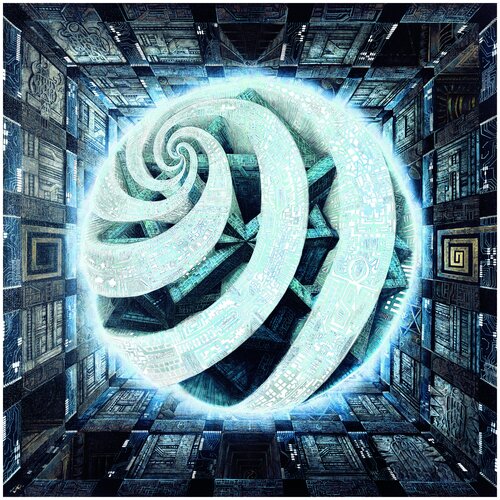
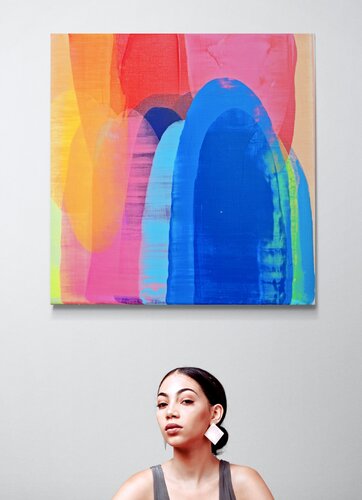
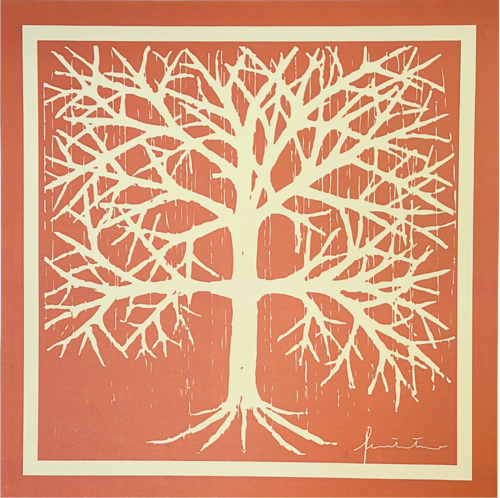
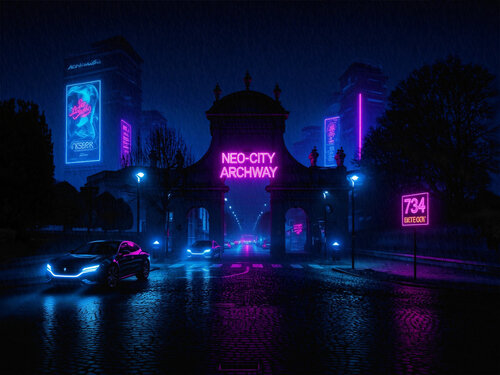
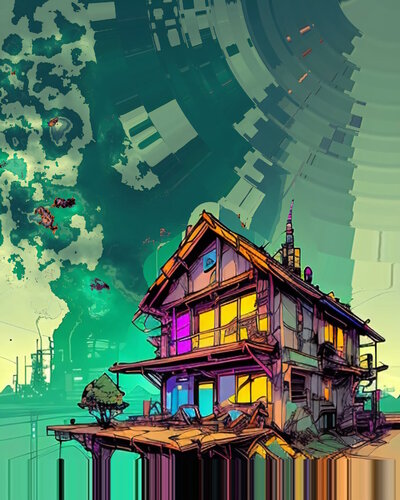
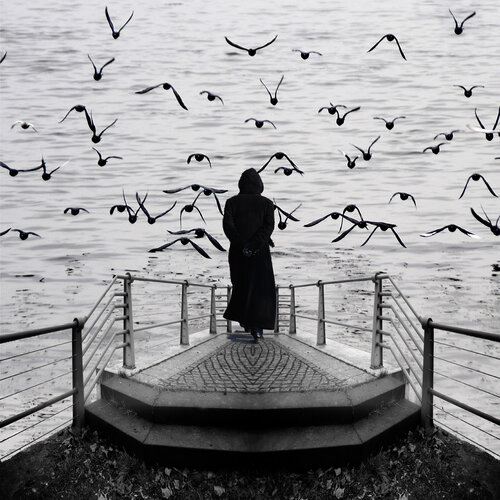
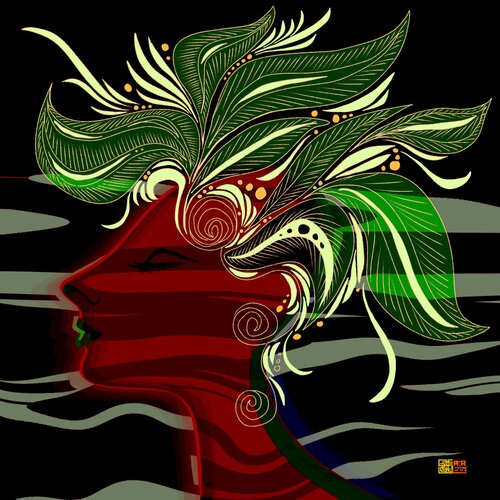
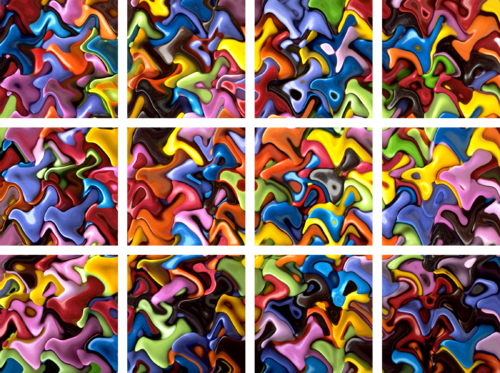
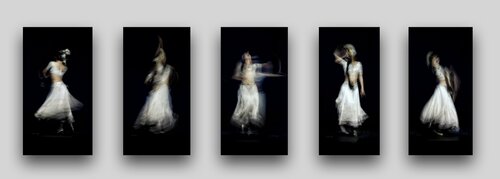
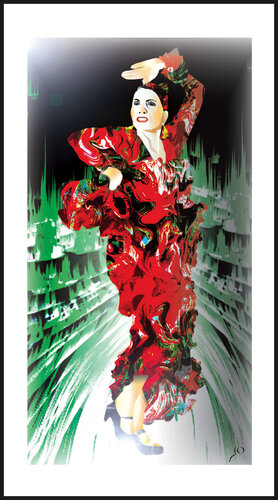
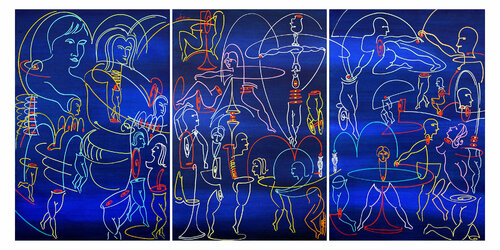
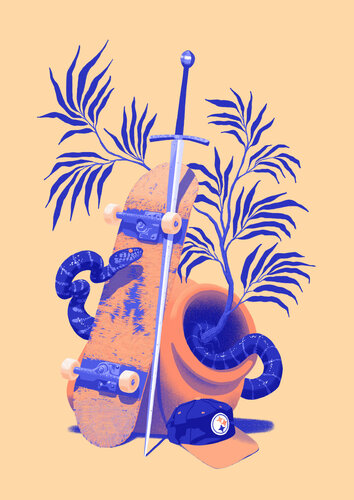
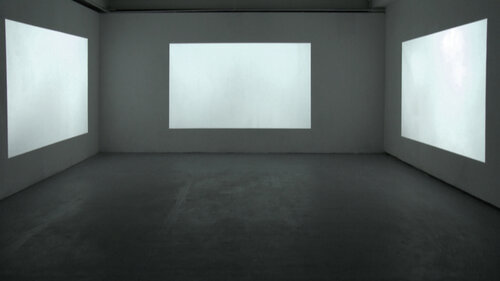
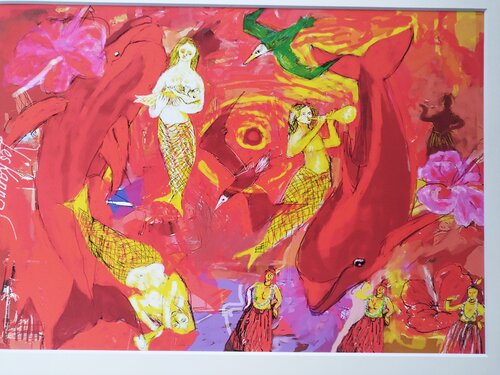
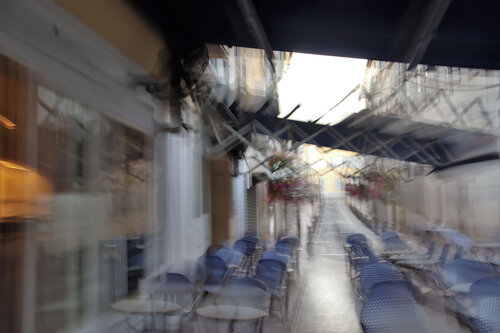
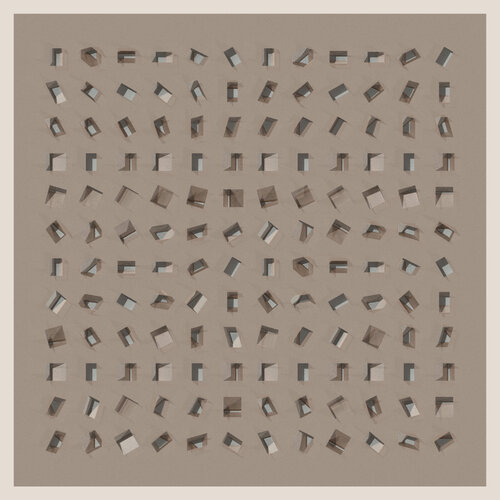
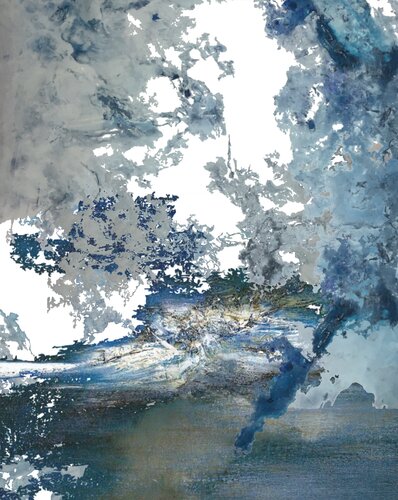
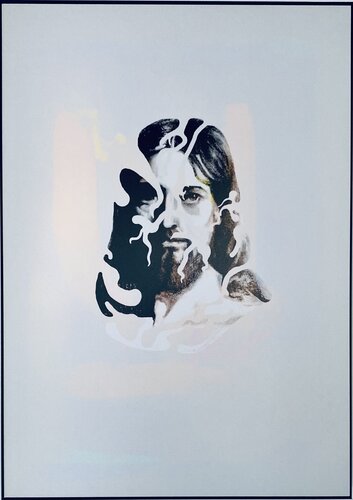
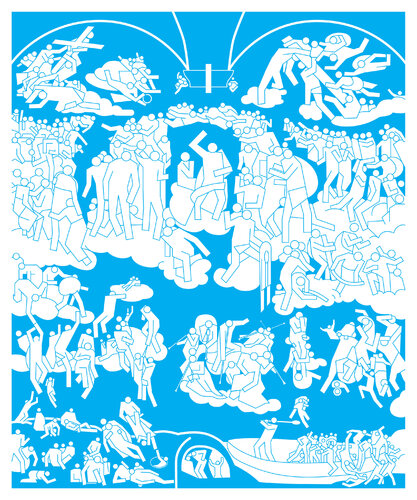
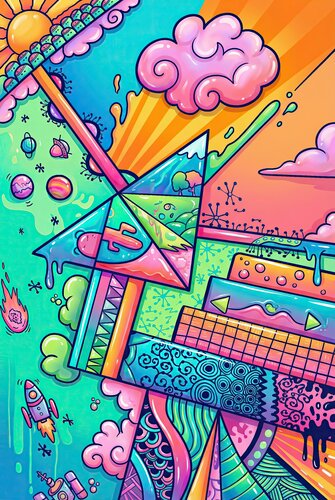
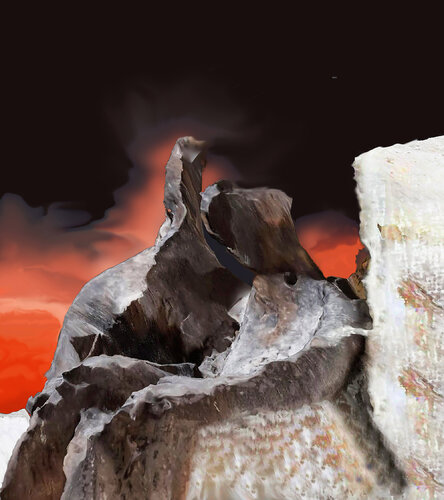
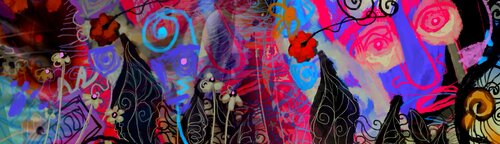
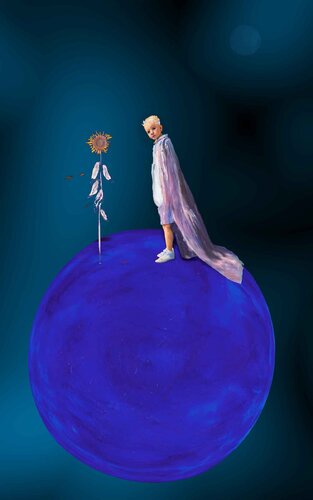
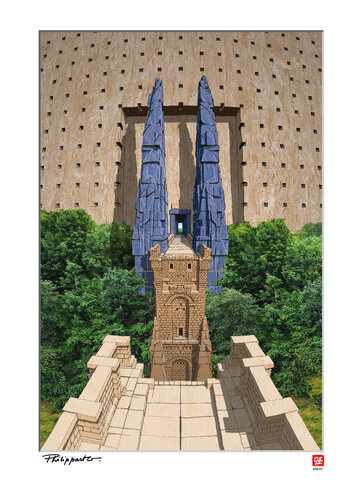
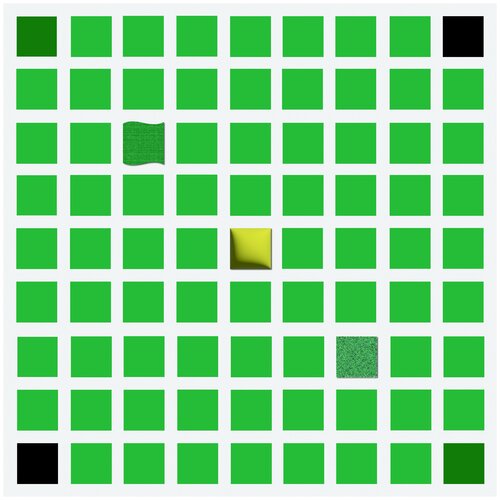
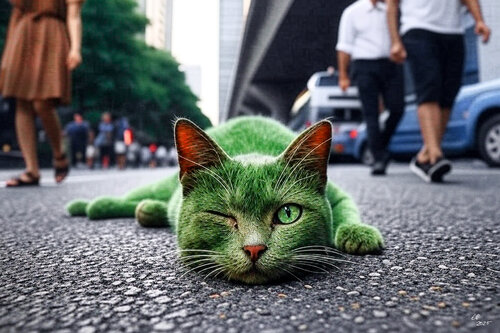
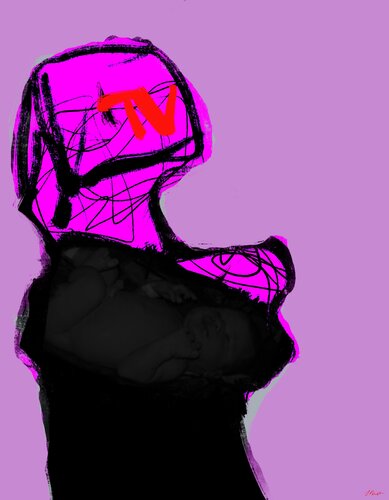
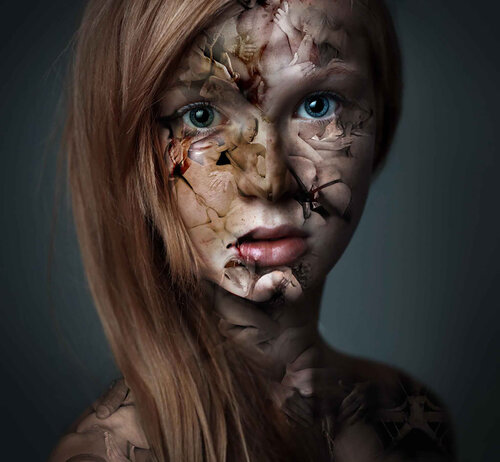
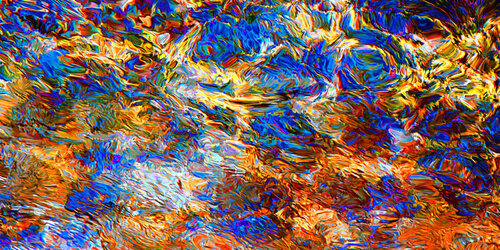
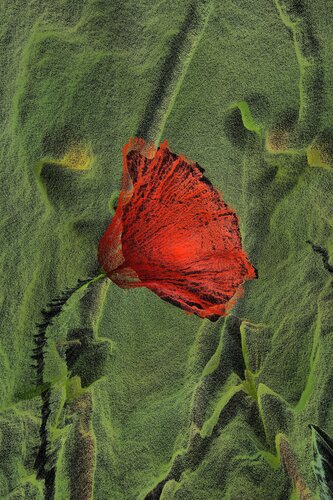
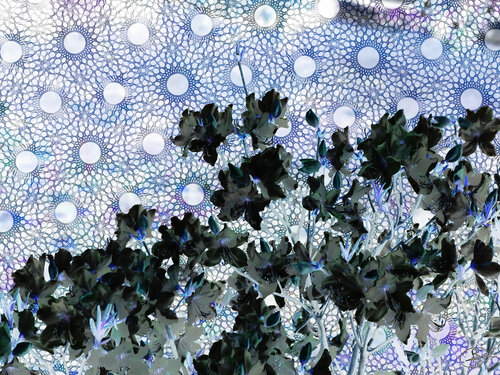
Digital art is a relatively young kind of art that incorporates the use of digital technologies as a means of either creation or display. This form of art has been around since the 1970s and it has developed into many forms including digital paintings, modeling, and installation art. Artists employ technologies like computers, tablets, and software solutions to make pieces that are entirely digital or combined with traditional forms of art.
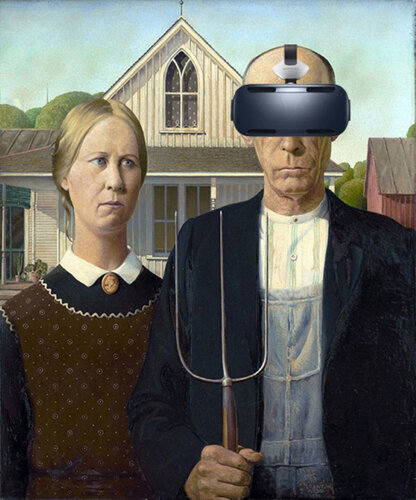
It is a remarkably free form and there is a virtually endless potential for arriving at characteristic shapes, colors, and surfaces. Digital art can be in motion, responsive, and might contain elements of motion that set it apart from standard art. It has also introduced a generation of new media art and new forms of art such as virtual reality art, net art, and algorithmic art that has further extended the definitions of art.
The use of digital technology in the art world has greatly influenced the art environment offering new art forms and definitions, techniques, and media. New media art has made art-making accessible to the general public and doesn’t require institutional endorsement from art galleries or art museums. Technological tools such as digital painting software, 3D modeling tools, and virtual reality technologies enable artists to build experiences that were impossible before, expanding the realm of imagination.
Furthermore, the introduction of the internet and technology has altered the way art is produced, marketed, and consumed. It has affected not only the style and content of making art but also its trade: digital art pieces, especially in the form of NFTs (Non-Fungible Tokens), sold for significant amounts at auctions. In other words, digital technology is not only the nature of art, but also the production, collection, and reception of art.
Today, thanks to the efforts of numerous talented artists, digital art has been developed and advanced as an art category.
Beeple (Mike Winkelmann) is perhaps one of the most famous digital artists today, known for his work in NFTs, with his piece "Everydays: In their essay entitled “The First 5000 Days”. This piece, a photo montage of images created every day over 13 years, concerns the intentions of digital media and the blockchain in art.
Another influential artist is
Refik Anadol, who employs data and AI to design complex installations that animate and breathe digital life within spaces. His works are typically installation-based, consisting of massive projections that draw out hidden systemic structures of globalization, thereby offering viewers a visually captivating experience.
LaTurbo Avedon is an avatar and a digital artist who was born in 1987; her work deals with the subject of identity in cyberspace. As LaTurbo is a being existing solely in the digital world, she raises a critical commentary on the role of the artist and the artwork within the contexts of an increasingly digitally mediated existence.
These artists are a good example of how technology tools and media in art and is applied in exploring cultural and technological issues in the contemporary society.