Bronze figures originated around 2500 B.C. and the early examples were discovered in Indus Valley in Mesopotamia. Bronze, an alloy of copper and tin, was the preferred medium of the sculptor since it possessed the required strength and ductility to depict fine details and could also be shaped by the lost wax process, a method still in vogue even today.
Bronze as a sculpting material reached its peak in ancient Greece, where it was used extensively to create images of gods, athletes, and heroes. This level of realism of bronze casting achieved by the Greeks created standards for the future of art across Europe and beyond.
Returning to the Renaissance period, there was a renewed interest in bronze sculpture with inclined masters such as Donatello and Verrocchio. Bronze is still widely used for statues since it is a rather durable material and the sculptures acquire a stunning look as the patina wears off.
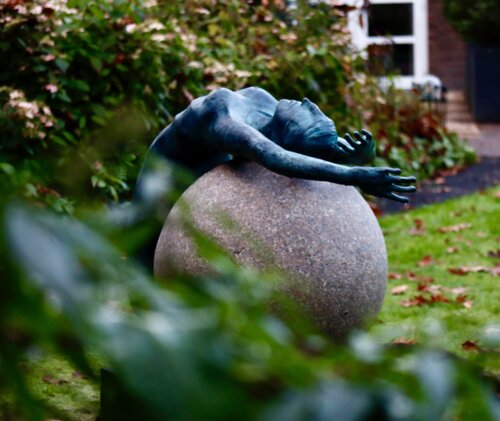
Bronze is an alloy that mainly incorporates copper and tin and combines properties that make it most appropriate for sculpture and other forms of artistic ornamentation; This is because one of the most important properties of bronze is its remarkable resistance to corrosion and its strength. That durability made it ideal for constructing sculptures and monuments outdoors that would have to endure the test of time.
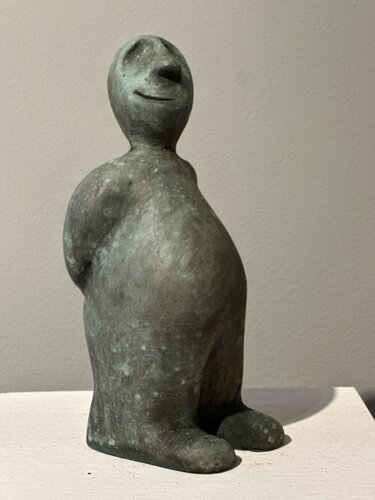
Another interesting feature of bronze is that it is ideal for casting since it displays high levels of detail. This characteristic is highly desirable in art because it enables such details as detailed textures and other fine elements that cannot be produced using other types of metals. When first cast, bronze has a golden-brown color but may develop a green or brown patina due to oxidation. This patina is looked at as quite artistic and it can also cover the metal part of bronze which makes bronze longer lasting and more historical.
Just as introduced, bronze has been a vital material in sculpture due to its durability and exquisite detail-capturing capabilities. Here are some must-know sculptures:
- The Statue of Liberty – Even if it is made mostly of copper, this giant statue, given by France to the US and situated in New York, represents freedom and democracy; in other words, the principles of bronze casting on a massive scale.
- The Thinker – The sculpture by Auguste Rodin is of a man sitting with his chin resting in his hand, deep in thought. This sculpture has grown into a global symbol of self-reflection and art in bronze.
- The Riace Warriors – These are two bronze statues of warriors that stand as some of the best examples of muscularity and action typical of Greek sculptures, recovered from the sea of the Mediterranean.
- Discobolus (The Discus Thrower) – Sculpted by Myron, this is a perfect representation of an athlete in action revealing the advantages of sculpture that can be achieved with bronze.
These works all represent the characteristics of the bronze material in embodying the beauty and flexibility of human movement.



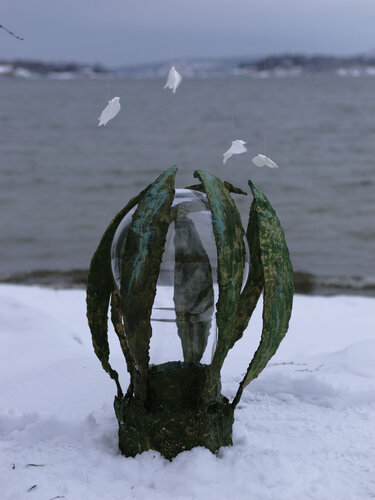


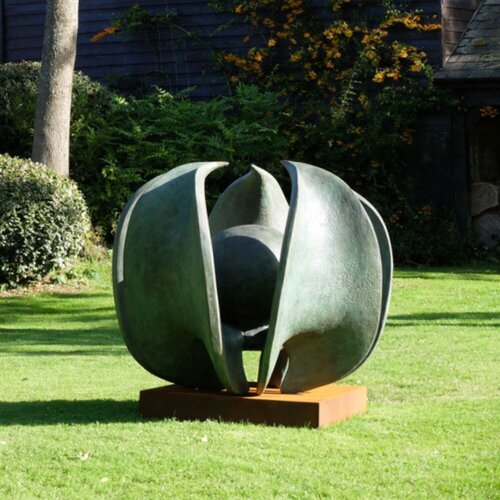


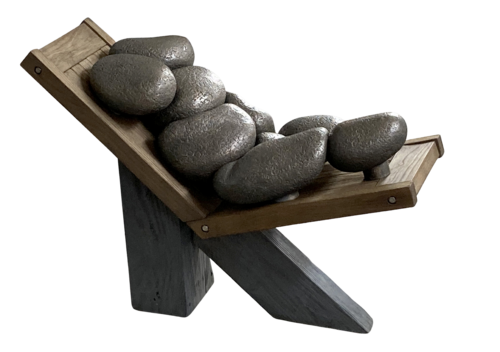















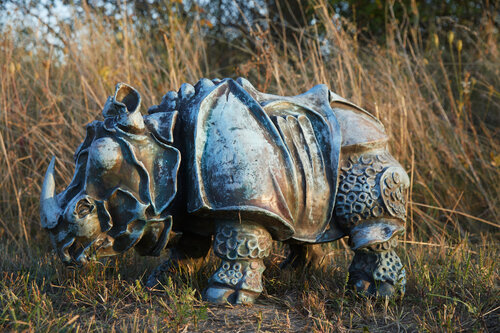

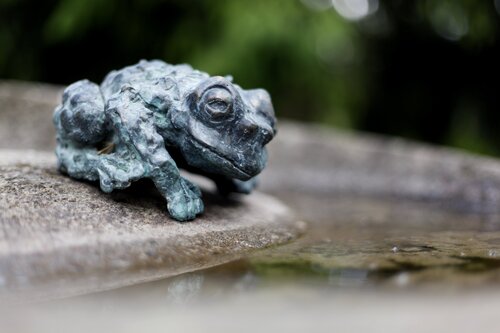
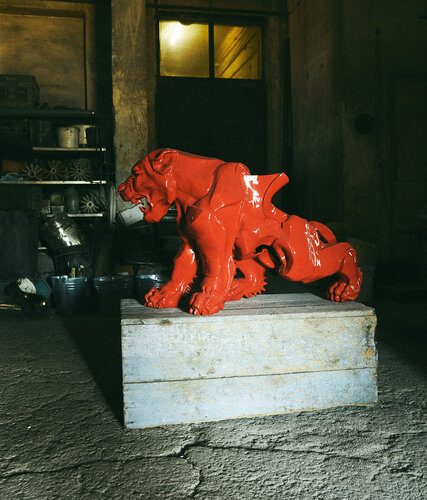


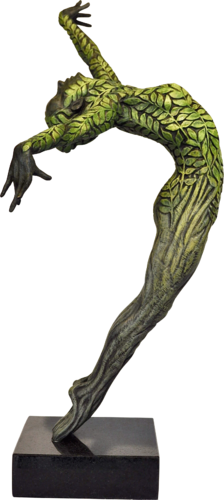


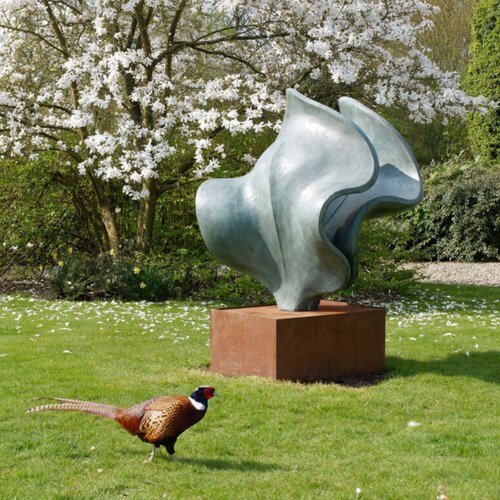
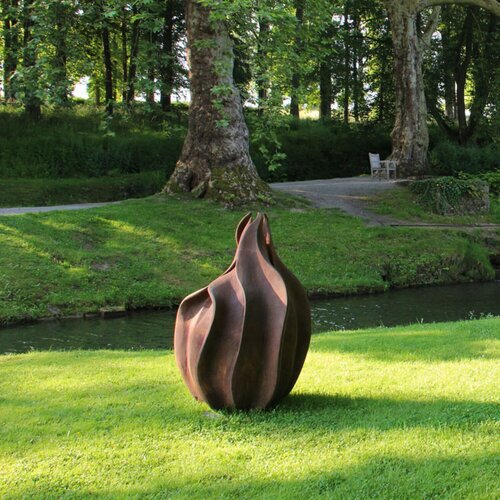
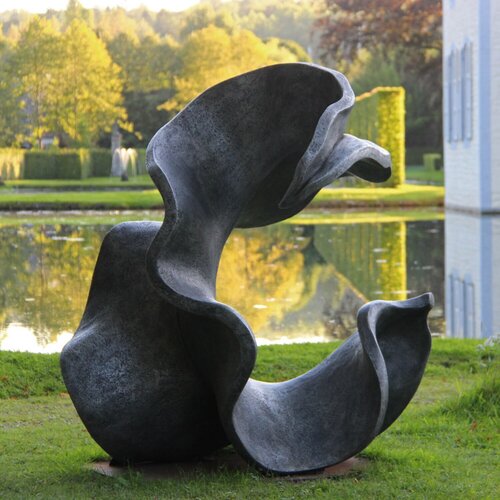
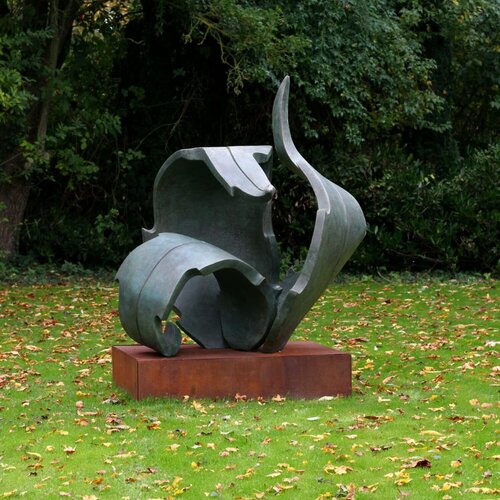

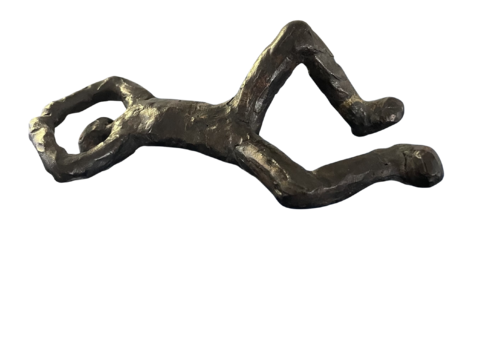
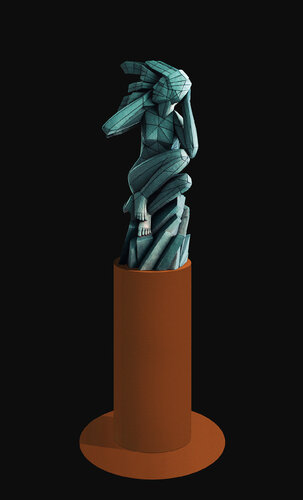

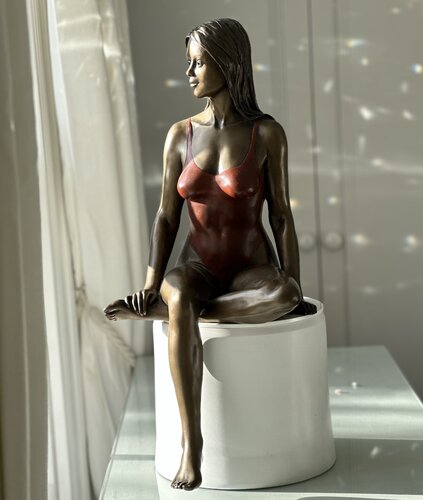
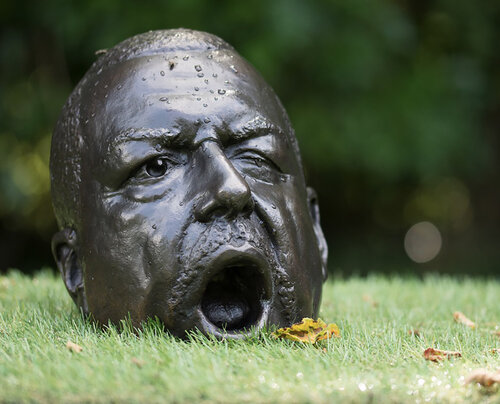


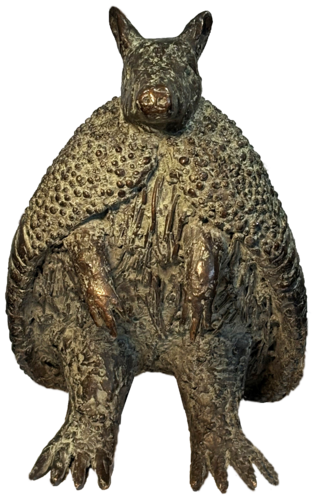




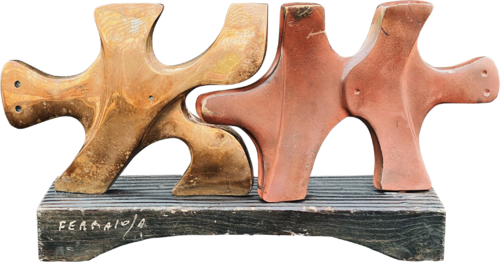
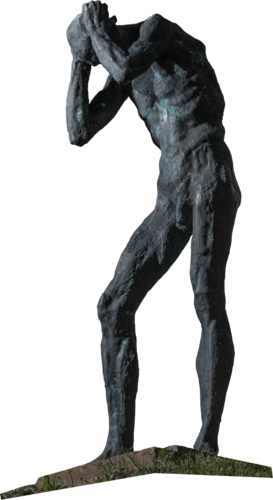
![Hartland Tide III [B] by Philip Hearsey, Sculpture for Sale on Singulart](https://www.singulart.com/images/artworks/v2/cutout/3845/main/base/660713_624fa33a0ca44ab353b4e21fe6e74f6a.png)
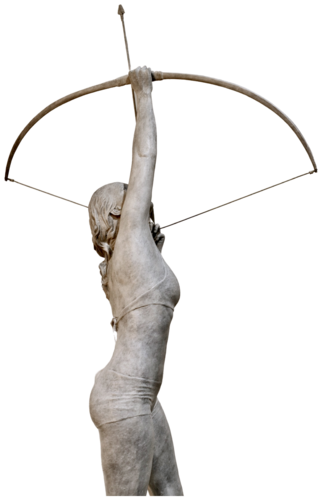
![Hartland Tide III [A] by Philip Hearsey, Sculpture for Sale on Singulart](https://www.singulart.com/images/artworks/v2/cutout/3845/main/base/660921_2ea856cf07681a2e8d32e9f2fc95b94d.png)