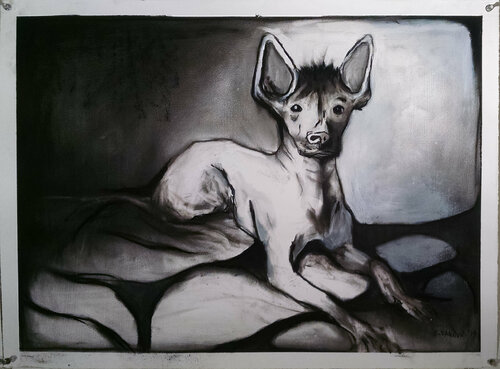
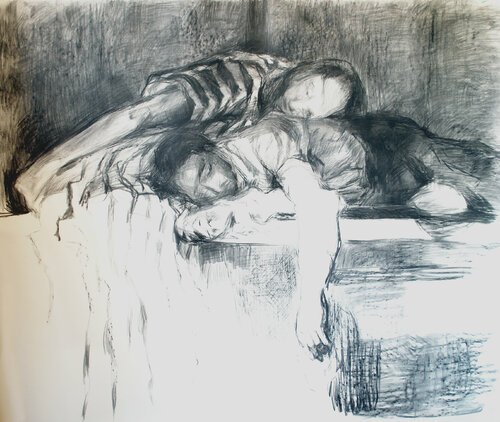
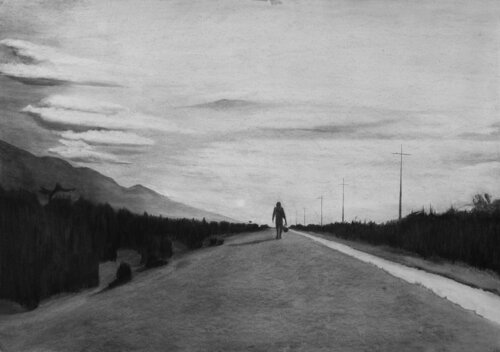
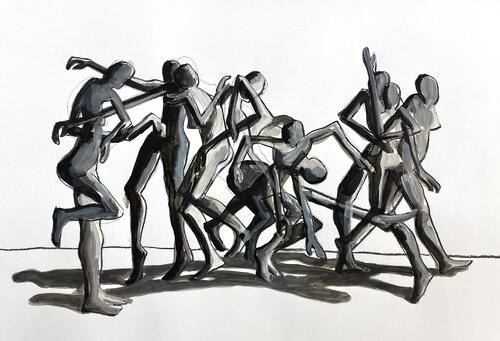
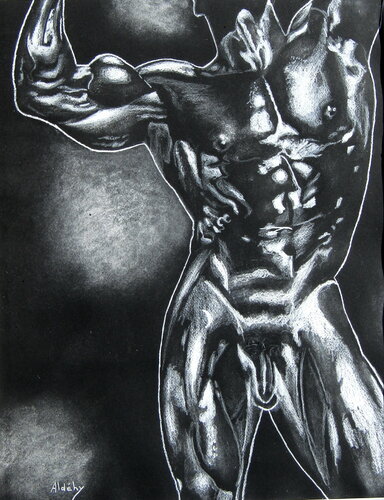
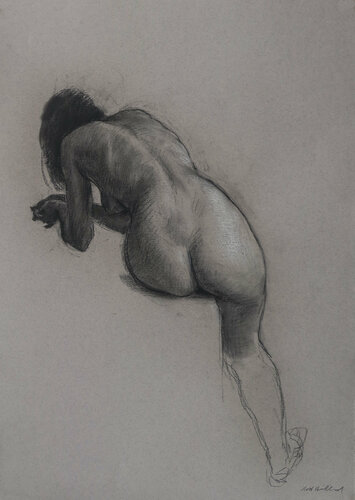
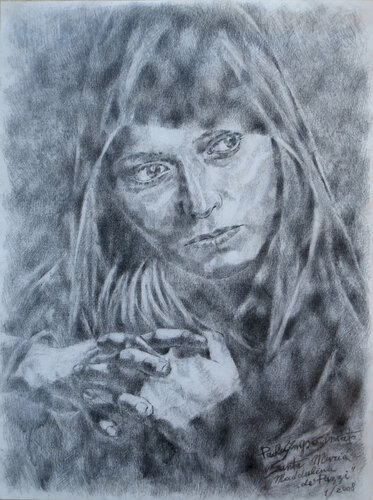
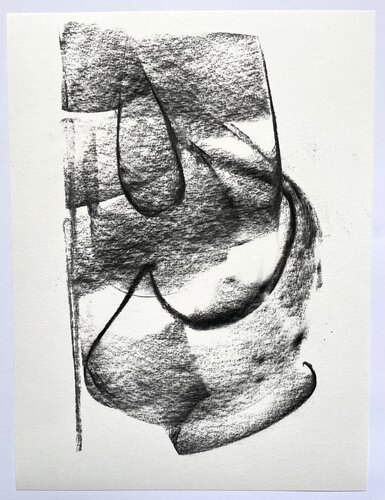
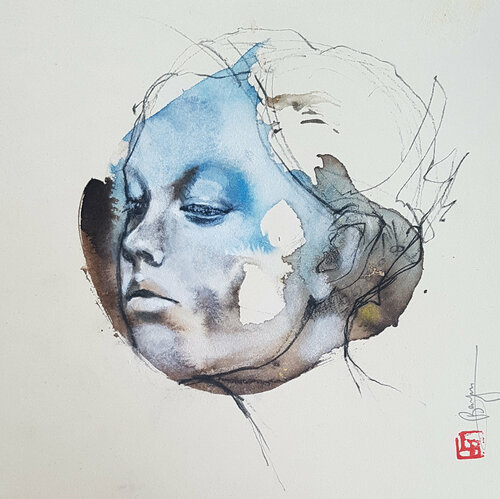
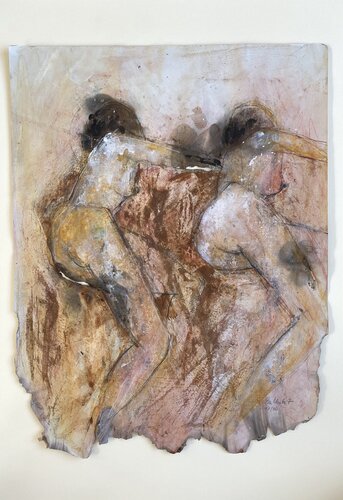
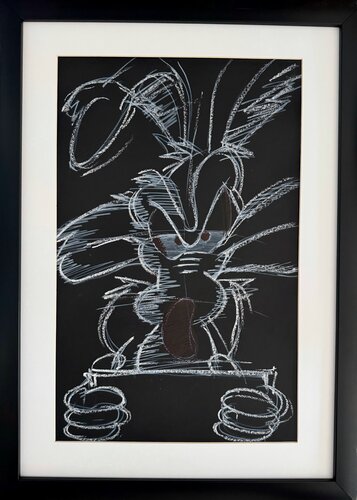
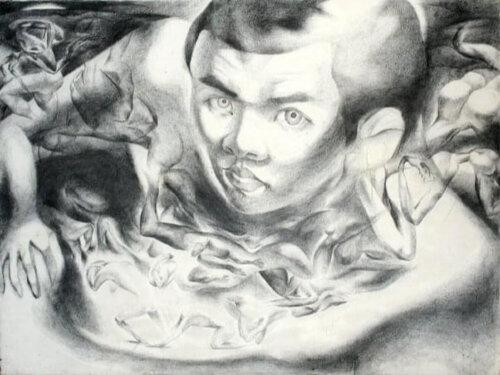
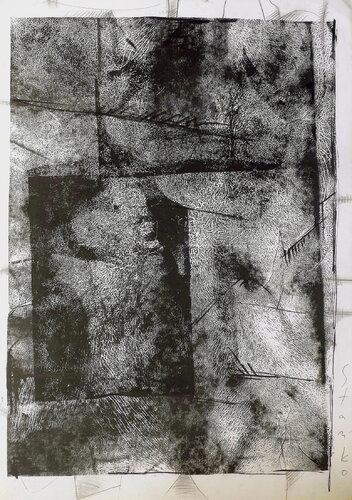
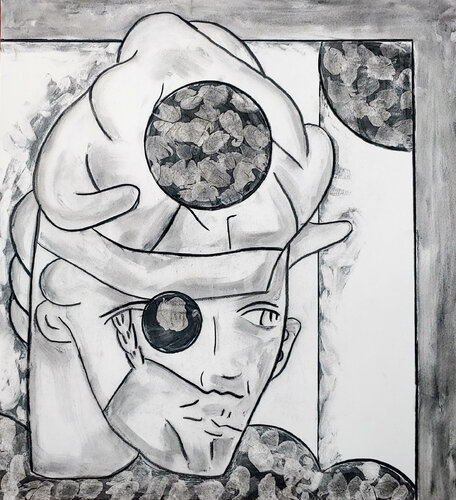
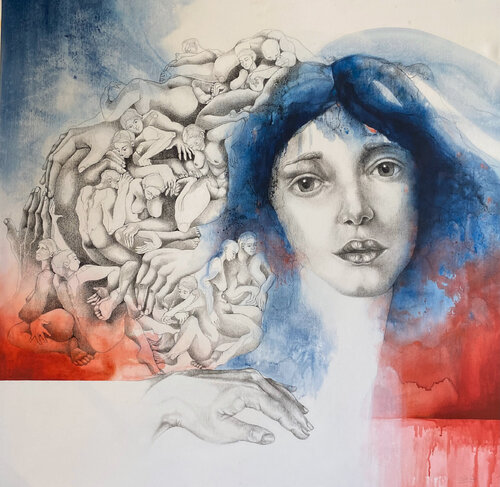
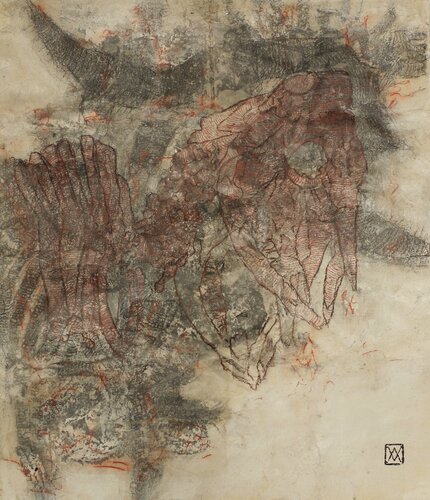
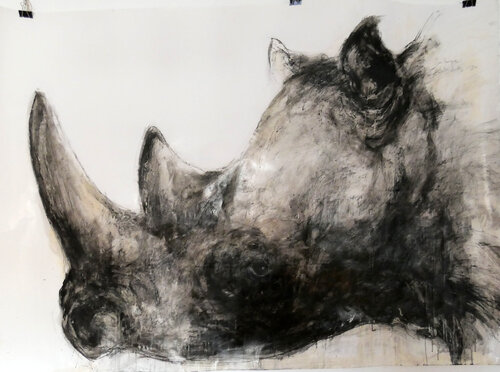
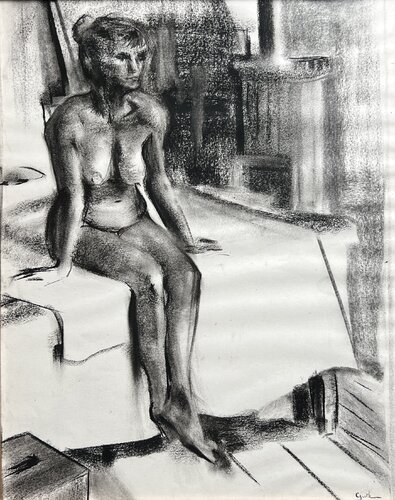
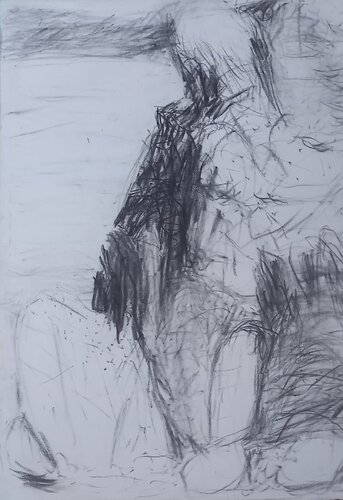
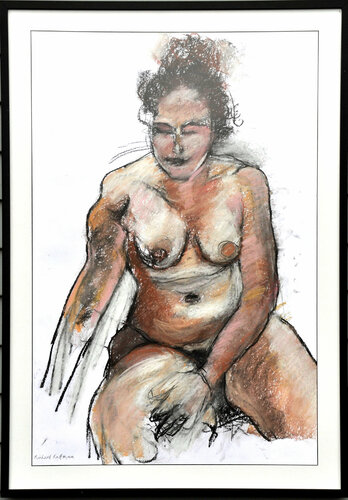
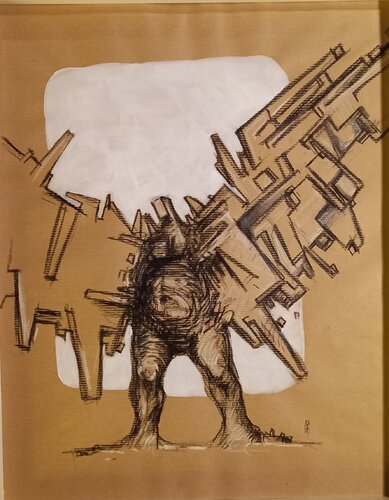
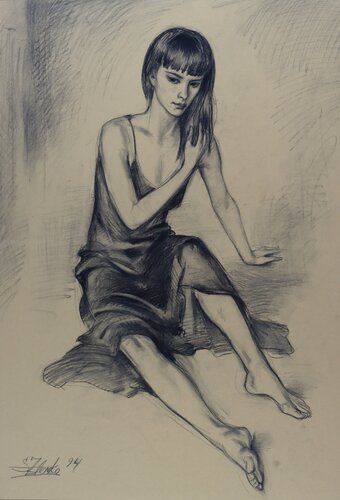
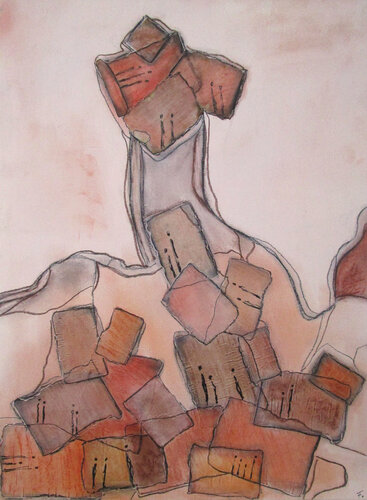
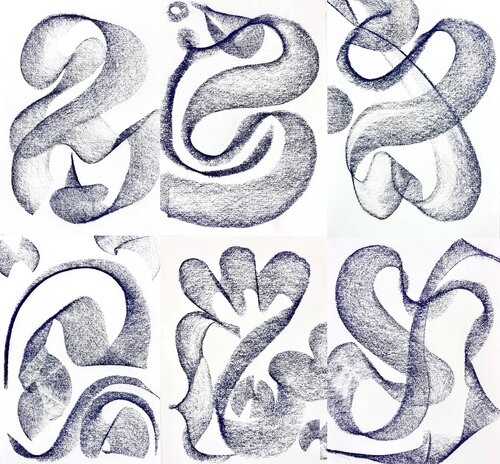
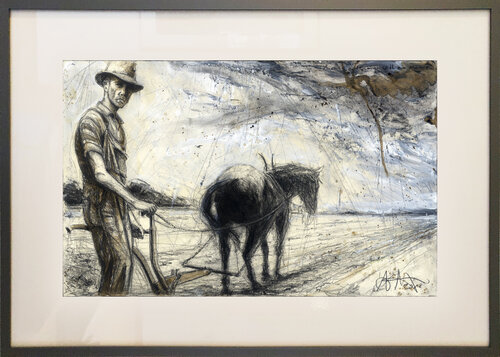
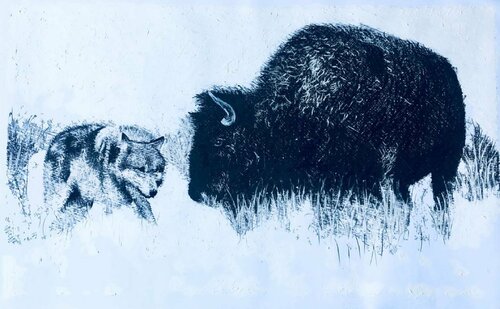
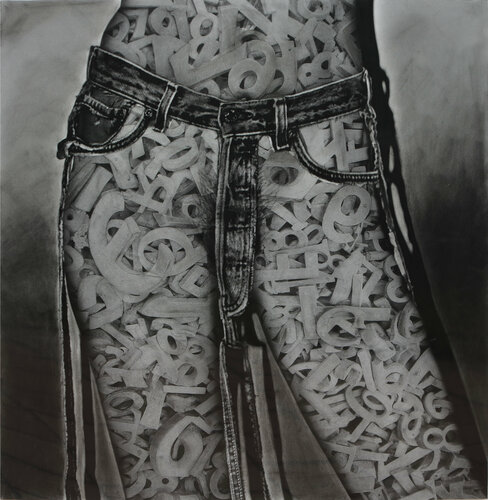
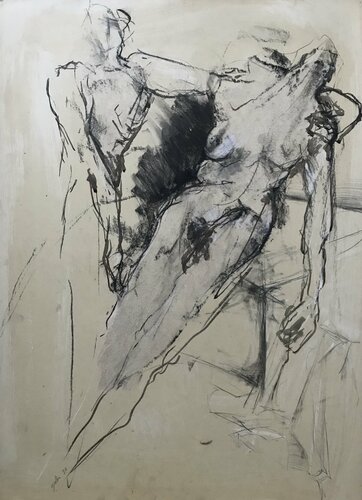
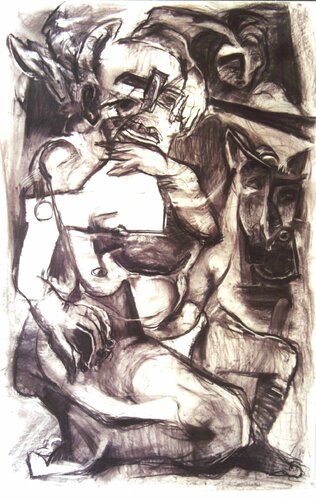
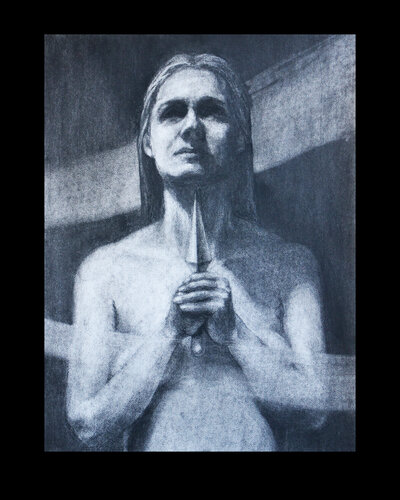
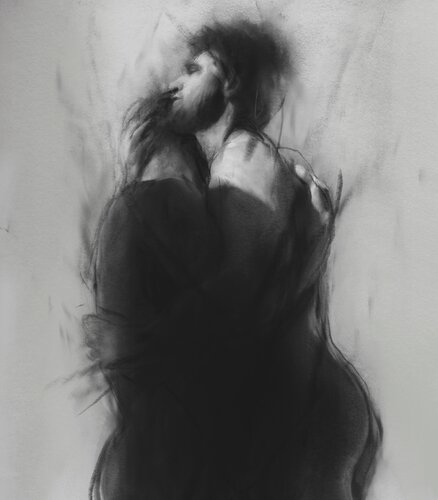
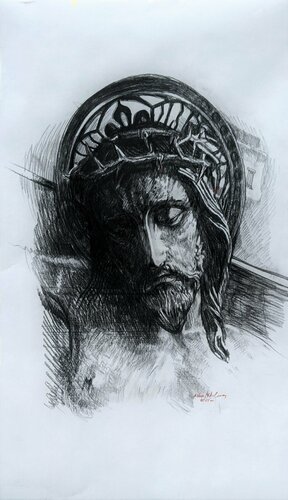
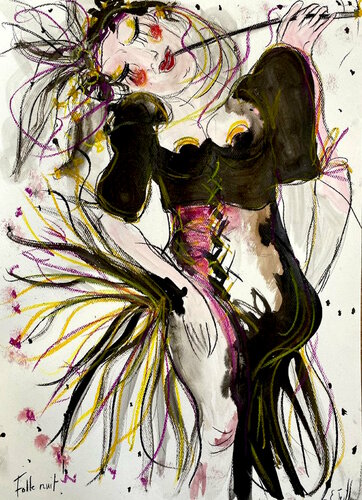
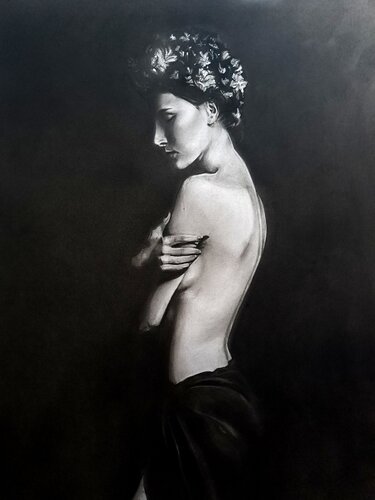
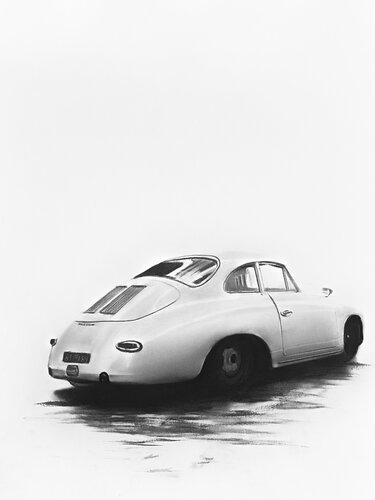
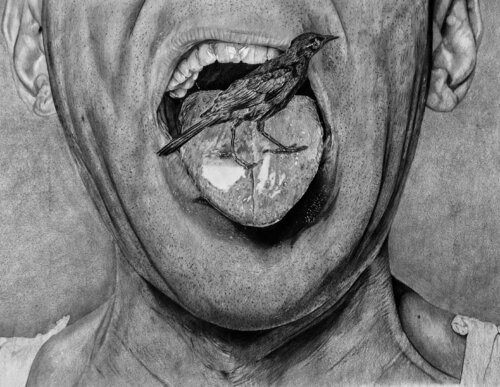
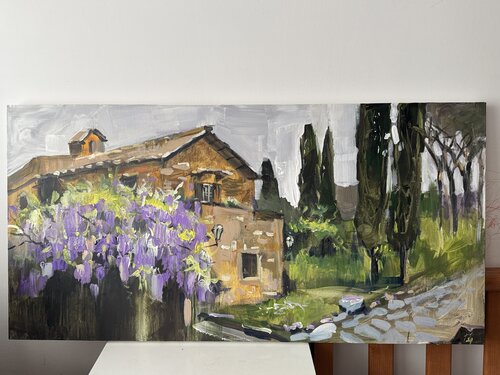
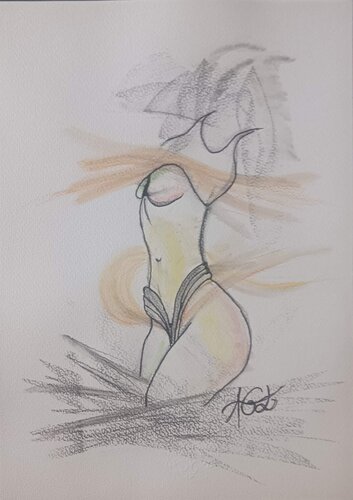
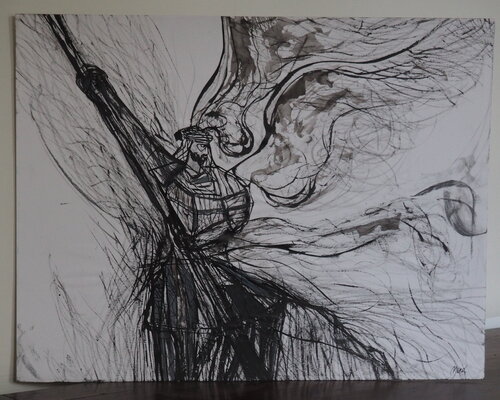
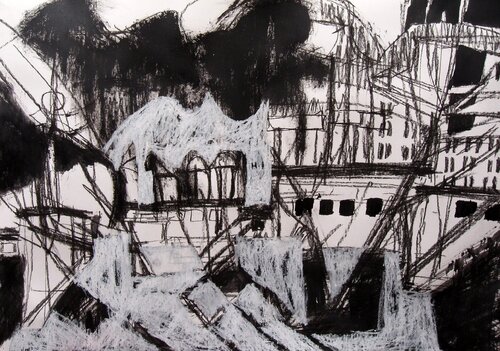
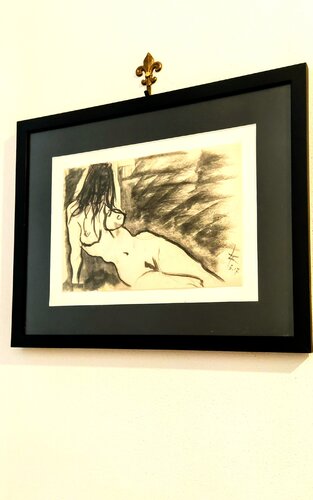
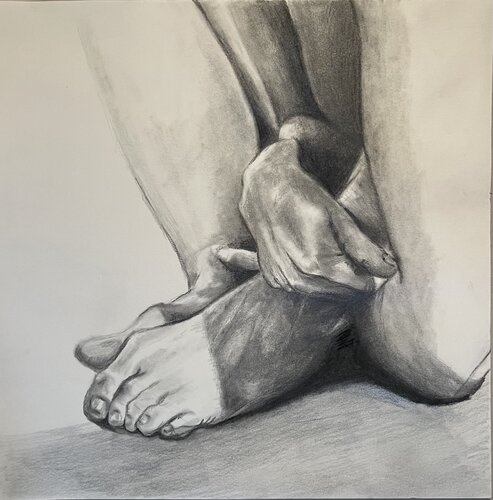
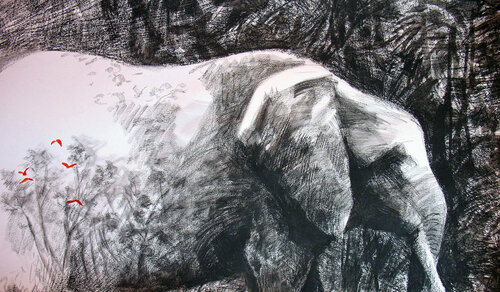
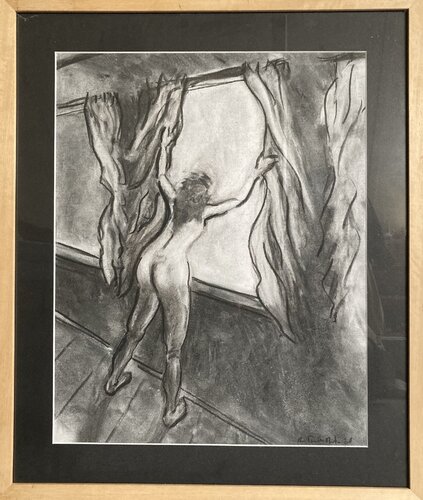
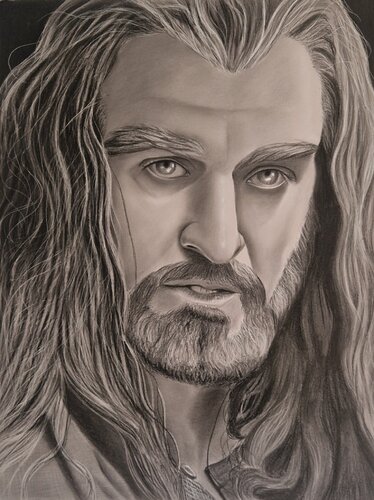
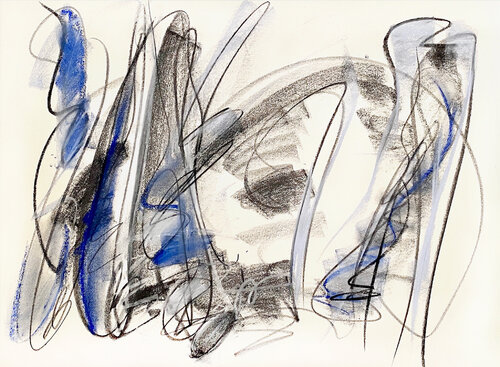
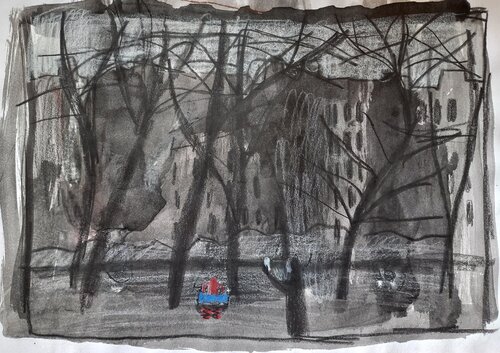
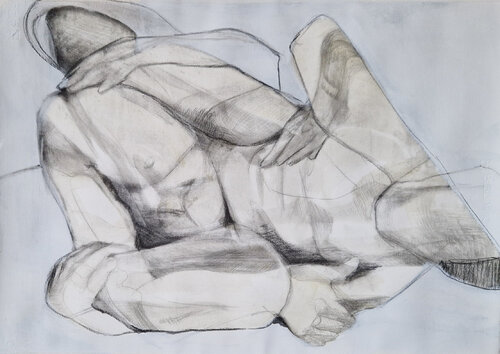
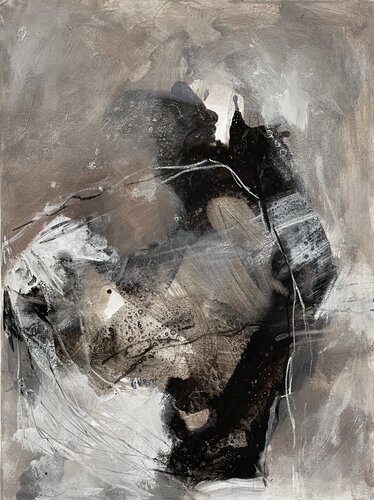
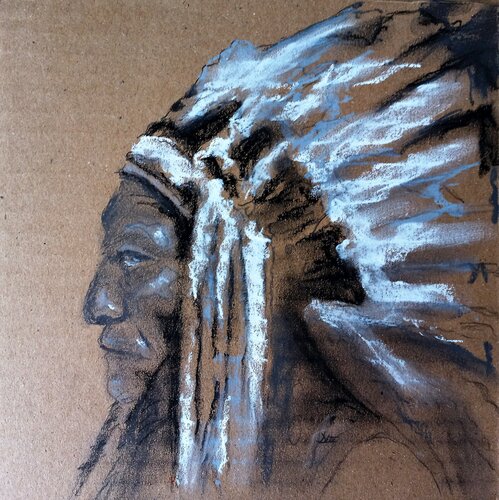
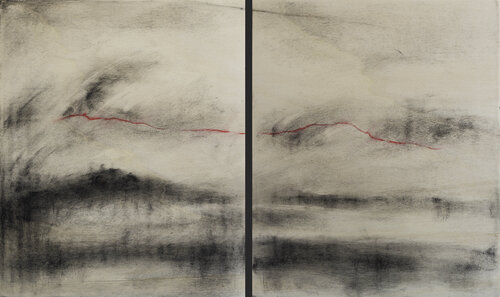
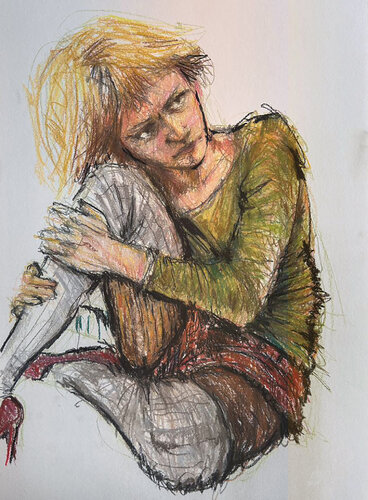
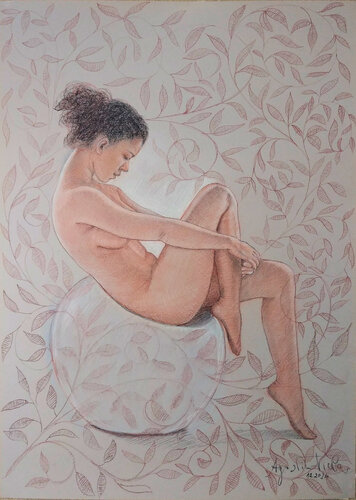
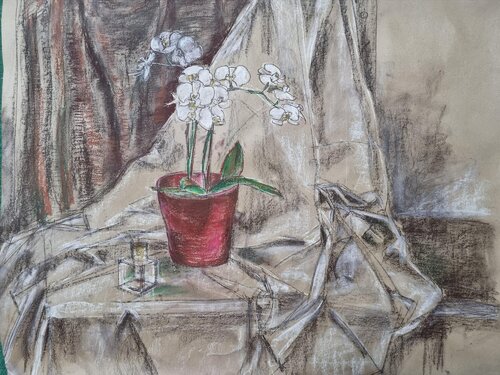
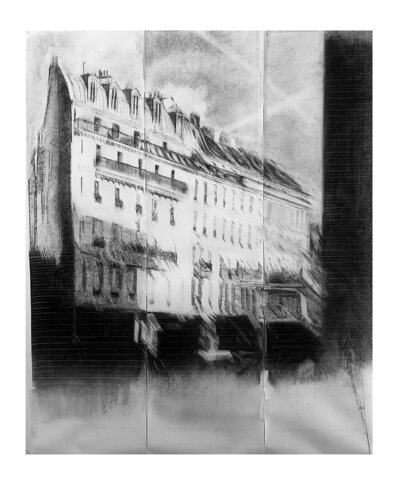
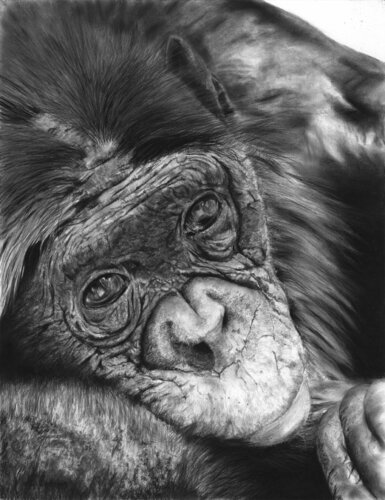
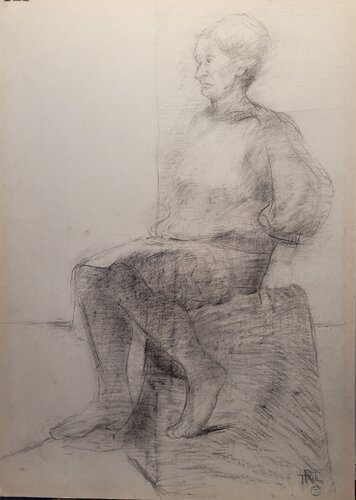
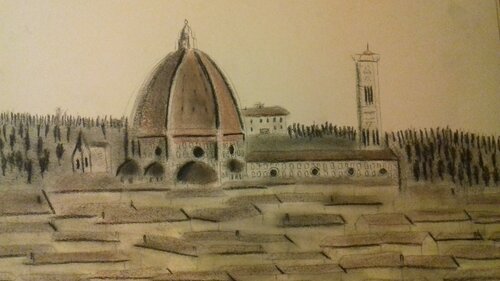
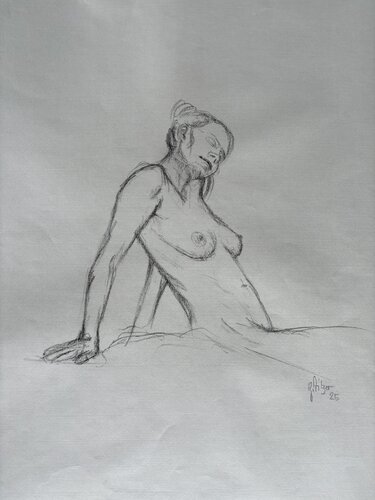
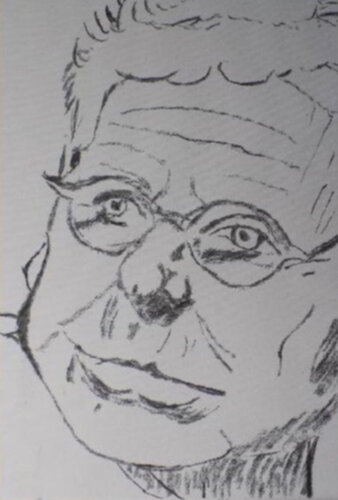
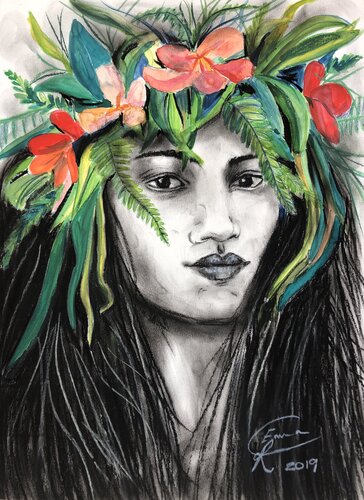
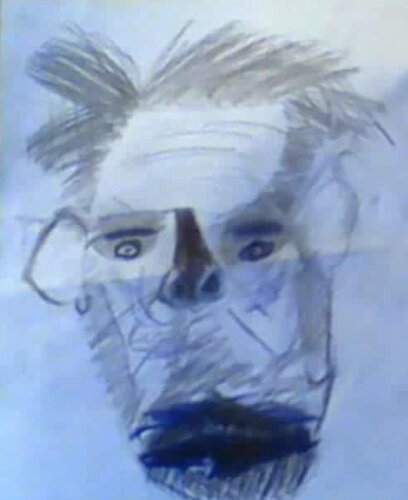
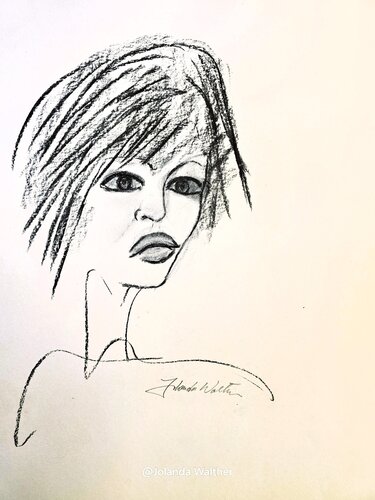
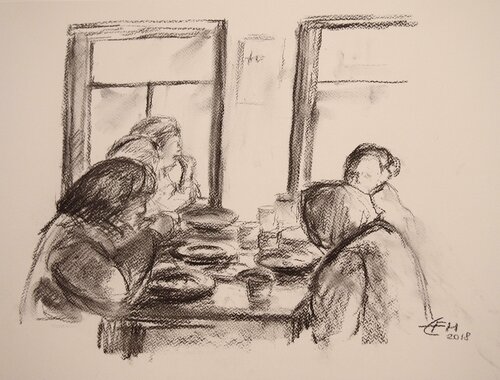
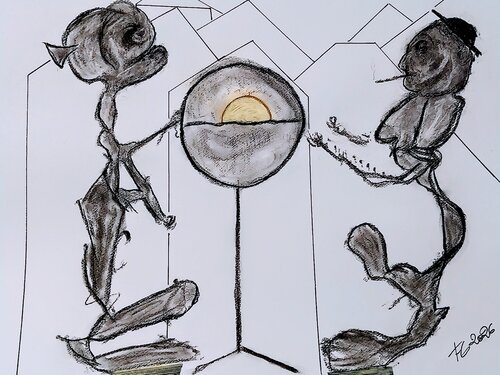
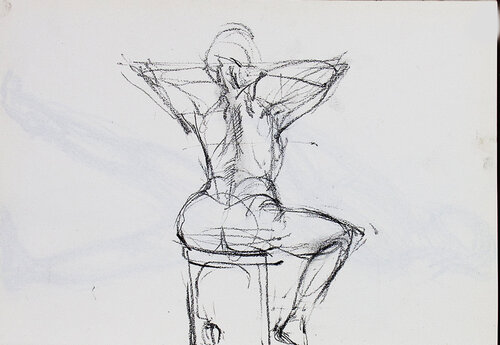
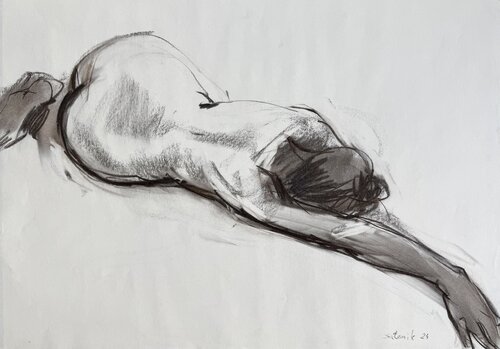
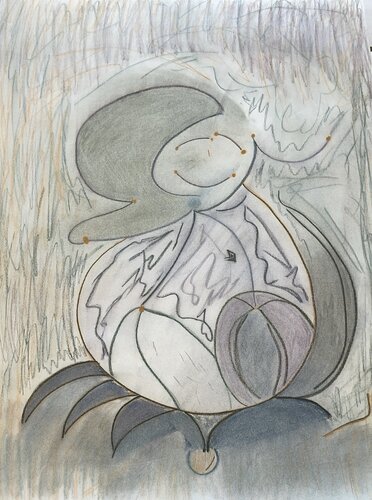
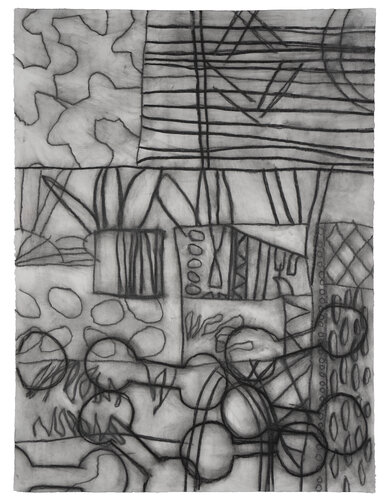
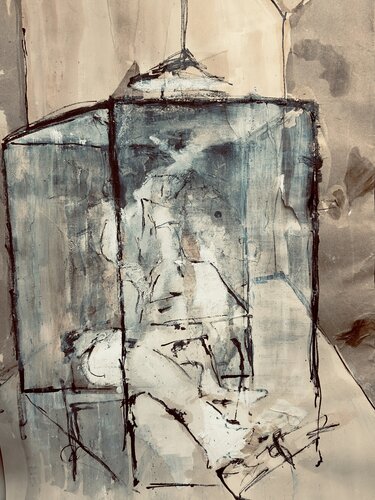
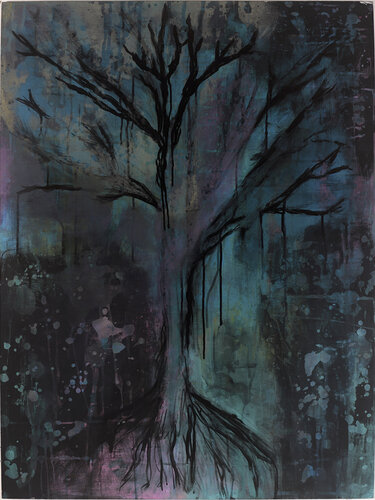
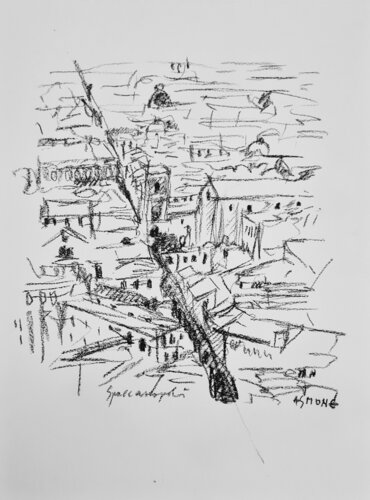
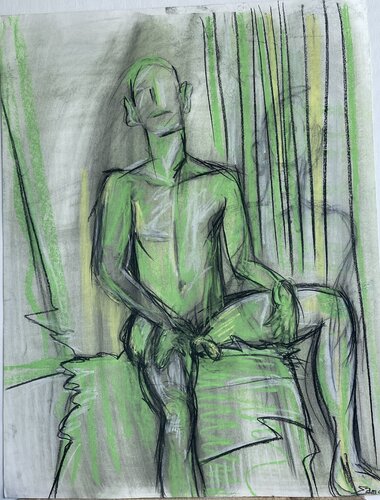
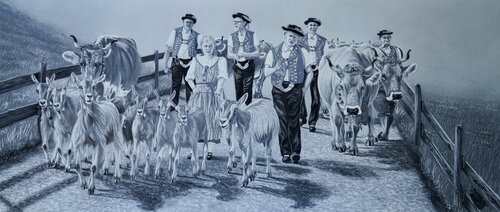
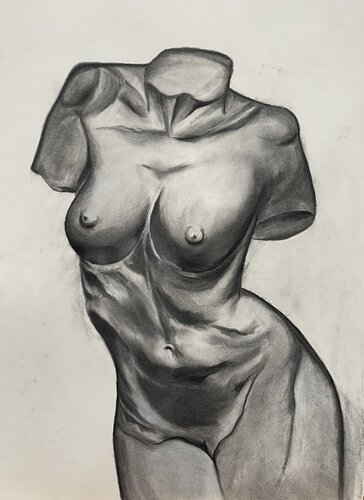
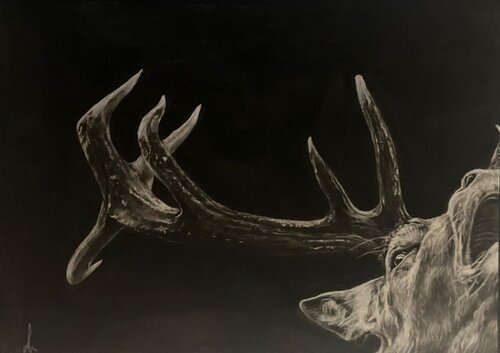
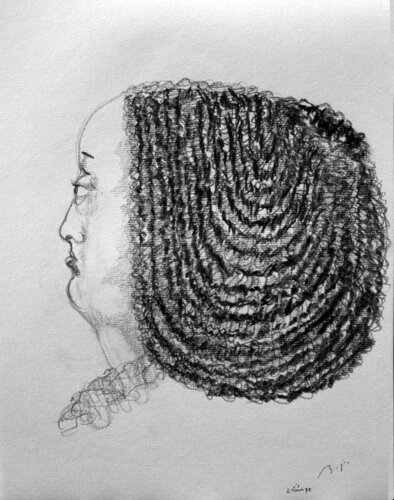
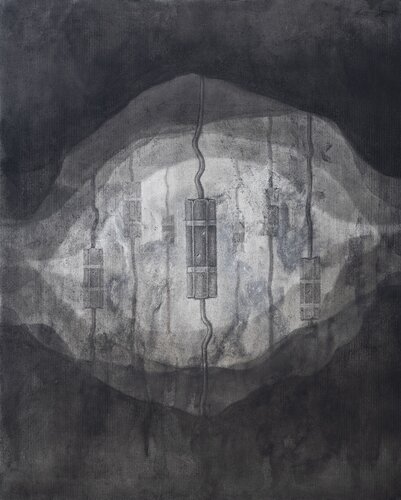
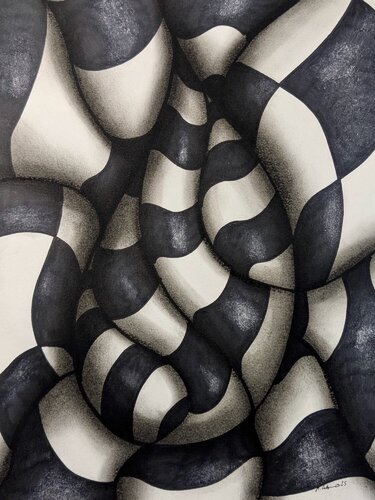
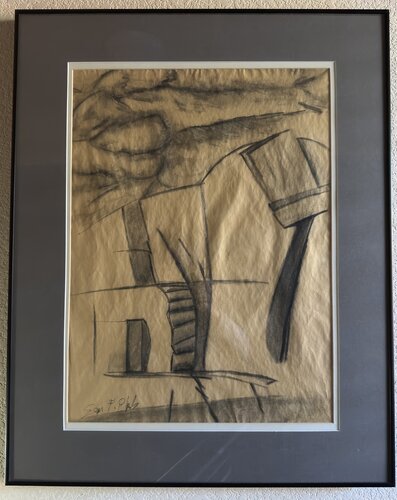
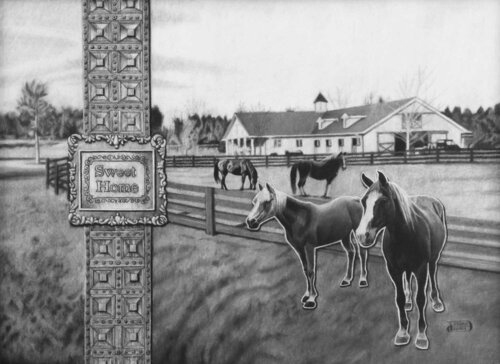
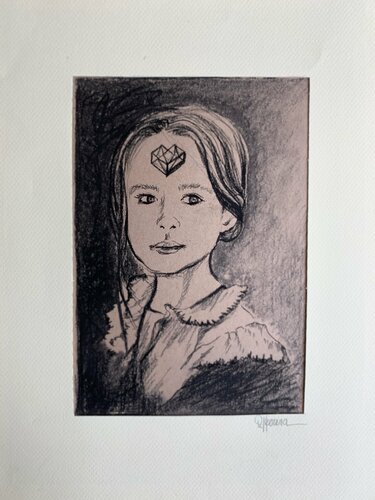
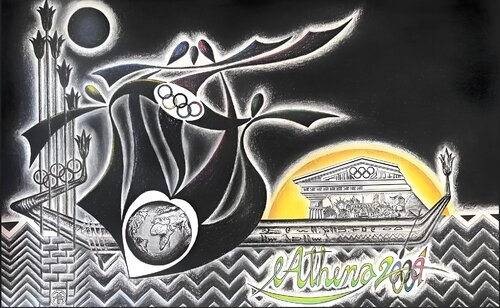
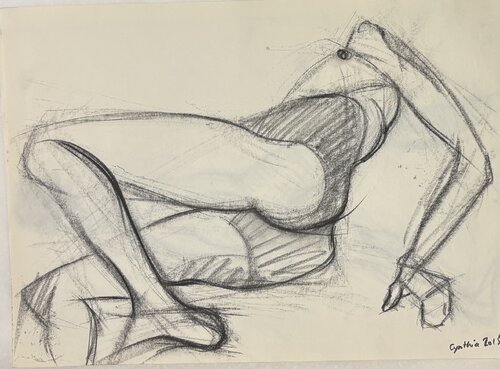
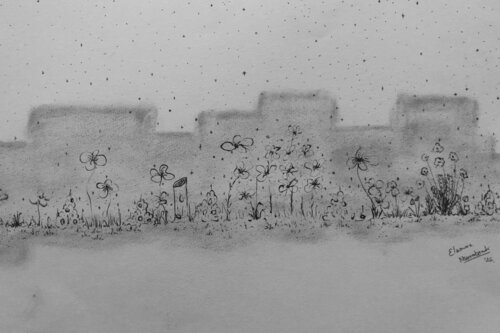
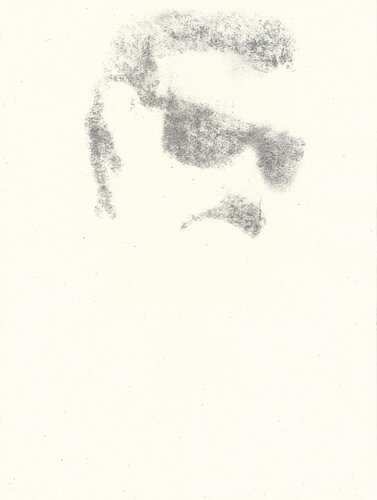
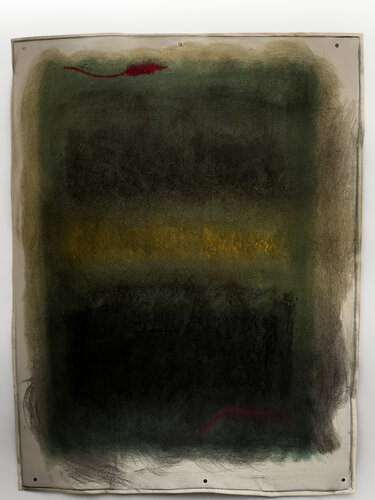
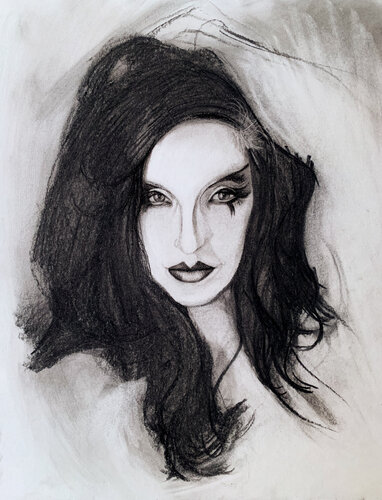
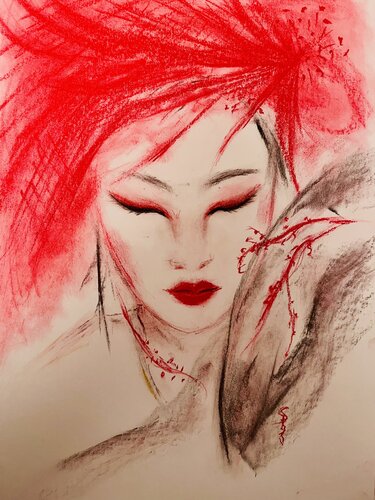
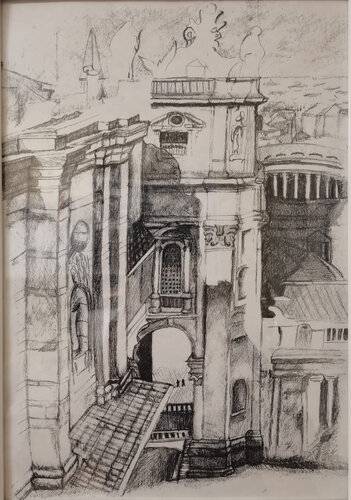
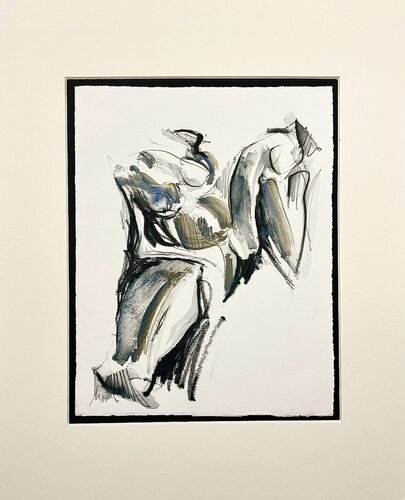
Both charcoal drawings and prints are influential in the visual arts, however, they are created using different tools and methods to get the final effects. Charcoal drawing is a non-mediated art piece in which artists use charcoal, a type of carbon byproduct, to produce images. This medium is loved for highly detailed blacks and a vast scale of tones where high contrast, dramatic, and expressive compositions with strong blacks can be created. Charcoal is used in sketching and rendering mainly because it can make precise lines indistinct outlines and adjacent shadows in the shortest time.
Printing uses metal plates, wood blocks, or lithographic stones to transfer ink onto surfaces such as paper. The method can be repeated serval times, it allows artists to create multiple editions of a single piece of art. Prints are premeditated and involve a multi-step process of preparing the plate or block, inking it up, and pressing it.
Despite the focus on line and texture in both mediums, the procedures, goals, and results are significantly distinct, as the two depict entirely different concepts and ideas.
In art, an ‘edition’ is a number of prints or casts taken from the same matrix or a similar matrix, irrespective of the degree of variation that may exist between them. This idea is mostly connected to printmaking and sculpture where tools like
lithographs,
screen print, etchings, and casting can be used to produce more than one copy of that particular work of art. When classical artists sign a particular artwork, usually they also indicate the position of the piece in the edition, for example, one from the fifty (1/50) to show that the piece is the first print in the edition of fifty.
Editions are crucial as they make pieces available to a greater audience at lower price ranges than originals while still managing the commodification of the artwork itself through its scarcity, etc. The artists also write and apply their signatures and edition numbers on each of the artworks to provide corroboration and ensure that only original pieces are replicated by the printers. Thus, editions help artists to meet and maintain the principle of originality at the same time the principle of commonly unknown and sought-after pieces.
Some of the great masters used charcoal painting to express themselves, while most of the produced works on charcoal are unique artworks and not multiple or limited editions. Here are some great artists that you should know in terms of charcoal:
Edgar Degas is most famous for his "ballet dancers" and "race horses", he preferred working in charcoal sometimes accompanied by pastel works. The charcoal works are celebrated for their dynamism and contour as he paints the moment with free-spirited strokes and accuracy.
Kentridge is an experimental artist born in 1955, renowned for using charcoal drawings as a part of his animated films. Kentridge makes charcoal drawings, he draws on one piece of paper and while erasing and drawing out a new image records it on video and comes up with interesting stories that tell of political and social issues.
Another artist, who worked with charcoal, was an American realist painter and printmaker
George Bellows who depicted the moments before, during, and after fights of boxers as well as the New York ambiance and other energetic activities for a man in the early 1900s.
These artists have not only adopted charcoal as a canvas material for its visual property but also for the capacity it has to convey raw and intense messages.