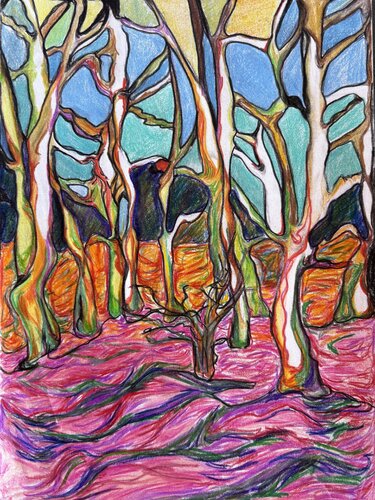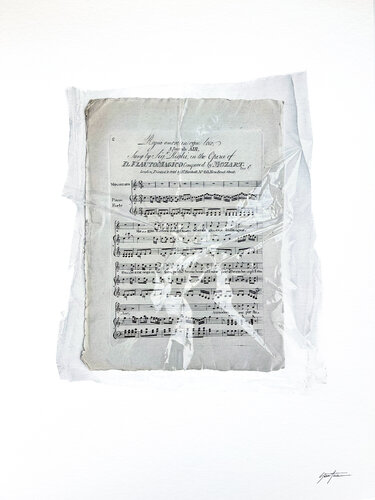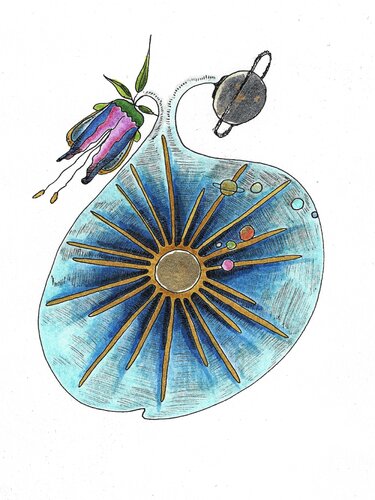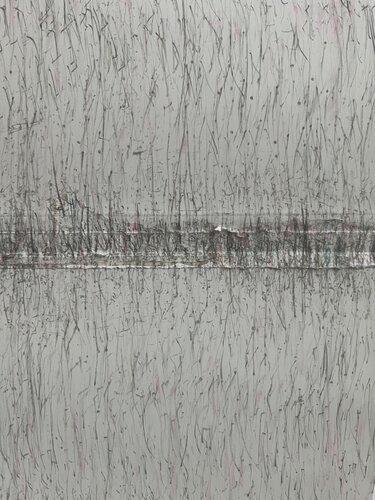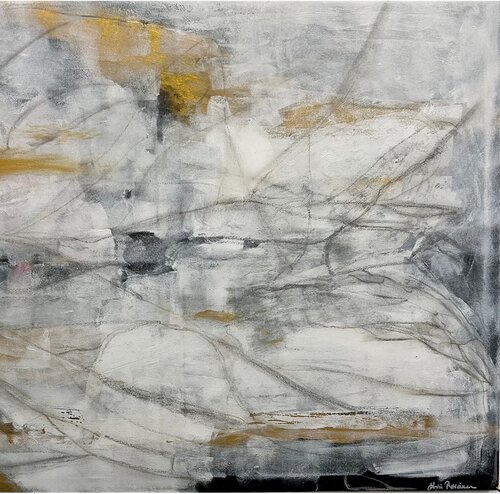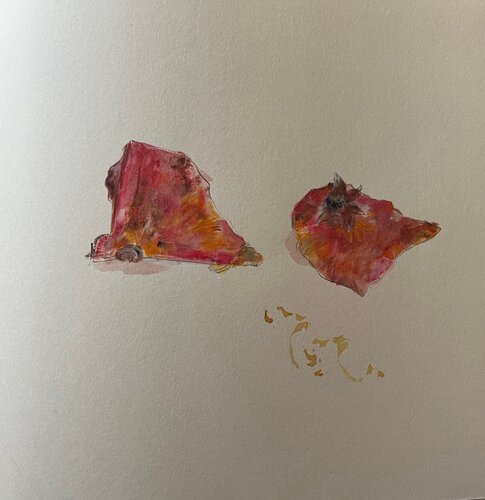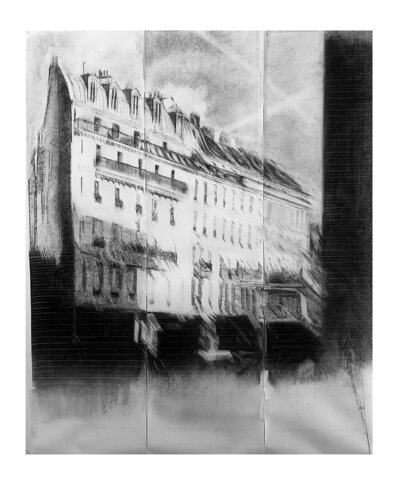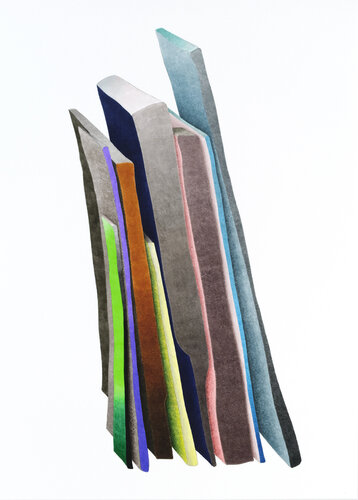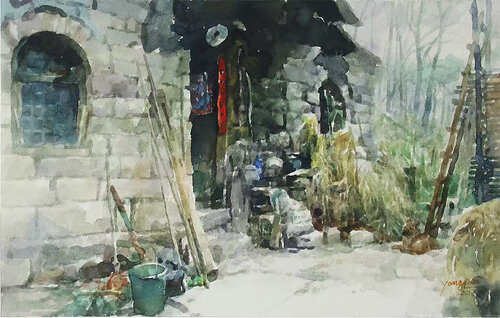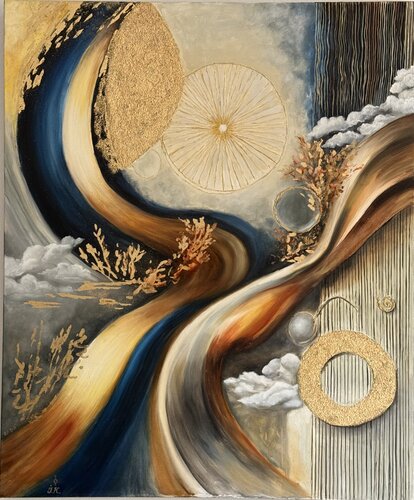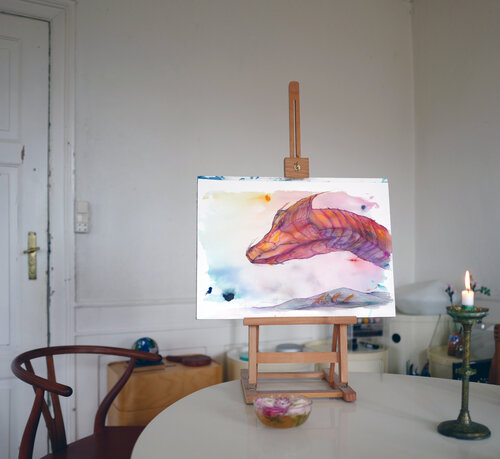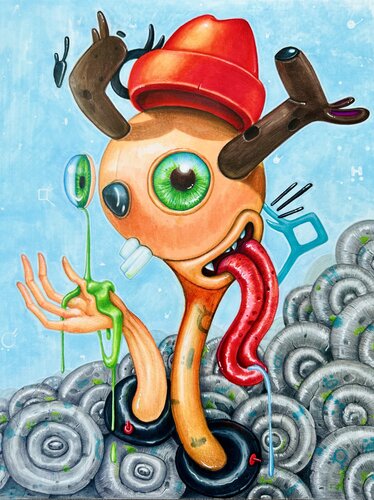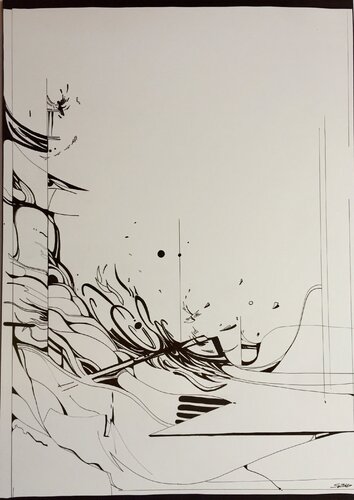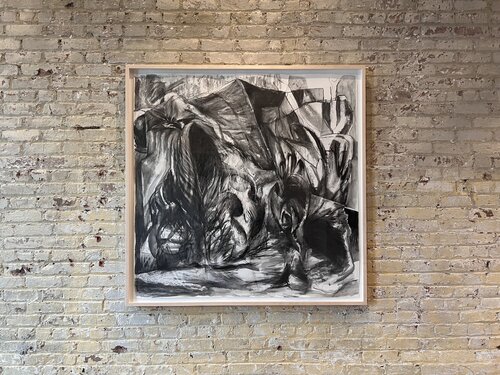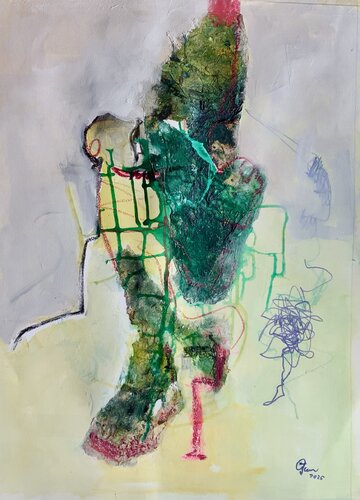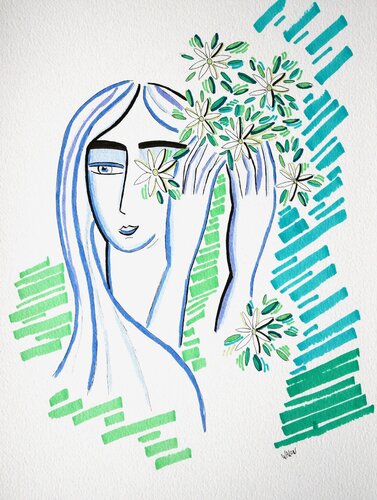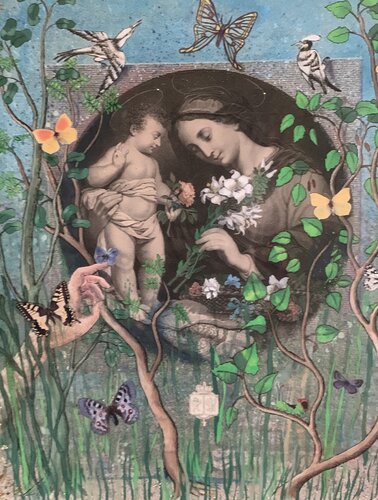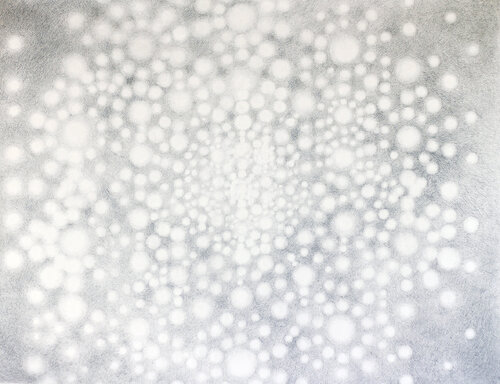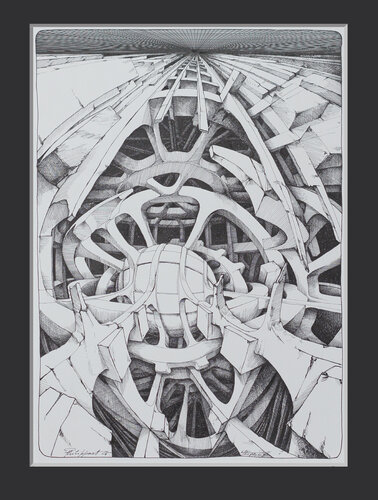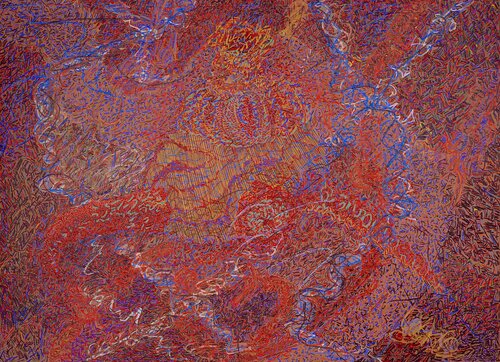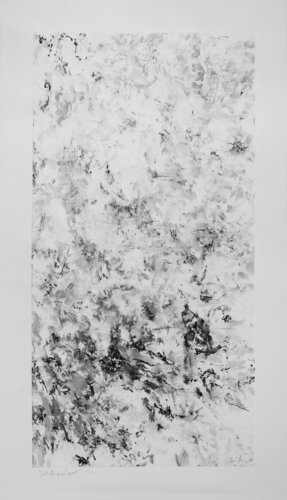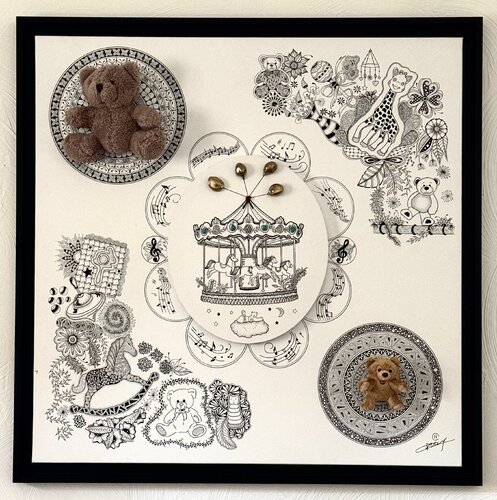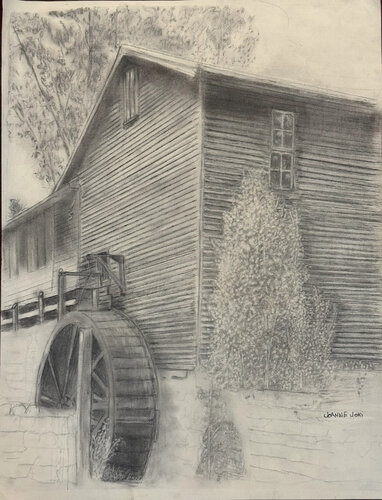
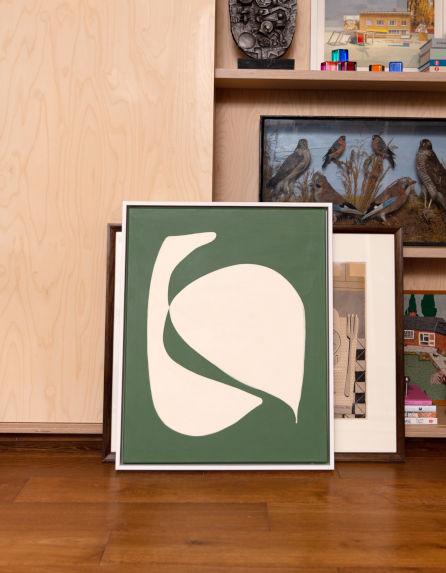
Whispers of a Waterwheel
25x19in
$3,250
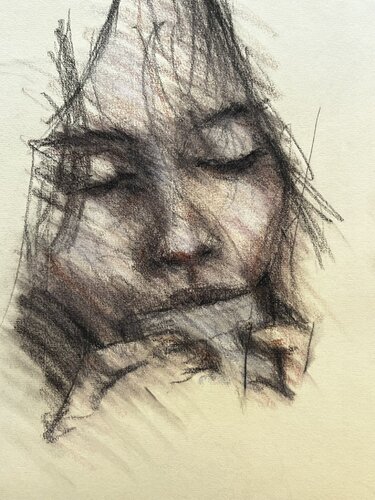
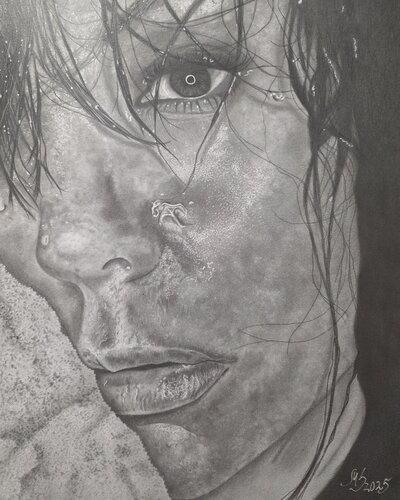
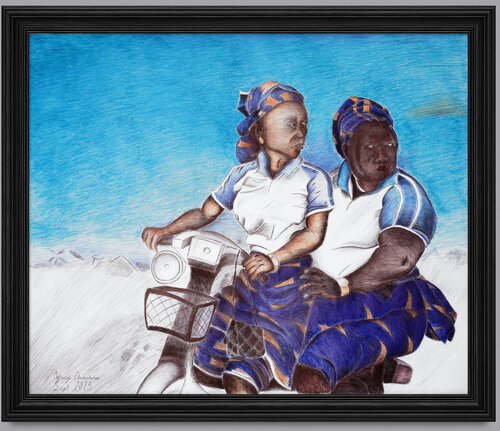
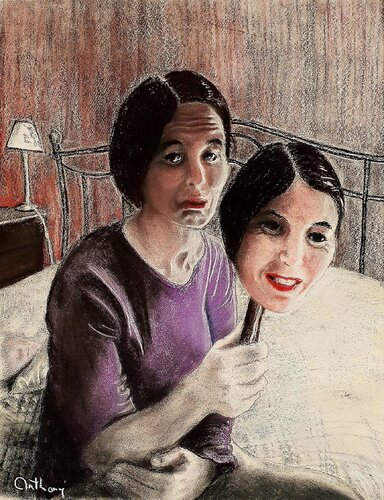
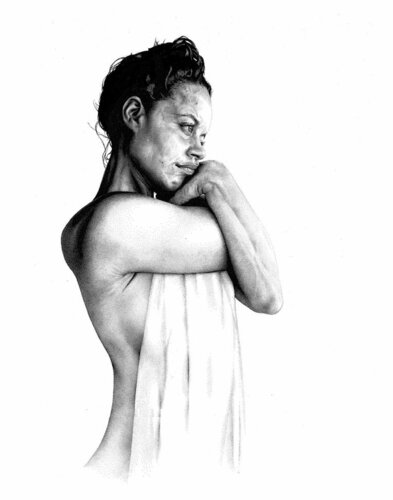
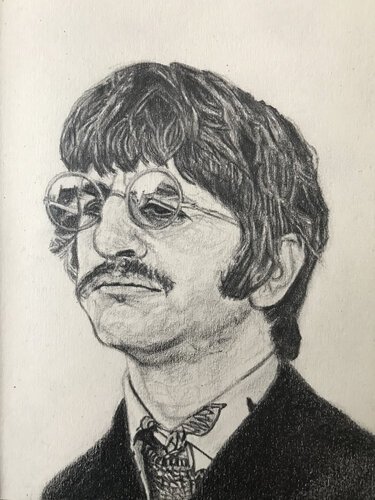
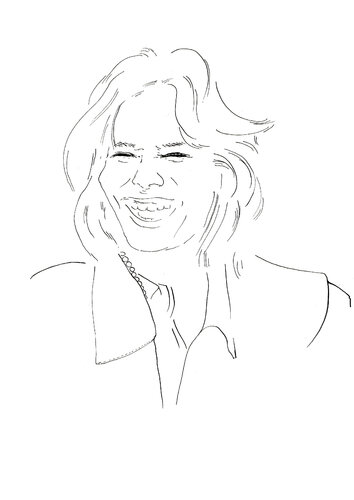
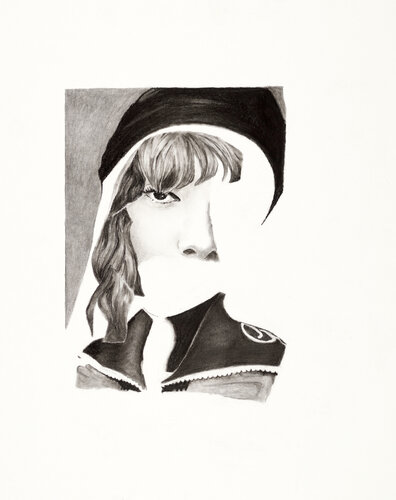
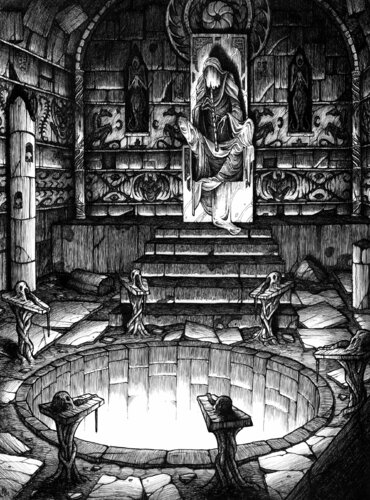
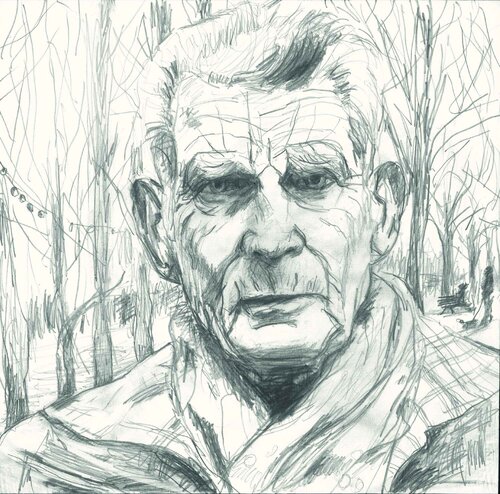
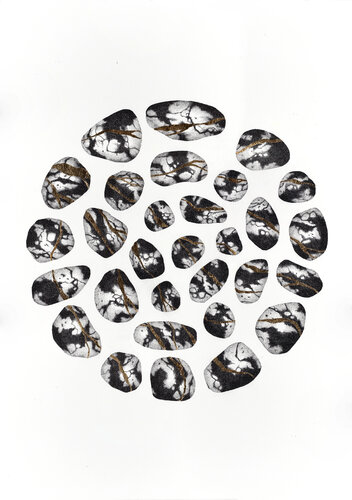
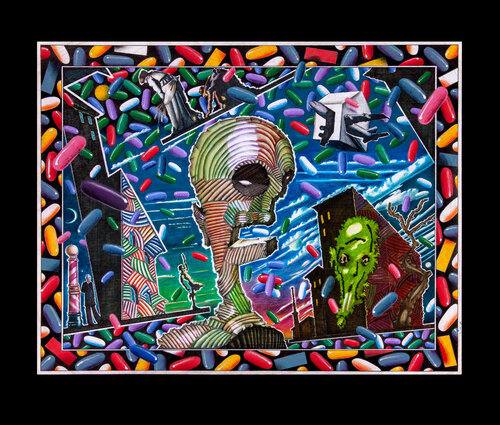
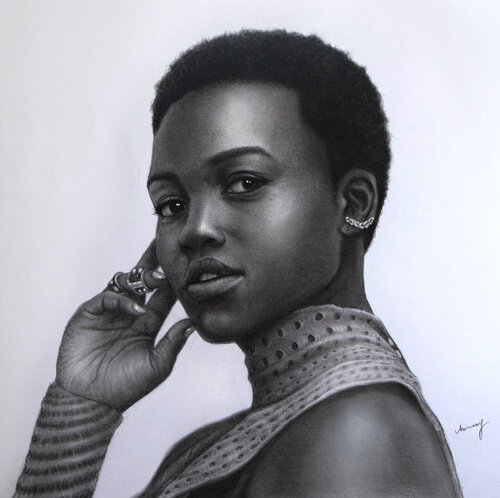
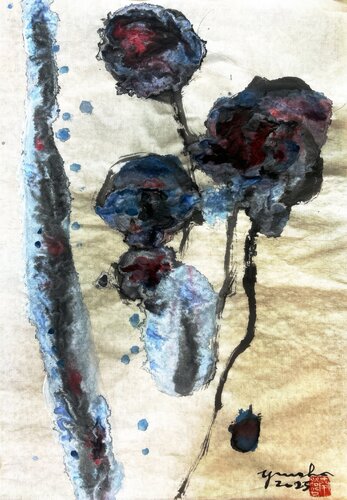
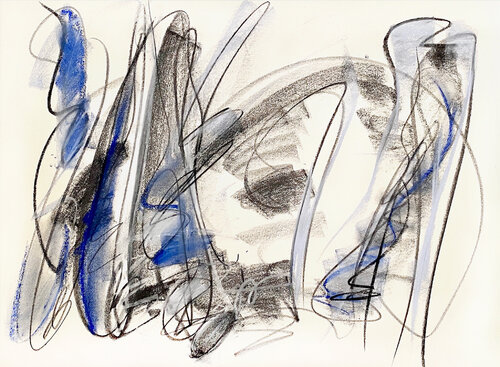
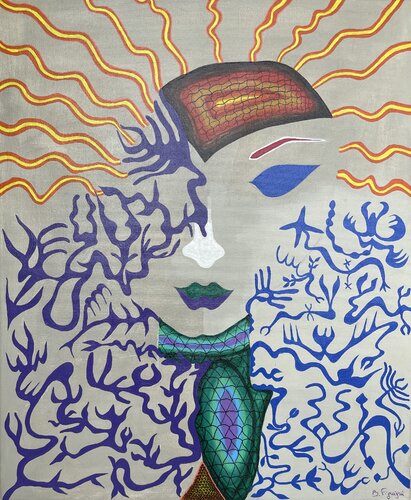
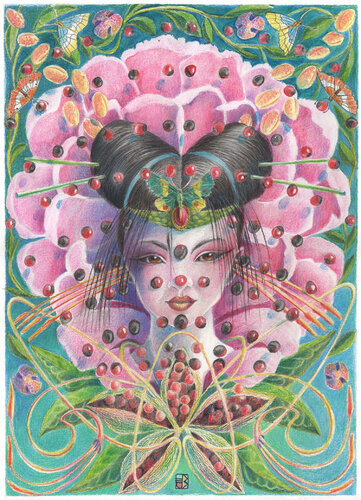
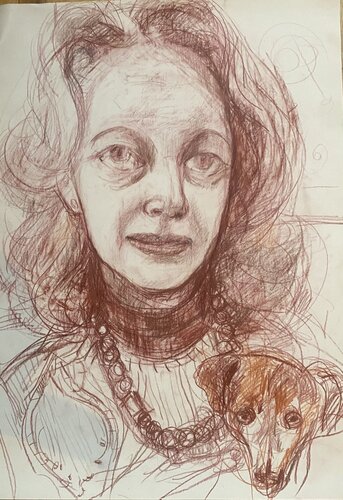
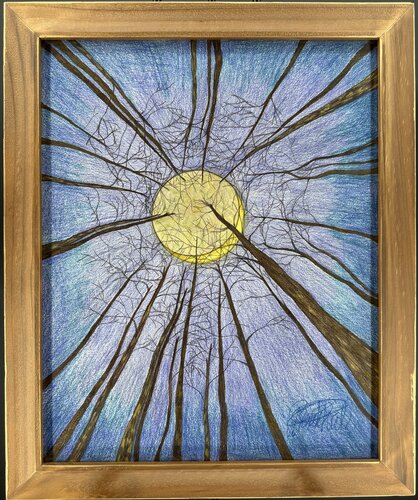
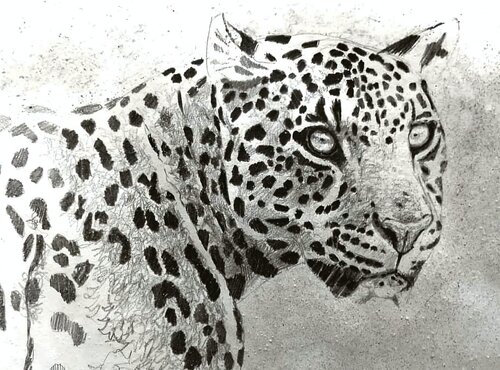
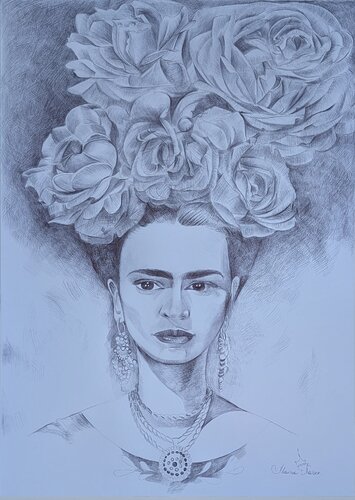
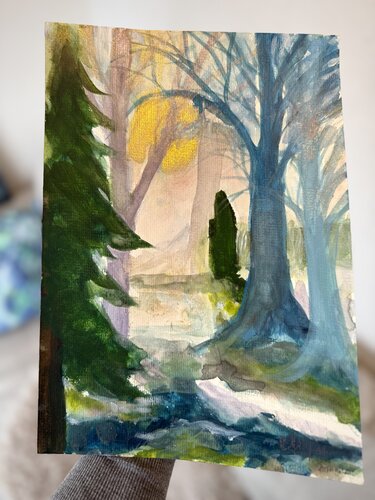
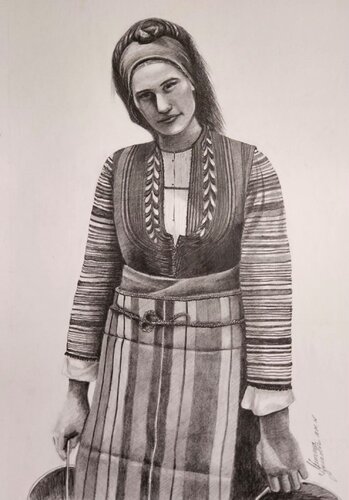
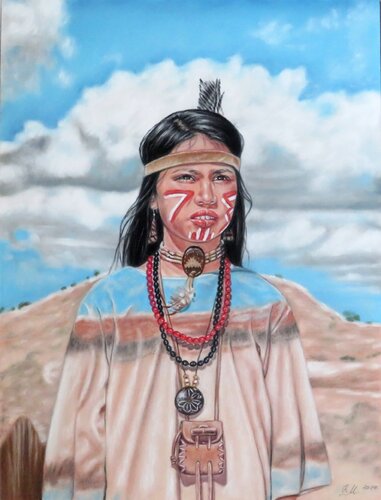
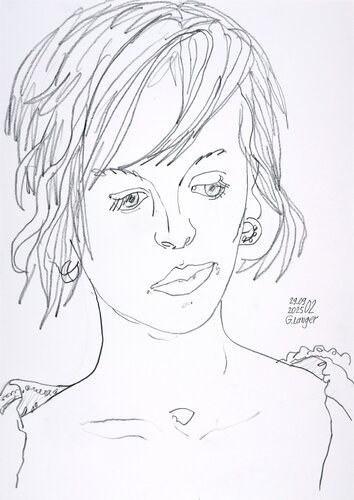
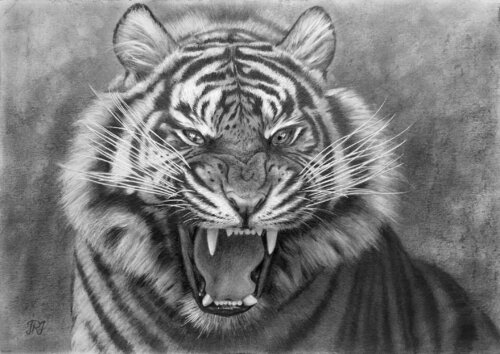
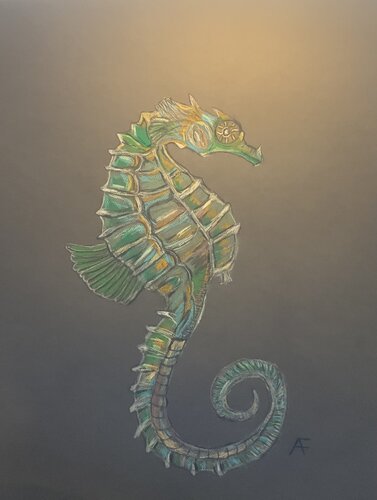
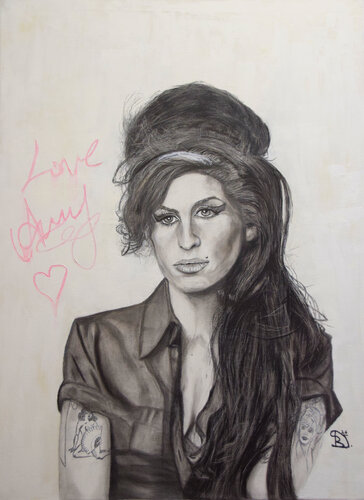
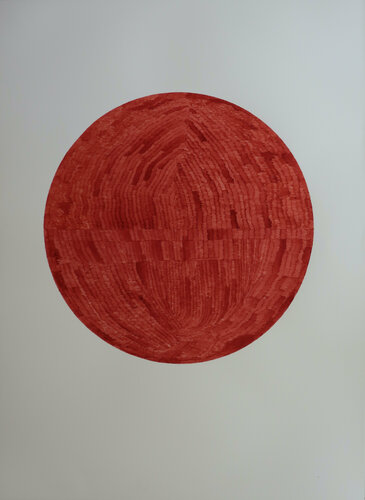
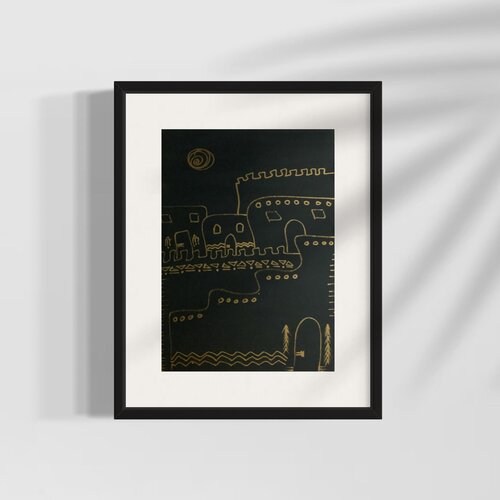
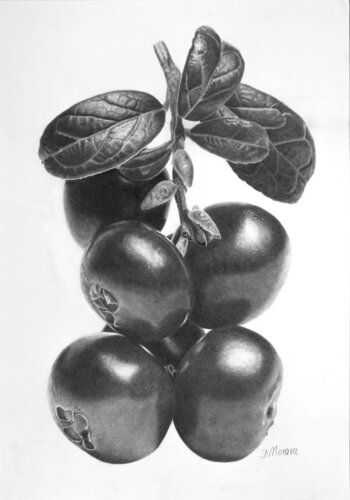
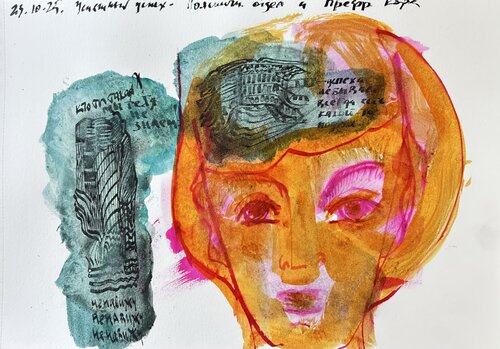
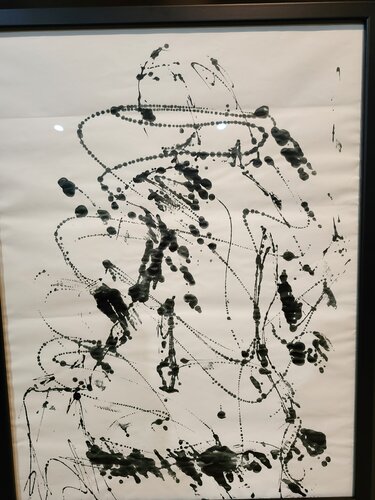
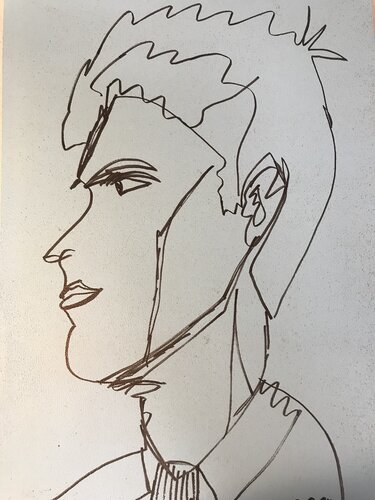
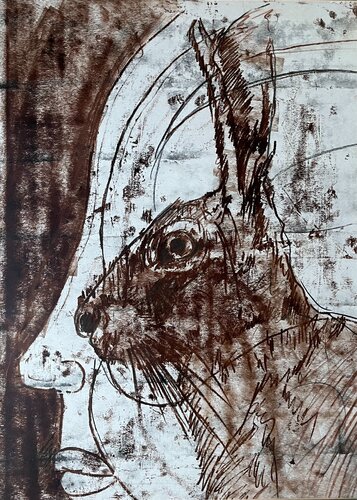
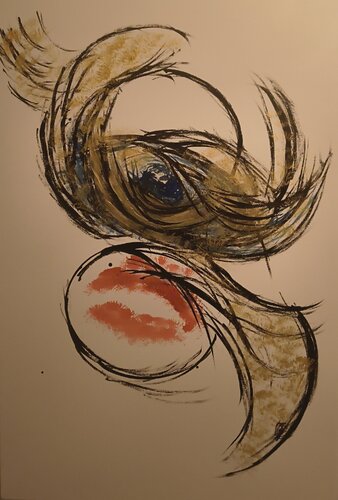
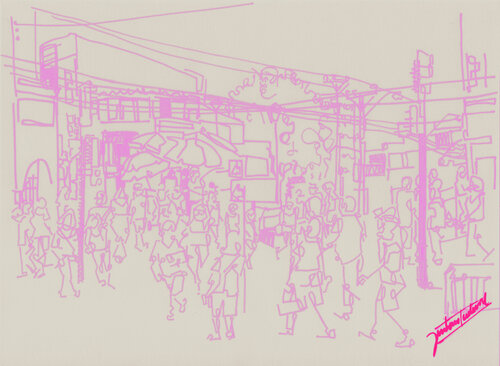
Drawing is an artistic genre consisting of two-dimensional representations of objects, characters or animals, with linear shapes and contours. Drawing is one of the oldest art forms, which can be traced back to the Paleolithic period to Egypt or ancient Greece. Drawing gained great importance during the Renaissance: it was seen as the necessary precondition for the creation of any work of art, painting, sculpture or architecture. In texts written during this period, drawing had a fundamental role and for the first time artists were drawing with perspective . In the 17th century drawing is viewed as a privileged means of study for apprentices, who from the beginning of their apprenticeship would have to practice drawing of the nude figure or anatomical drawing. If the sketch was not valued for a piece in its own right, they were kept as sketches for paintings at the time, and drawing sketches gained autonomy in the nineteenth century where it was considered as a true work of art. Modern artists used drawing extensively during the 20th century; Gouache drawings or the watercolor drawings of Picasso or Matisse are still considered as true masterpieces.
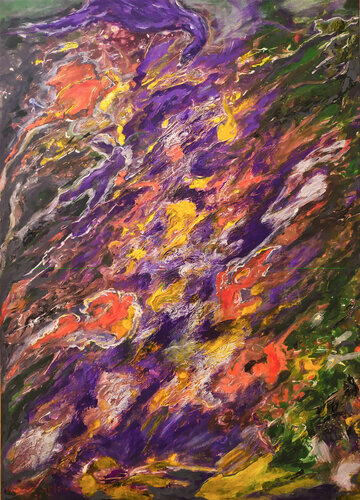
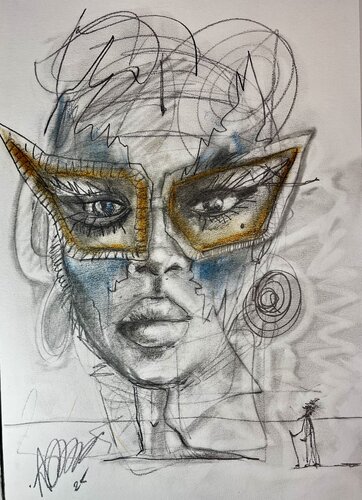
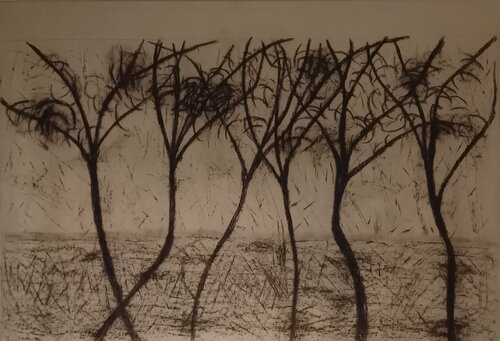
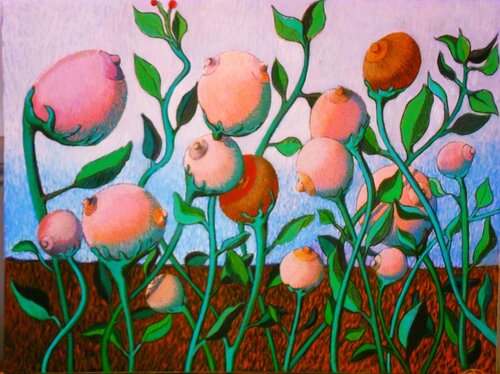
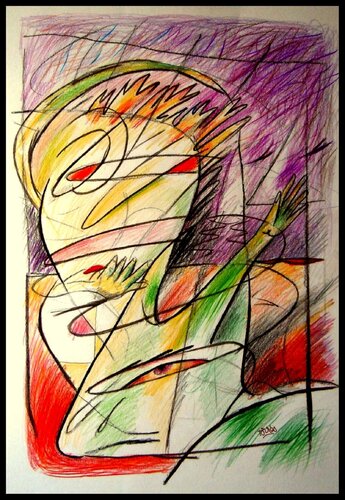
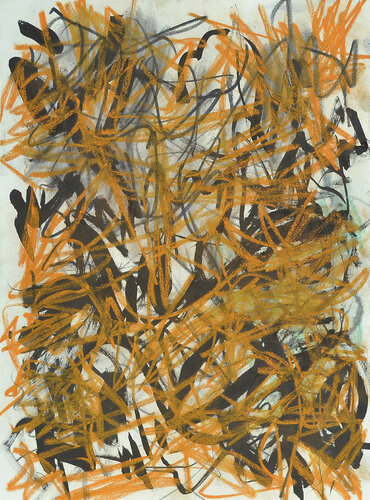
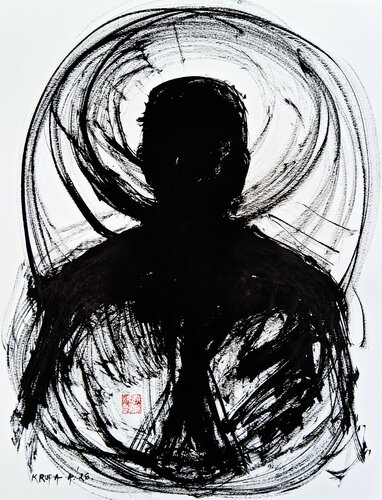
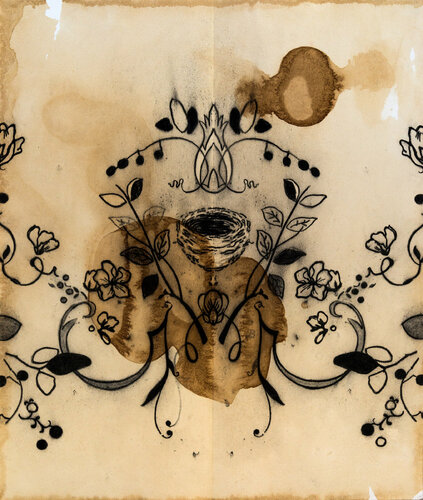
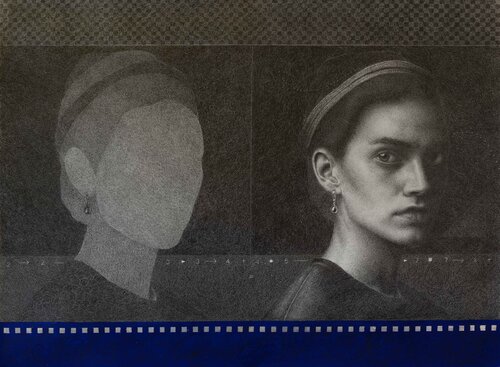
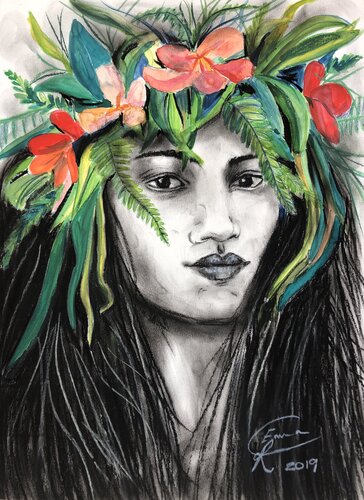
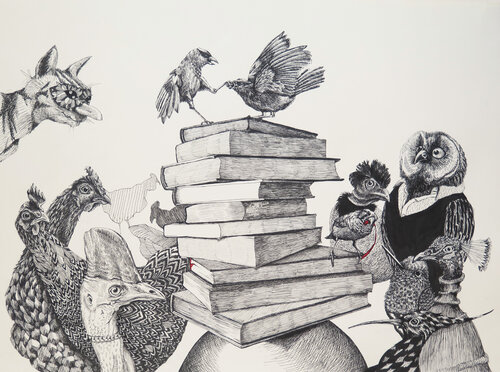
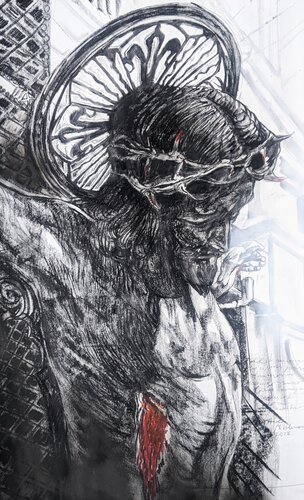
On SINGULART you will discover a wide variety of modern and contemporary drawings . Our contemporary artists use all the artistic potentials that drawing allows, using many different techniques. Discover drawings on paper dreamlike and poetic, mixing pencil drawing, watercolor and India ink. The Italian, Stefano Mazzolini designs strange portraits created with charcoal drawing, inspired by surrealist painting. The talented Ewa Hauton offers a unique style of black and white drawing with a splash of bright color. Come and discover contemporary pencil drawing, charcoal or watercolors that will inspire you, on SINGULART.

Latest finds, editor’s choice, VIP perks.

For an exclusive look at the latest works by , leave your email address here!