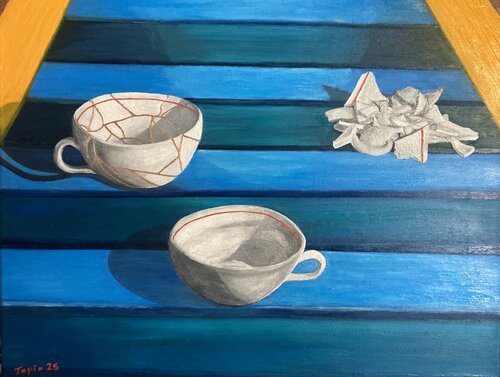
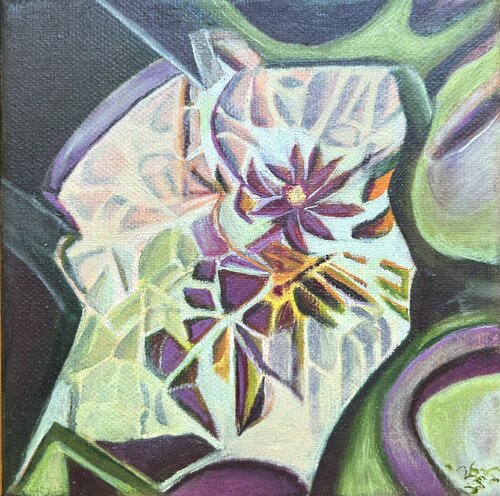
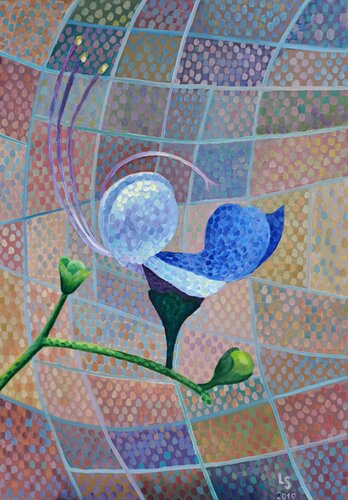
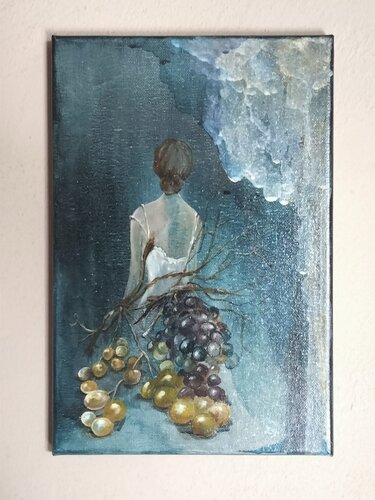
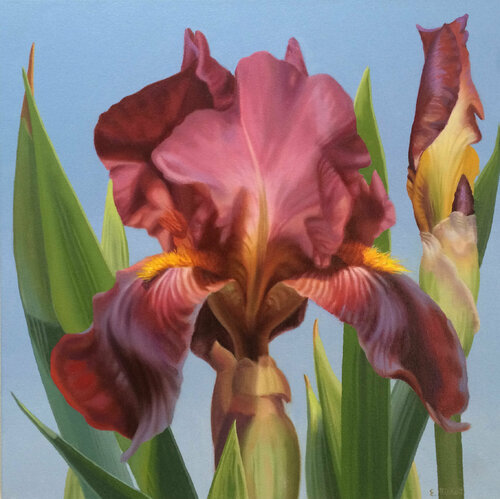
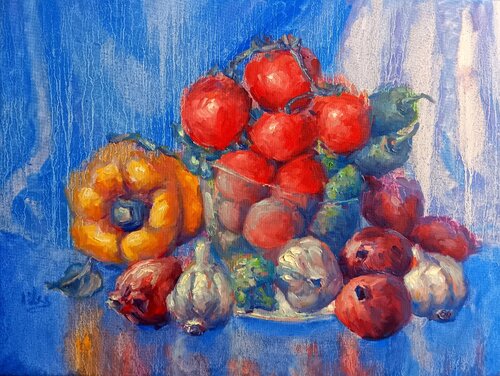
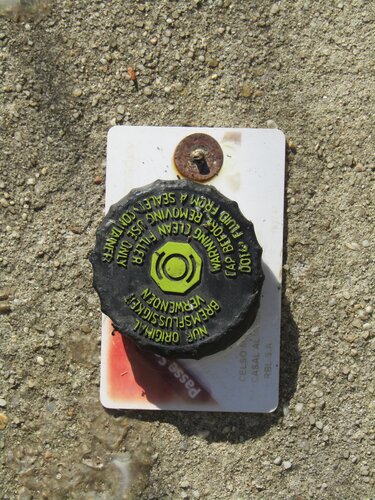
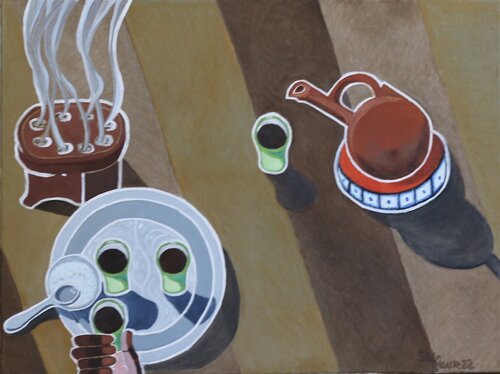
The art of still life painting dates back to the Greco-Roman period; it is illustrated by the fragments of the frescoes remaining in Pompeii. Nevertheless, still life as a large and diverse category appeared in Italy during the Renaissance, where artists painted objects as realistically as possible in the sense of calling attention to death and materialism.
Thriving in the 17th century, it was seen most prominently in the Netherlands or Holland during the Dutch Golden Age. Still life painting was popularized by painters such as
Pieter Claesz and
Willem Kalf who used it to depict the aesthetic value of objects as well as the unveiling of other hidden meanings through carefully painted stilled life of fruits, flowers, and household objects. This work not only demonstrated the masters’ ability to depict texture and light peculiarity but also responded to the social and economic realities of the era, commenting on consumption, wealth, and the transience of life.
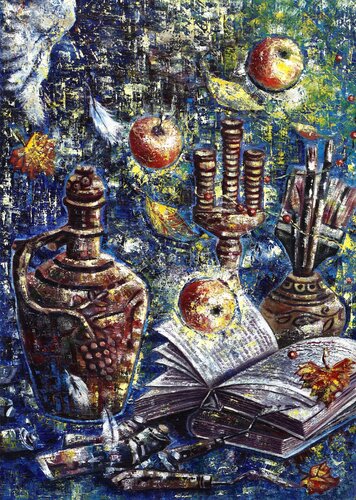
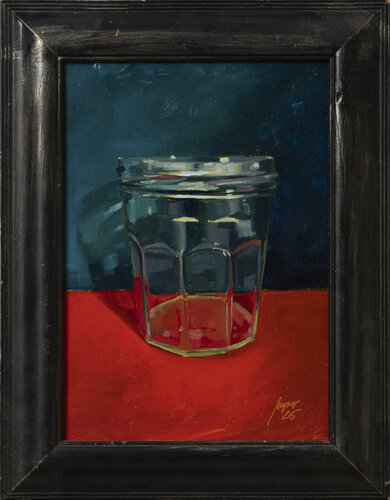
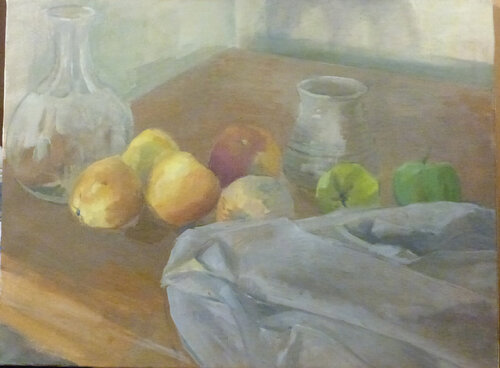
Still life paintings are works of art that generally portray non-living objects that are placed in a certain way usually with some meaning. These objects can be flowers, fruits, shells, glasses, books, vases, and many other objects. These items are also not placed just anywhere; they are well-selected and well-placed for meaning or symbolic purposes.
Still life is utilized by artists to depict the texture, shape, and positioning of objects with references to light and shadow. This genre enables reflection on the commonplace, turning objects into objects of beauty. It also allows us to discuss more global topics, for example, the transience of life, which is depicted by withered flowers and spoiled food, time, and the contrast between nature and the artificial. Although still life painting began in antiquity, the genre progressed throughout the centuries and remains an important aspect of art history and production.
The paintings of still lives have interested audiences and artists thanks to their elaborate features and hidden meanings. Some notable still life paintings include:
- "Basket of Fruit" by Caravaggio (c. 1599) – This piece of art originated from the Baroque period and shows a basket of fruits on the verge of tumbling over. It is famous for its precisely painted skin surface and the imagery of mortality symbolizing the vanity of life.
- "Sunflowers" by Vincent van Gogh in 1888. This series depicts sunflowers in their various stages of growth; the painting utilizes heavy-handed colors and texture to express pain and decay in its highest form.
- "The Great Piece of Turf" by Albrecht Dürer in 1503 – This watercolor painting depicts a small piece of turf, and through the closest observation and the perfect technique, the German master turns a trivial object into art.
These masterpieces are not only a display of the craftsmanship of the artists but also their philosophical and aesthetical contemplation, thus still life remains a complex category in art. You'll be able to find more still paintings either by the mentioned famous artists or contemporary artists on Singulart!
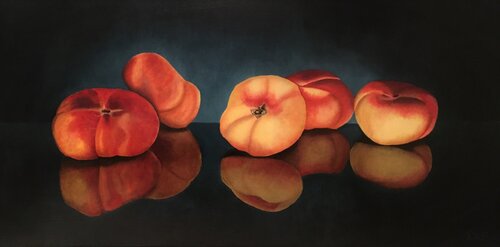

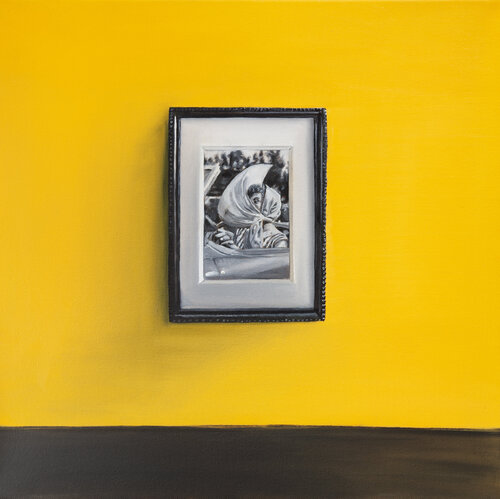






























![CHINESE VASE WITH SHELL [17.7" x 23.6"] by Jemal (Džemal) Gugunava, Painting for Sale on Singulart](https://www.singulart.com/images/artworks/v2/cropped/79499/main/base/2469041_eee7a65eaa31b367b44cd9cd34959756.jpeg)