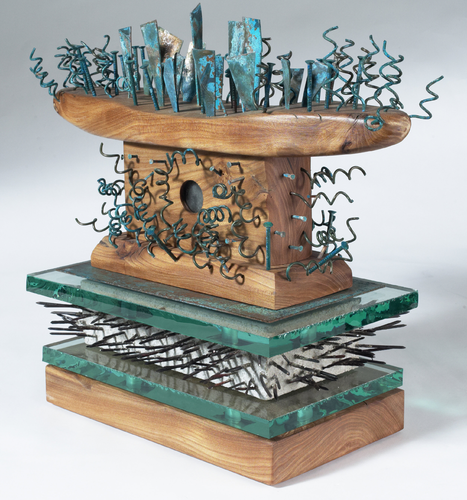
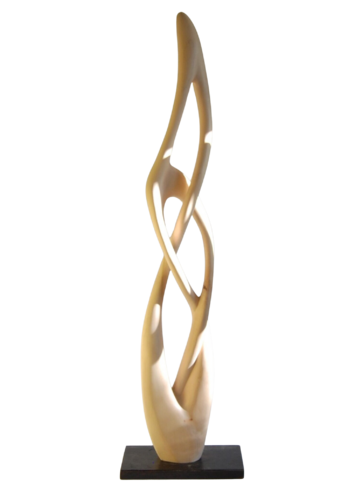
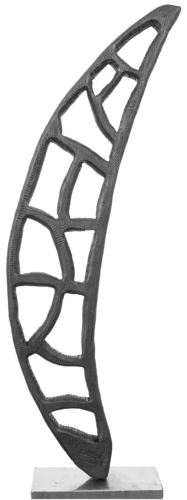
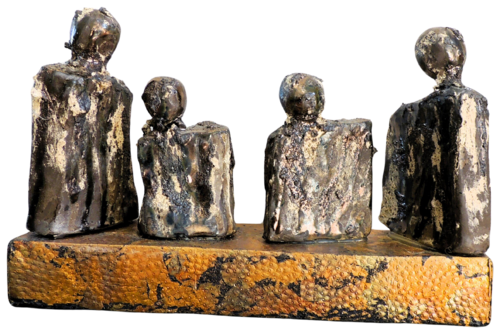
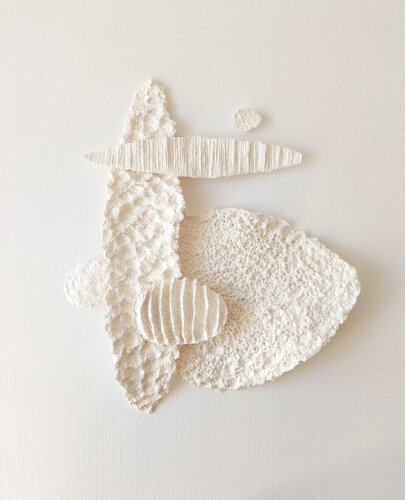
Sculpture is an art that employs many materials, each one selected because of its characteristics and the kind of impact it produces when in the hands of artists.
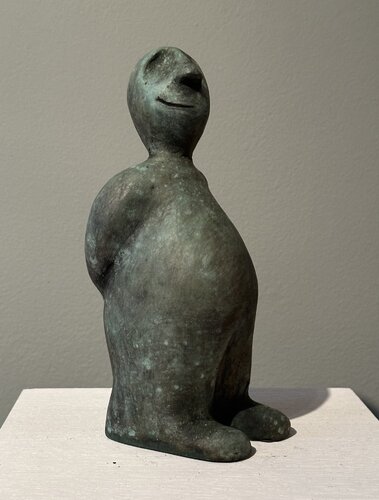
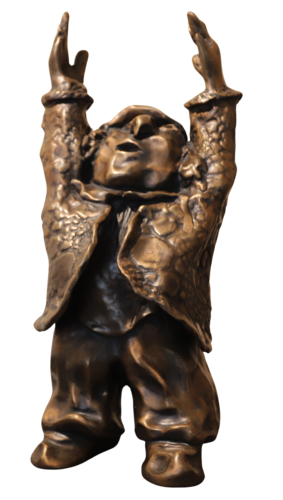
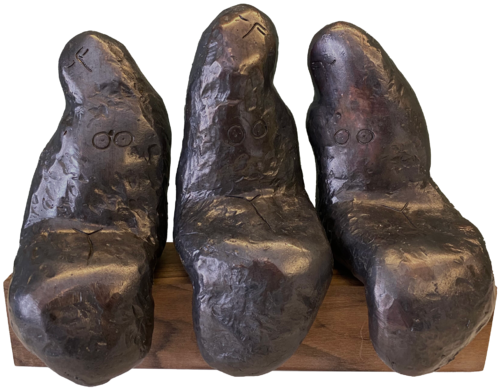
- Bronze: Trusted in its strength and longevity properties, bronze has been a medium of choice for many centuries. It permits intricate carving and also the development of an elegant surface finish that slowly transforms with use. Some examples include Rodin's “The Thinker ”.
- Marble: Admired for its aesthetics and ductility, marble has been a popular material for sculptures of Greco-Roman eras. It can provide a smooth finish that brings out gradations of form and light endemic in works such as Michelangelo’s “David.
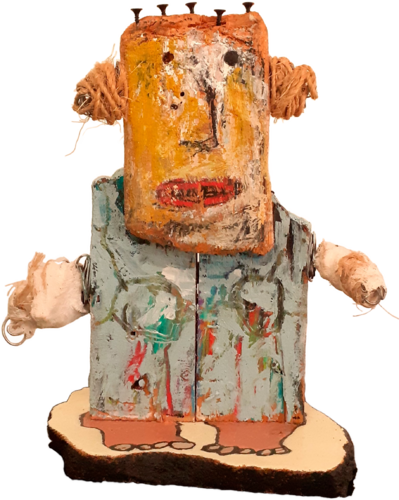
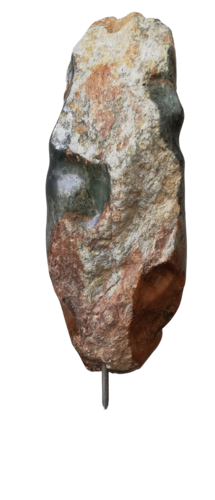
- Wood: This material is rather warm, and its texture depends on the type of wood; rowan tree wood, for example, is coarse. It is especially common in tribal and folk art, as well as contemporarily well-known artists such as Henry Moore.
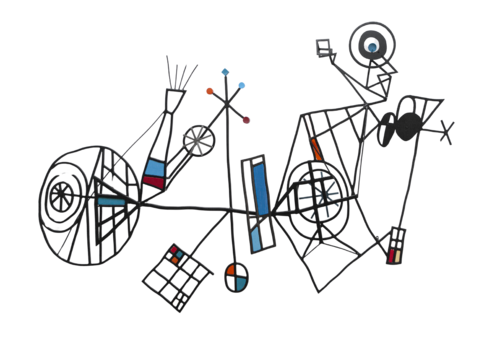
- Steel: Today steel is the most popular material for sculpture owing to its industrial properties and variety of available types. It can be welded, cut, and molded into large-scale, mostly outdoor sculptures that could bear the weather conditions, which has been exemplified by Richard Serra.
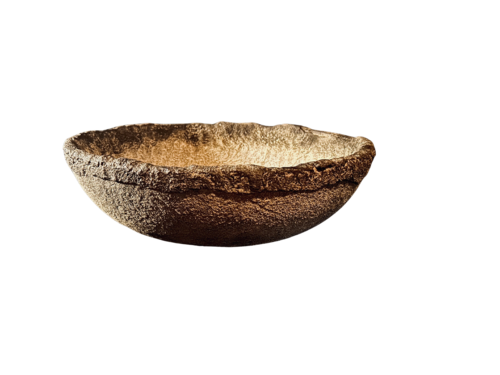
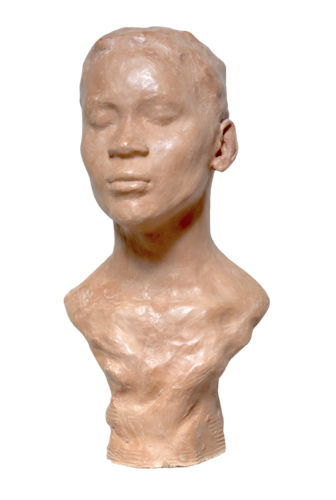
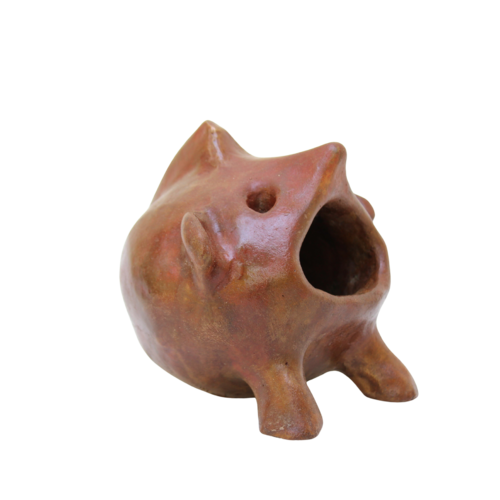
- Clay: Being one of the earliest known sculpting media, clay can be used for modelling relatively small figures and intricate models to be then reproduced from them. It is also applied in ceramic art in which it is fired to produce a harder surface, works by Peter Voulkos.
These materials have been selected in history based on their physical characteristics as well as the emotion and artistic inclinations of individuals determining the outcome and history of sculptural art.
For outdoor sculptures, the best material is considered to be
bronze as it is very durable and can resist the destructive effect of weather conditions as well. Bronze artifacts are resistant to climatic conditions such as rain, snow, and sunlight and rarely get blown away. This durability makes bronze well-suited for use in locations such as parks or gardens and artworks exposed to the open air.
It also has the advantage of forming its natural patina after some time and this is one of the reasons it is often used to make sculptures that are to be placed outside. This layer serves to preserve the sculpture and also contributes to its appealing appearance as well as its durability. The formation of oxides between bronze and oxygen and the formation of patina when exposed to moist air leads to the formation of warm and earthy tones that can enrich the sculpture.
Moreover, due to its flexibility, artists can depict difficult patterns and details and such work will have further relief as it decays. Some of the most common examples include
Auguste Rodin’s “The Thinker” which has been made using bronze and placed in outdoor settings and Frederic Auguste Bartholdi’s Statue of Liberty.
Sculpture as one of the types of fine arts has initiated many masterpieces that not only represent art but also are landmarks and cultural references.
The sculpture “David” by
Michelangelo is arguably one of the most famous sculptures globally, embodying the menace of Renaissance art that asserts the beauty of human duality. Sculpted from a single piece of marble, it remains one of Michelangelo’s most famous works due to its perfect form and sculpture.
Another important work of art is
Auguste Rodin’s sculpture called “The Thinker” which depicts profound thinking. Although technically conceived as a portion of a larger commission to design a doorway surround known as “The Gates of Hell,” “The Thinker” has evolved into an iconic representation of the activity of thinking.
Modern sculpture cannot be discussed without mentioning “
Maman” by
Louise Bourgeois which can be considered one of the most striking ones. This giant sculpture of a spider represents a mother figure and its frightening aspect is also attractive. Its large structure has been displayed in various art galleries and that is why it is categorized as modern architecture.
The sculpture referred to as Cloud Gate by
Anish Kapoor but famous as The Bean in Chicago’s millennium is a contemporary work of art. Made out of stainless steel and reflecting the sky and the city, its spherical shape gives the visitors mirror-like close-up images of the surrounding area and themselves.
These works, as individual as their shapes and meanings, remain popular and engaging, representing the versatility of the sculptural medium to convey people and general concepts.